Last updated November 18, 2026
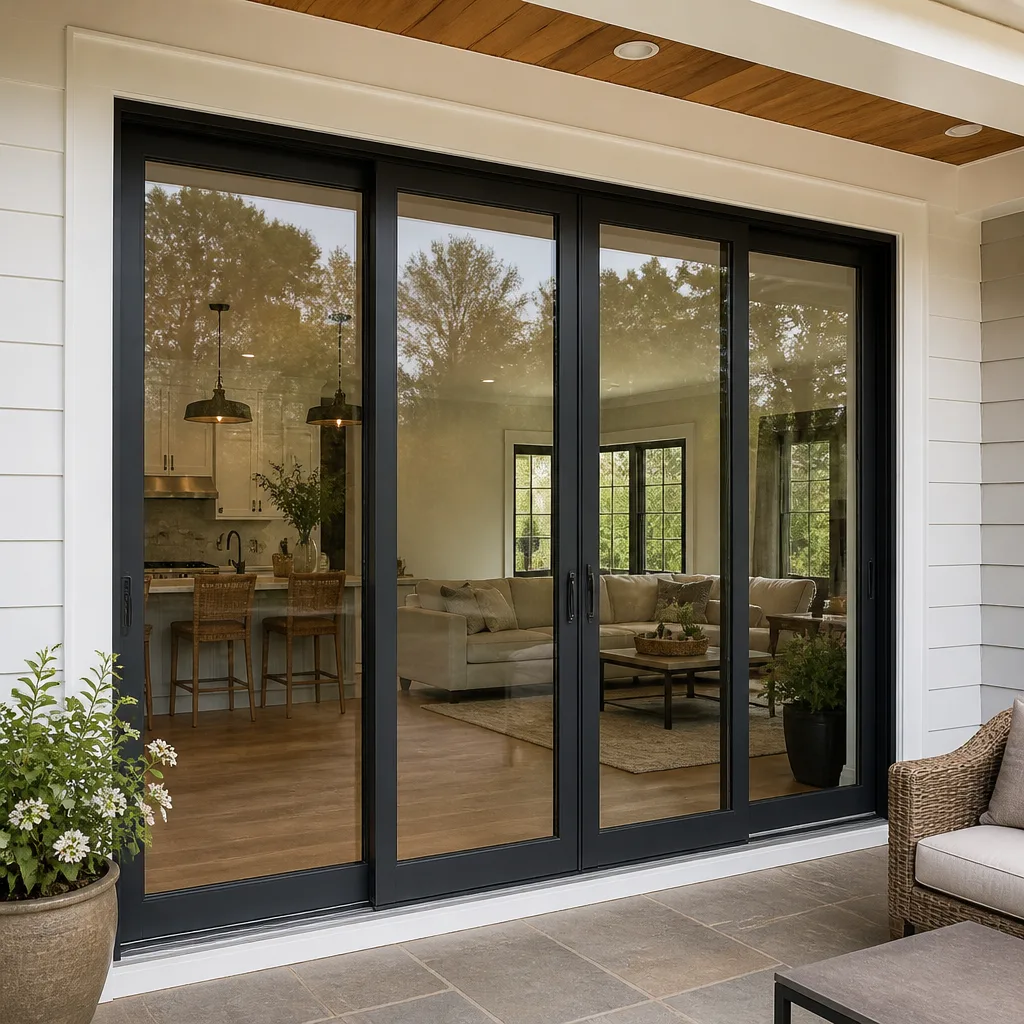 Sliding glass doors
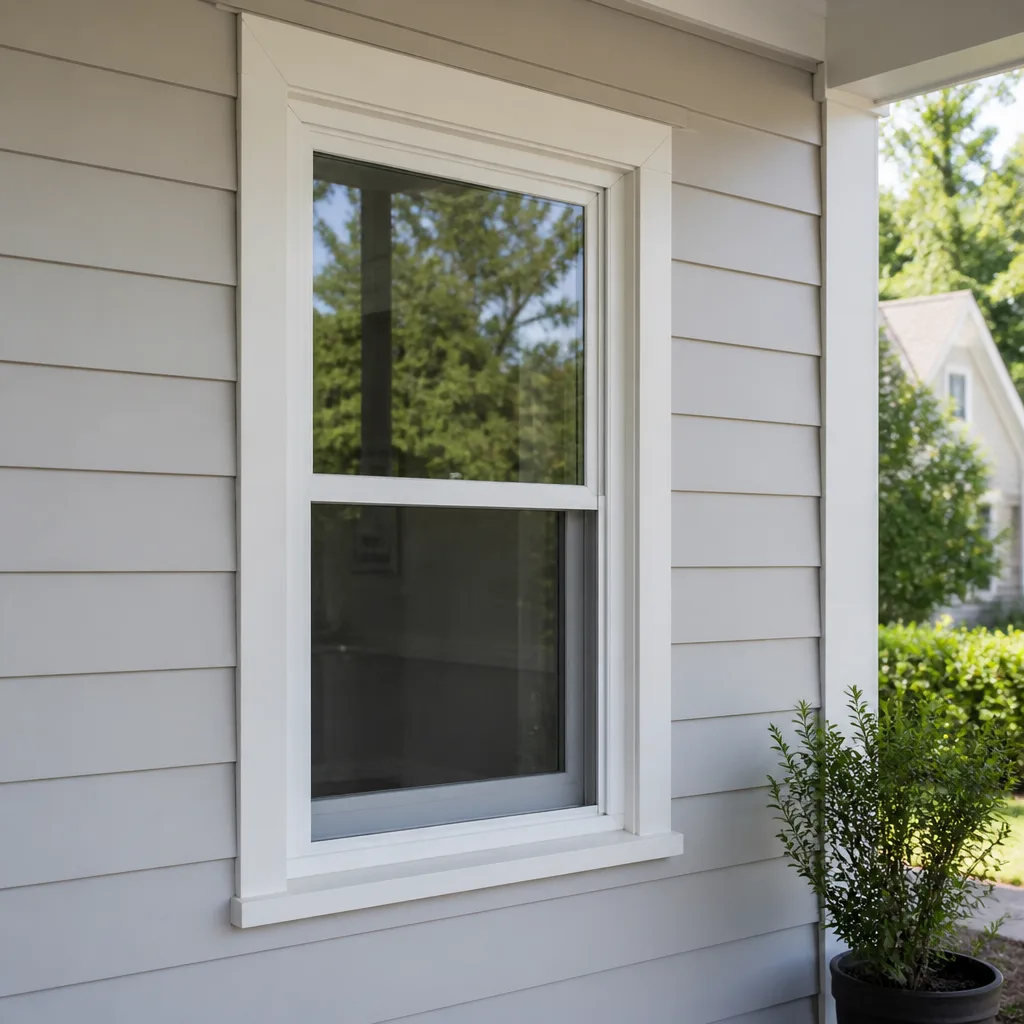 Single hung
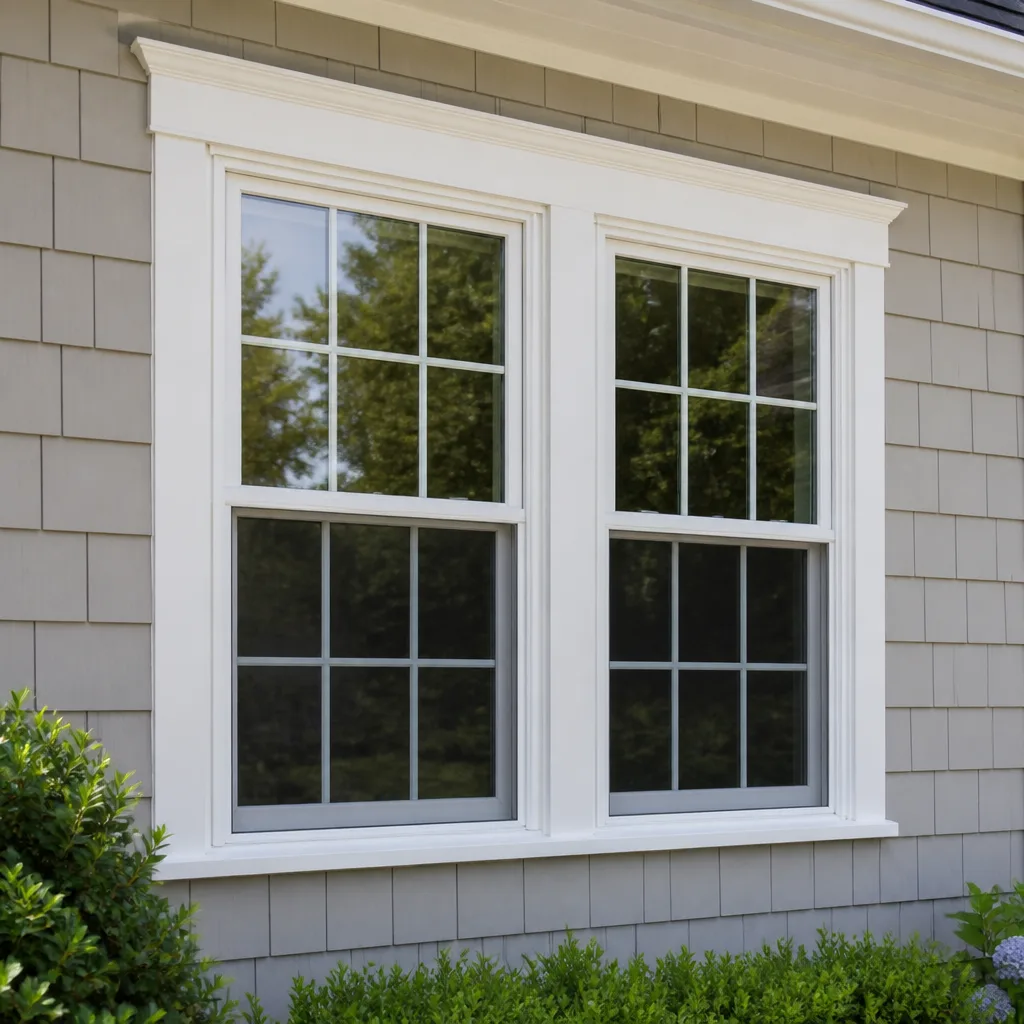 Double hung
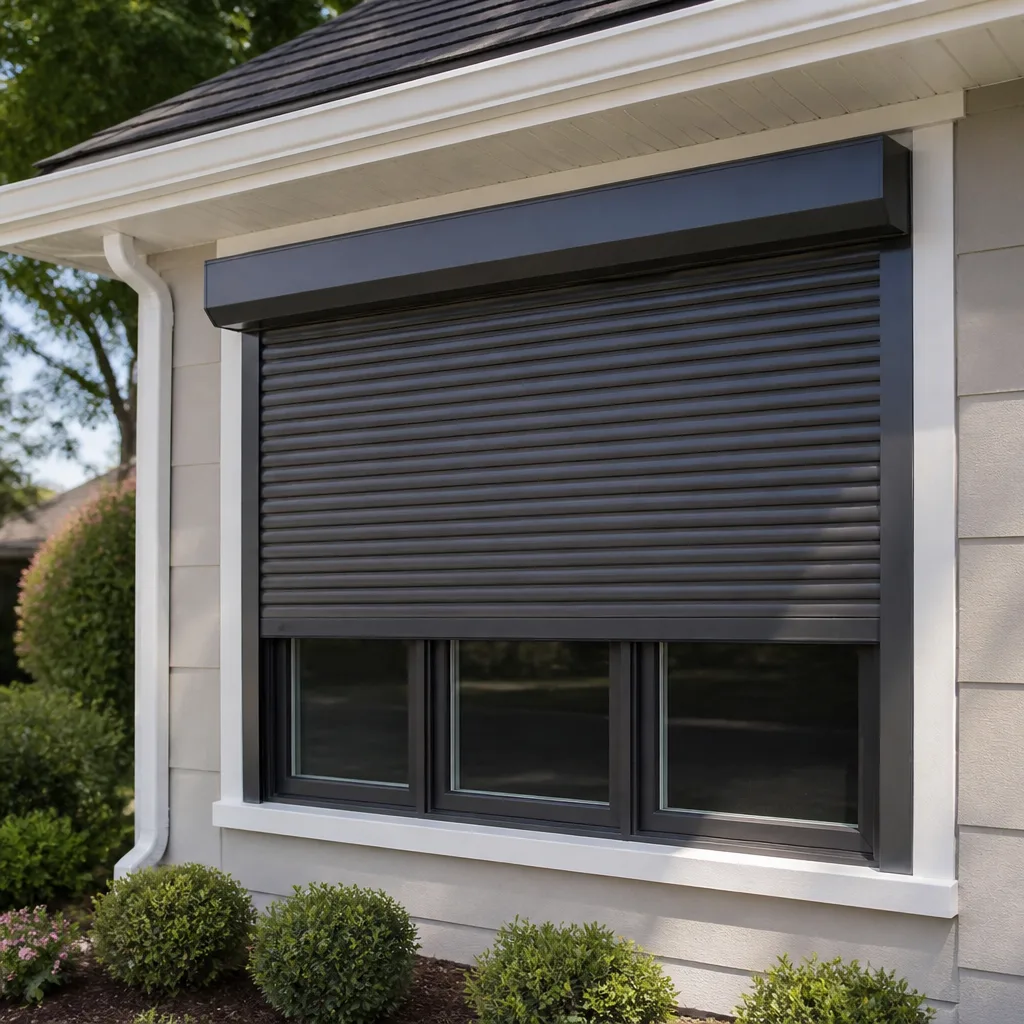 Horizontal roller
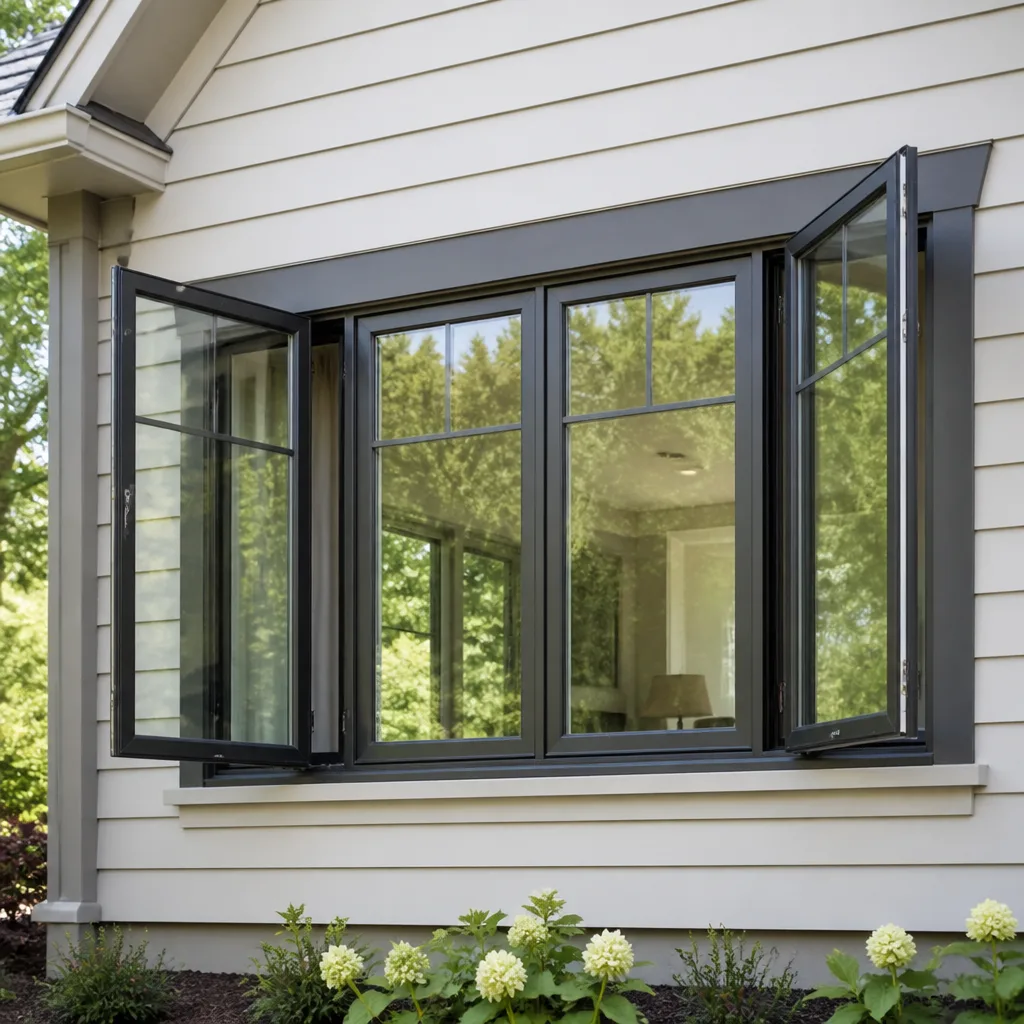 Casement
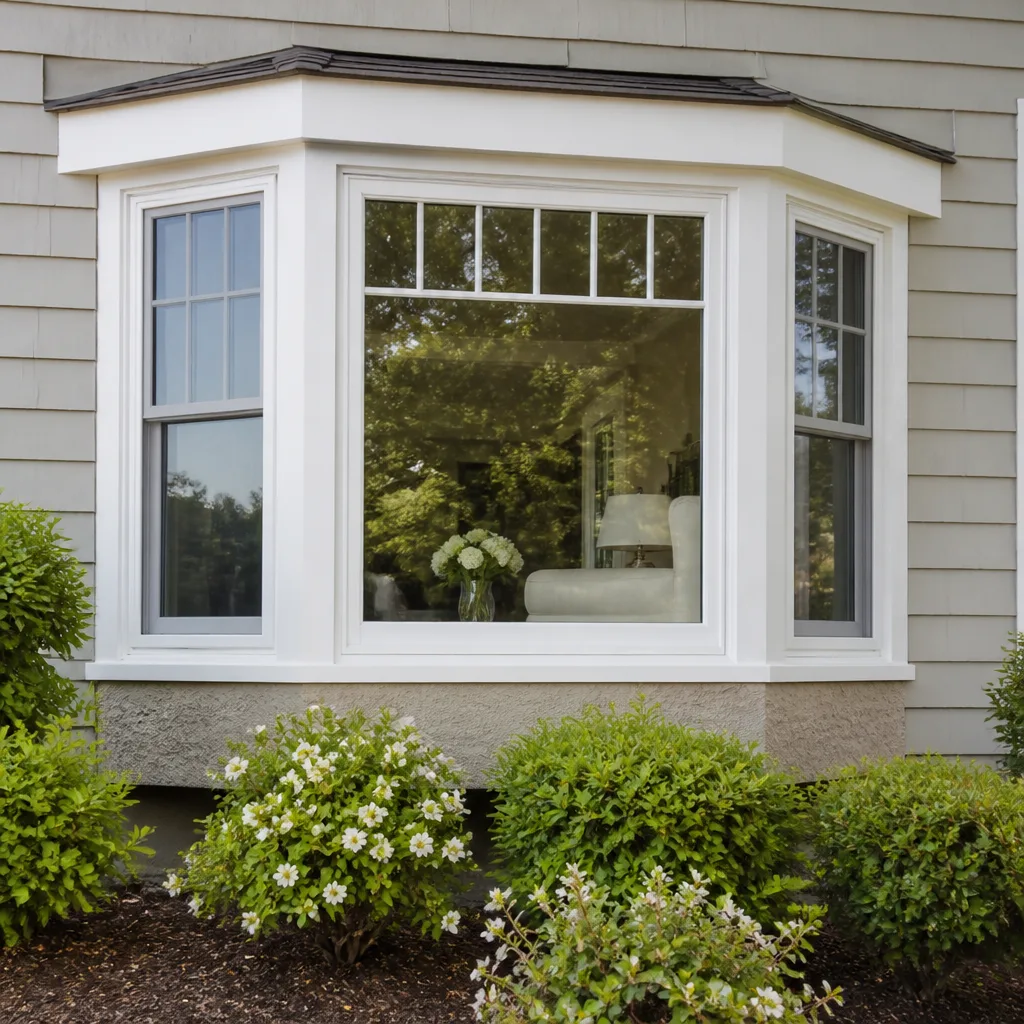 Bay & bow
 Entry doors
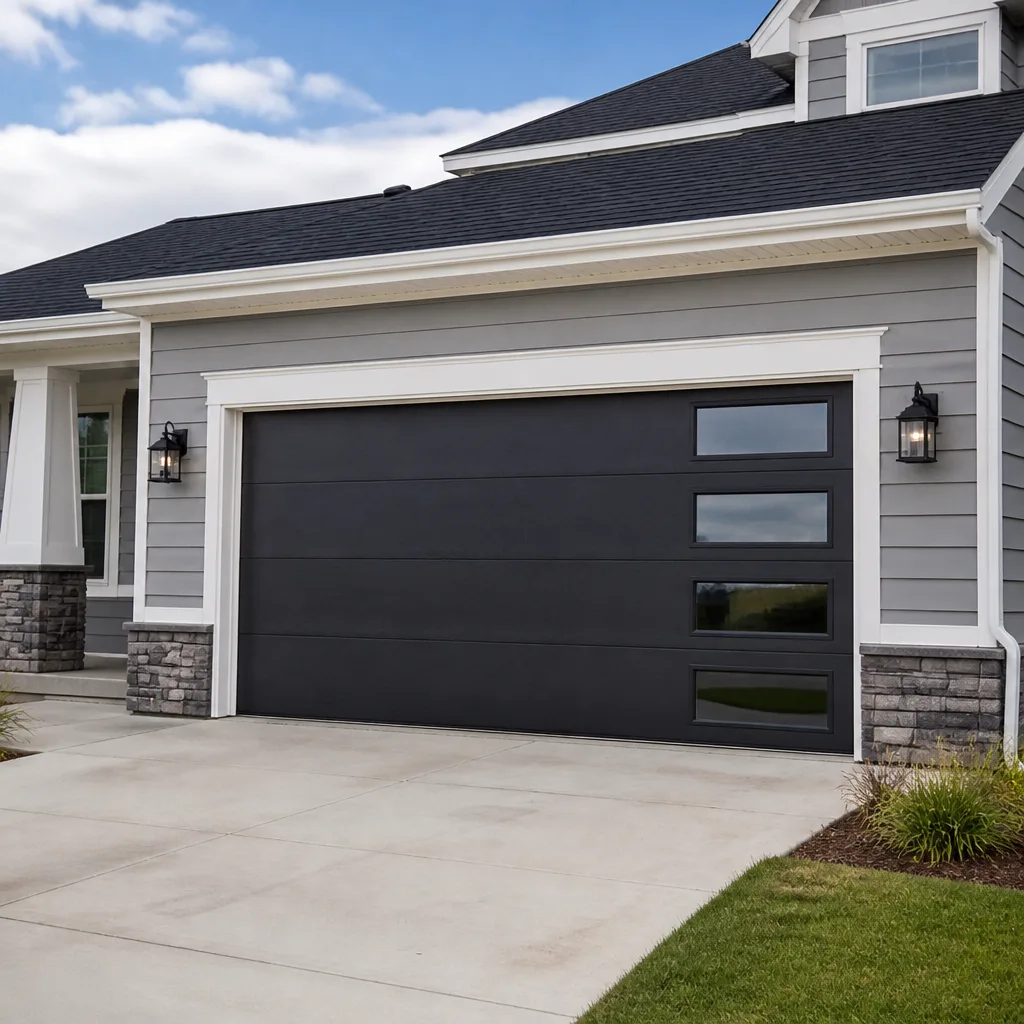 Impact garage doors
 PGT
 CGI
Free in-home measure and quote - PGT, CGI and CWS impact lines compared on your actual openings, style by style
Get your free estimateWindows & Doors Warning Signs: An Enterprise Homeowner’s Reference Guide
If you’re waiting to see water stains or mold before replacing your windows, you’re using a checklist written for Seattle. In Enterprise’s climate, the first signs of window failure are faded frames, sticky sashes, and a utility bill that keeps climbing – none of which look like emergencies until they are. Most homeowners in Enterprise treat these as cosmetic issues and defer them for years, past the point where repair is cost-effective. This guide explains how windows and doors actually fail in a hot, dry, high-UV environment, how to separate normal aging from structural failure, and how to triage each symptom into a clear monitor, repair, or replace decision.
Quick Answer
In Enterprise, window and door failure follows a desert-specific progression: UV degrades the frame first, then the thermal seal fails, then argon escapes and solar heat gain spikes – usually years before any visible water damage appears. The early signs are chalky or brittle frames, a sash that drags or sticks, and energy bills that climb steadily with no other explanation. If you catch these in the frame-degradation and seal-failure stages, you still have options; once heat gain shows up in your summer utility data, replacement is usually the practical answer.
Styles & brands we work with
- Single hung
- Double hung
- Horizontal roller
- Casement
- Bay & bow
- Sliding glass doors
- Entry doors
- Impact garage doors
- PGT
- CGI
Table of Contents
- How windows fail in a desert climate: the five-stage progression
- Cosmetic chalking or structural brittleness? The flex test
- Door warning signs in high heat: warp, threshold gaps, and lock misalignment
- Using your utility data to build a replacement case
- The severity-rating matrix: monitor, repair, replace soon, replace now
- Glass, seal, and condensation signals specific to dry climates
- Matching the replacement product to the failure you saw
- A simple annual inspection routine for Enterprise homes
How windows fail in a desert climate: the five-stage progression
In a wet climate, window failure is easy to spot because water finds its way in and leaves a mark. In Enterprise, the failure that matters comes from ultraviolet light and thermal cycling, and it happens quietly in a predictable sequence. Understanding that sequence is the single most useful thing you can do as a homeowner, because it tells you where a window is in its life and what to do about it.
- UV frame degradation. The sun breaks down the surface chemistry of vinyl, wood, and finish coatings. You see chalking (a powdery film that wipes off white), fading, or color shift on the sun-facing side of the frame. At this stage the window still works, but the material is weakening.
- Thermal seal failure. The seal that holds the insulated glass unit together starts to give way after years of daily expansion and contraction. You begin to see a hazy film between the panes, or a wavy, distorted look to the glass at certain angles.
- Argon gas loss. Once the seal is compromised, the insulating gas between the panes slowly escapes and is replaced by ordinary air. This is invisible – there is no visual cue – which is why the utility bill becomes your only reliable signal.
- Solar heat gain spike. With the gas gone and the coating degraded, the window that once blocked a meaningful share of the sun’s heat starts letting it through. Interior rooms near that window get noticeably hotter in the afternoon.
- HVAC overload. The system works harder and runs longer to hold the thermostat where it used to sit easily. The bill climbs, the unit wears faster, and the house feels uneven from room to room.
What makes this progression deceptive in Enterprise is that stages two and three produce almost no visible signal on the interior side. A homeowner who inspects for drafts by hand on a mild morning may feel nothing unusual, because the failure is happening on the heat side, not the air-infiltration side. That is why we recommend tracking your summer bills alongside a physical inspection rather than relying on feel alone.
Cosmetic chalking or structural brittleness? The flex test
Chalking on a vinyl frame is normal. Vinyl oxidizes on its surface over time, and a light powdery film that wipes away is the cosmetic version of a sunburn – it looks bad but the material underneath is still sound. Structural brittleness is a different thing entirely, and it is your real replacement trigger. The challenge is that both show up on the same window, often on the same frame, and they look similar at a glance.
Here’s a simple way to tell them apart without tools.
- Press a thumbnail into the frame at the sun-facing corner. Sound vinyl resists and springs back. Brittle vinyl takes a dent that doesn’t recover, or feels hard and glassy rather than firm.
- Try a gentle flex. With the window open, apply light pressure to the middle of the frame’s vertical section. A healthy frame stays rigid. If you feel any give, or hear creaking, the material has lost its structural integrity.
- Look at the corners. Mildew-resistant welds at the corners should be tight and uniform. Small cracks radiating from the weld, or a visible gap, are a failure signal that no amount of cleaning will fix.
- Check for warping. Lay a straightedge (a level, a piece of trim) along the frame’s face. A gap larger than a credit card’s thickness anywhere along the length means the frame has moved.
What you do with the result depends on which stage you’re at. A window that fails the flex test but still seals and still holds its glass is a replace-soon case, not an emergency – you have time to plan. A window that fails the flex test and has a compromised seal is a replace-now case, because the frame is no longer holding the insulated unit in proper alignment. And a window that only chalks, with a rigid frame and intact glass, is a monitor case; a good exterior clean and possibly a UV-blocking paint or film can buy it years. If your inspector’s report is uncertain, that’s the moment to call a specialist who works with windows every day rather than a generalist who handles them occasionally; this is what Enterprise Windows & Doors does exclusively.
Door warning signs in high heat: warp, threshold gaps, and lock misalignment
Doors take the desert climate harder than windows in one sense: they’re typically larger, they move under load, and the frame is anchored into a wall that itself moves with temperature. A door that worked perfectly in spring can drag, stick, or fail to latch by midsummer. Homeowners often blame the hardware, when the real cause is thermal expansion and a frame that has begun to warp.
These are the door warning signs that matter most in Enterprise, and what each one means.
- Frame warp. Look down the door’s leading edge (the side opposite the hinges) from waist height. If it bows toward or away from you by more than a quarter inch across its height, the door or its jambs have warped. A slight bow that seals when you press the door closed is a monitor case; a bow you can see with the door shut is a replace-soon signal.
- Threshold gap. Slide a piece of paper, or a coin, under the door at the threshold when it’s closed. A gap wide enough to let light through along the bottom is normal; a gap that varies significantly from one side to the other means the door isn’t sitting square in its frame, which is a thermal expansion symptom. An inconsistent threshold gap also defeats the weatherstripping and lets hot exterior air into the house.
- Lock misalignment. When the deadbolt or latch no longer drops cleanly into its strike plate without lifting or pushing the door, the door has moved relative to its frame. Some of this is seasonal and corrects itself when temperatures fall – a lock that hangs up only in the hottest weeks is a monitor case. A lock that hangs up year-round is a replace-soon signal.
- Weatherstripping compression. Run your hand along the closed door’s edge on a hot afternoon. Warm air leaking past the weatherstrip is a sign the seal has failed, even if the strip looks fine. This is cheap to fix and worth fixing early, before it lets in dust.
- Enamel or paint cracking along stiles. Vertical cracks at the joints between stiles and rails on a painted door indicate wood movement in the face of UV and heat. Left alone, they let in moisture during the rare rain and rot the surface. A small crack is repair; a network of cracks is replacement.
Because doors and windows fail for the same underlying reasons in this climate, having them handled under the same conversation is genuinely useful. A specialty installer working with a small set of trusted brands can explain the difference between how a wood door, a fiberglass door, and a steel door each handle the desert sun – which is why we keep both windows and doors in scope.
Using your utility data to build a replacement case
The single most underused tool for evaluating window and door performance is the utility bill history you already have. If you’re in Enterprise, your cooling-driven bill is an unusually clean signal: cold months are mild here, so your annual bill is dominated by summer cooling load, which is exactly what failing windows and doors make worse. Pull your last twelve months of bills and look for the pattern.
- Compare the same month year over year. A single hot July tells you nothing. A July bill that’s up 15 percent from the previous July, with no other change in your household, is a signal. Compare three years if your utility lets you, because the trend matters more than any single jump.
- Look at the shoulder seasons. If your October bill has climbed along with July, that’s a sign the problem isn’t just an HVAC load – it might be envelope performance (windows and doors) not doing their job.
- Map the bills to your home’s orientation. If your west- and south-facing rooms are the ones feeling hotter, and the bills track with the hottest stretches, the failing windows are likely on those sides. Note which ones you’d prioritize.
- Estimate the payback against the replacement cost. A new window carries a purchase price and eventually a payback period in energy savings. The weaker the existing window, the shorter the payback. Use your actual bill data to estimate the savings, not a marketing number.
- Factor in HVAC wear. A system that runs longer than it should is aging faster than its calendar indicates. The utility data doesn’t count that, but your HVAC technician can.
The point of this exercise is to have a real, personal number before you talk to a contractor. When you have specific data – “our July bill is up 22 percent from the July three years ago, and our HVAC was serviced in the spring” – any good window specialist will use that to help you match the right product. This is where window replacement conversations become concrete rather than abstract, because you’re making a decision based on your own home’s behavior, not a sales pitch.
The severity-rating matrix: monitor, repair, replace soon, replace now
The biggest mistake homeowners make with window and door warning signs is treating every symptom as equally urgent – or, worse, treating none of them as urgent until something breaks. This matrix turns observation into action. Use it as a triage tool: find the symptom, check the stage, decide what to do next.
- Chalky surface on vinyl frame (wipes off). Monitor. Clean and apply a UV-blocking coating or film. Re-check the flex test annually.
- Faded color, no flex-test failure. Monitor. Cosmetic, not structural – no action needed.
- Flex-test failure, no seal failure, no seal compromise. Replace soon. Plan for replacement within the next year or two; understand this window will not survive another decade.
- Hazy or wavy glass between panes. Repair (reseal, if the unit is resealable) or replace soon (if it isn’t).
- Visible moisture or fog between panes (rare in Enterprise). Replace soon. The hermetic seal is gone; the unit’s insulating value is gone with it.
- Room noticeably hotter in afternoon, no AC change. Replace soon if windows are 15+ years old; repair (reseal, weatherstrip, shade) if newer.
- Utility bill climbing with no other explanation. Replace soon, quantified with the utility-data exercise above.
- Draft or heat leak at weatherstripping. Repair. Weatherstrip and seal are simple fixes that buy real performance.
- Frame separation or cracks at corner welds. Replace now. The frame is no longer holding the window together.
- Door frame warp, visible with the door closed. Replace soon. Plan within the year.
- Lock misalignment year-round, not just in summer. Replace soon. The door has moved permanently relative to its frame.
- Glass cracked, broken, or badly chipped. Replace now (safety). A compromised pane can shatter unpredictably, especially in rapid temperature swings.
If a symptom lands on the boundary between two ratings, err toward the more conservative one. Enterprise’s climate is hard on building products; a window that would last ten years in a mild climate is on a shorter schedule here.
Glass, seal, and condensation signals specific to dry climates
Condensation is the classic window-failure sign in humid climates. In Enterprise, interior condensation is almost never the signal – our air is simply too dry for it, and a foggy window here usually means something else (an adjacent bathroom venting poorly, or a house plant too close to the glass). The dry-climate signals are different, and they’re the ones worth memorizing.
The insulated glass unit, or IGU, is the sealed sandwich of two panes with gas between them. Its seal is mechanical and chemical, and both degrade in intense sun. These are the signals that matter:
- Distortion. Look at the glass from a low angle in the early morning or late afternoon, with light behind it. A slight waviness or “funhouse mirror” look means the glass has physically deformed under heat stress.
- Haze between panes. Trapped moisture plus atmospheric dust produces a milky or hazy look that cleaning the exterior can’t fix. This is seal failure.
- Sputter or cloudiness in the reflective coating. Low-E and solar-control coatings can cloud as they degrade; if one glass surface has lost its reflective edge while others still have it, that coating is failing.
- Thermal fracturing. Hairline cracks originating at an edge, often after a cold night following a hot day. This is a replace-now situation regardless of age – the pane is compromised and will spread.
- Solar heat gain you can feel from inside. Stand a foot inside a closed window in the afternoon. If you feel warmth radiating from the glass itself, that window’s solar-blocking performance has dropped. This is often the first physical symptom of argon loss.
Single-pane windows, still common in older Enterprise homes, don’t have an IGU to fail – their “warning sign” is simply that they perform like single-pane windows. If your home still has original single-pane glass, it’s worth having a specialist look at whether an upgrade is worth the cost. For new construction rather than replacement, that conversation belongs in window installation planning, where the selection begins before the frames go in.
Matching the replacement product to the failure you saw
The most useful thing about window and door brands is that they solve different problems. Once you’ve diagnosed what failed at your house – and where in the progression it failed – you can talk to a specialist about the brand and product line that addresses that specific issue. Because we carry eight brands, we’re in the position of matching the product to your failure, not the other way around.
Here’s how that matching plays out in practice.
- If your failure was primarily UV and frame degradation and you’re looking for a vinyl product with better sun performance, brands like CWS and ECO Window Systems are worth a direct conversation about. ECO in particular tends to be the line we reach for when the project brief centers on efficiency.
- If your failure was solar heat gain and your priority is keeping summer load down, we look at glazing packages, low-E options, and solar-control coatings across the brands rather than defaulting to a single manufacturer.
- If your door has warped under the heat and you want something that handles sun better than a painted wood entry, Therma-Tru is the line we discuss first – its fiberglass systems are built around exactly the thermal issues that warp wood.
- If you’re retrofitting older single-pane glass on a budget and don’t want to redo the whole opening, Mr-Glass offers a practical path, especially for retrofits on solid frames.
The reason we can have this conversation honestly is that no single brand is right for every failure. A dealer who carries one brand will fit the project to that brand. A dealer carrying eight can look at your failing window and say, “This is a heat-gain failure; here are three lines that address it, and here’s why the cost/performance tradeoff differs between them.” That’s the service we set up around, and it’s why we focus on windows and doors exclusively rather than taking on other trades.
A simple annual inspection routine for Enterprise homes
The best inspection is the one you’ll actually do. Nothing in this guide requires special tools; a flashlight, a coin, a straightedge, and thirty minutes will cover every window and door in a typical house. Do it around the same time each year, ideally in early fall after the hottest months, when the evidence is fresh.
- Walk the exterior first. Look at the sun-facing side of the house. Chalking, fading, and cracked caulk lines are visible from the outside before they become interior problems.
- Test each window with the flex test. Light pressure on the frame; look for give. Note any window that gives or creaks.
- Inspect each IGU at an angle in low sunlight. Note any haze, waviness, or distortion.
- Operate every window and door. A sash that drags, a door that sticks, a lock that hangs – write it down with the room.
- Threshold-test every exterior door. Paper test at the bottom, hand test along the edges on a hot afternoon.
- Pull your bill history for the last twelve months. Note the same-month year-over-year comparisons.
- Triage everything through the severity matrix. You’ll walk away with a monitor list and a short list of windows or doors worth a phone call.
Even a careful annual inspection has limits. A technician with up to 11 years of experience can spot things that a homeowner might read as cosmetic – a small weld crack, a subtle IGU seal failure – and tell you what stage you’re actually at. Our team focuses exclusively on windows and doors; there’s no split attention. For homeowners in and around Enterprise, an expert inspection is a more reliable signal than a self-assessment, especially once a window or door is more than a decade old.
Common Mistakes to Avoid
- Waiting for water stains before taking action. In Enterprise, water intrusion is usually the last sign, not the first – by the time you see it, the window has been failing for years. Watch for UV and heat-gain signals instead.
- Treating chalking as a defect when it’s cosmetic. Chalky, powdery vinyl surface film wipes off and does not justify replacement if the frame passes the flex test. Cleaning and UV protection is the right response.
- Cleaning the inside of a hazy double-pane window. The haze between panes can’t be cleaned from either side – it’s inside the sealed unit. If cleaning the glass doesn’t change anything, the seal is gone.
- Blaming the lock for a door that won’t close. Year-round lock misalignment is a symptom of frame movement, not hardware wear. Replacing the lock hardware alone won’t fix the underlying problem.
- Ignoring the utility bill. Many homeowners treat cooling bills as a given, and miss the single clearest early signal of window failure. Pull the twelve-month history before you dismiss the bills.
- Replacing one window at a time as it fails. Piecemeal replacement is fine in some cases, but if several windows are on the same side of the house and the same age, they’re likely on the same failure schedule. Discuss the whole side of the house with a specialist.
- Letting a single-brand dealer frame the choice. A dealer limited to one brand will present that brand as the answer to every problem. Ask about alternatives – and if the dealer can’t name one, consider that when you decide.
See the difference
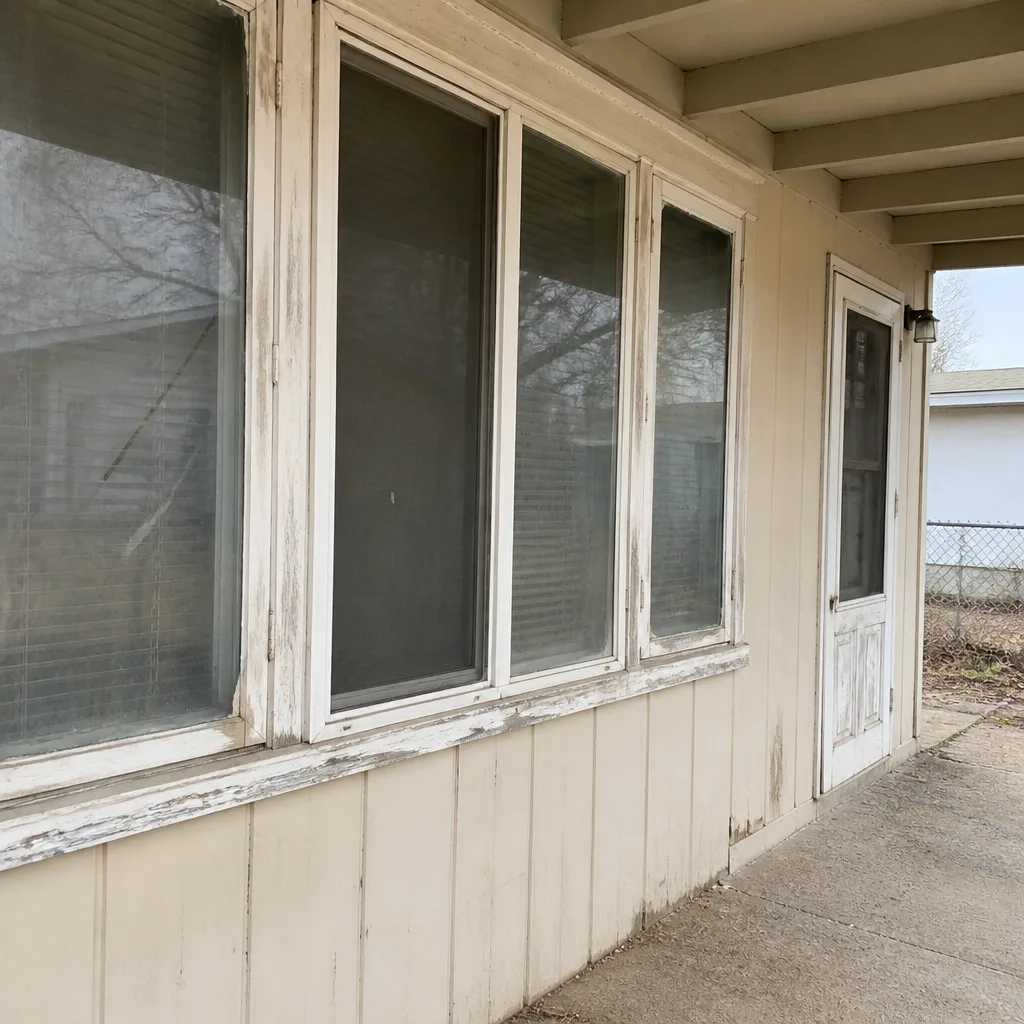 Before
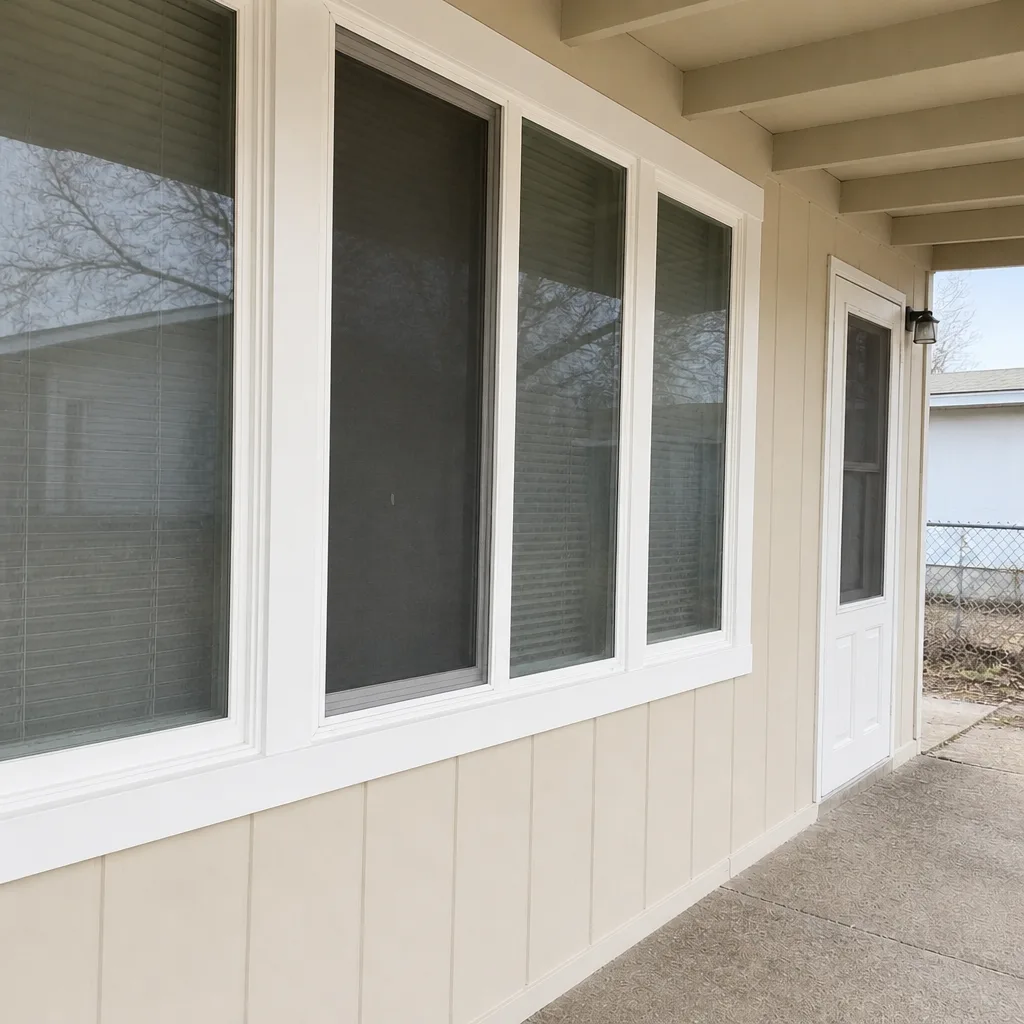 After
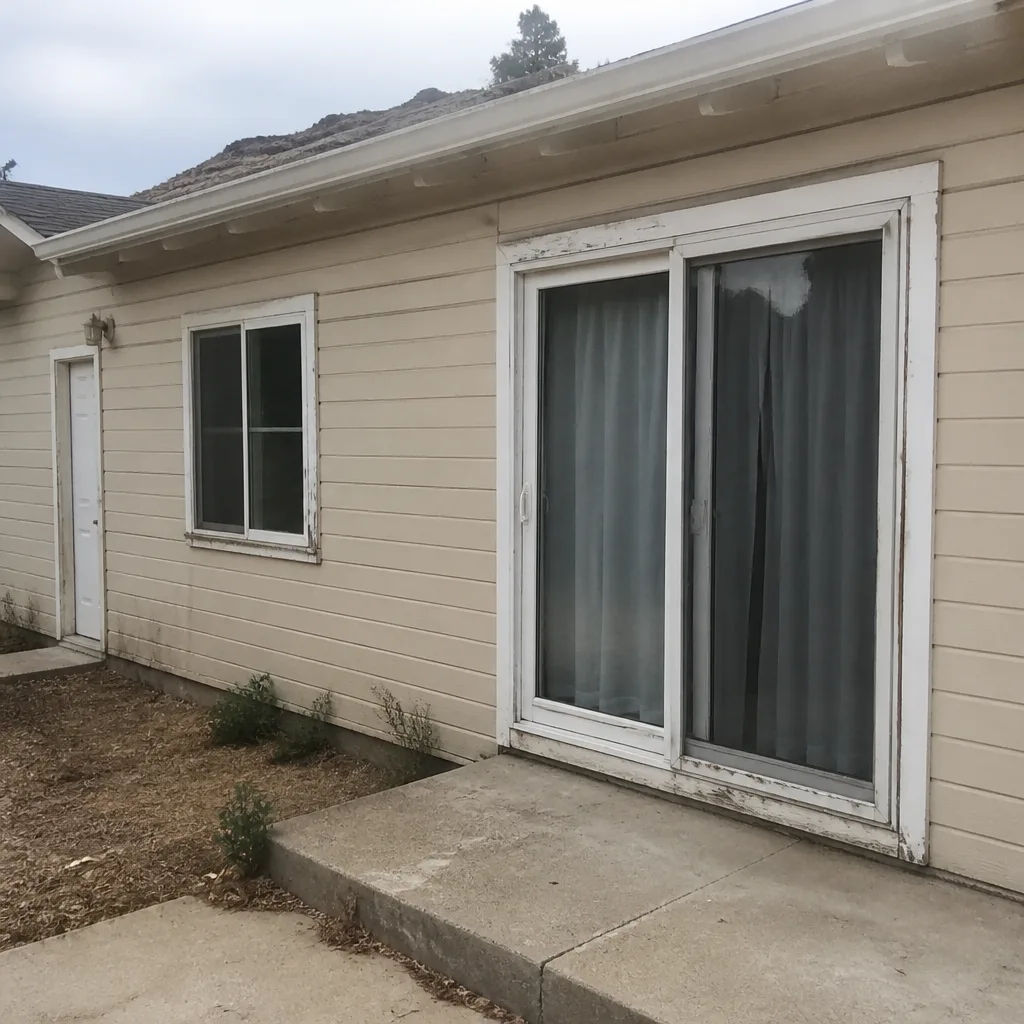 Before
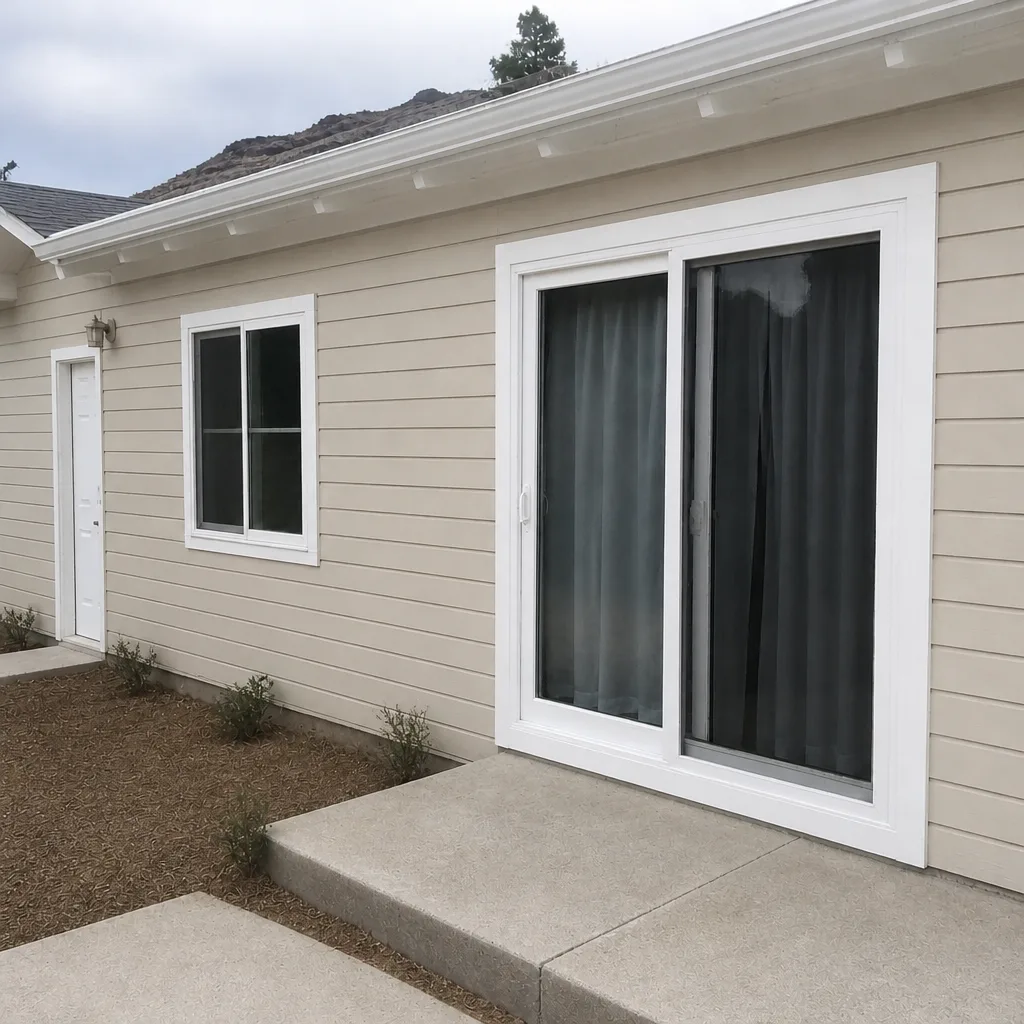 After
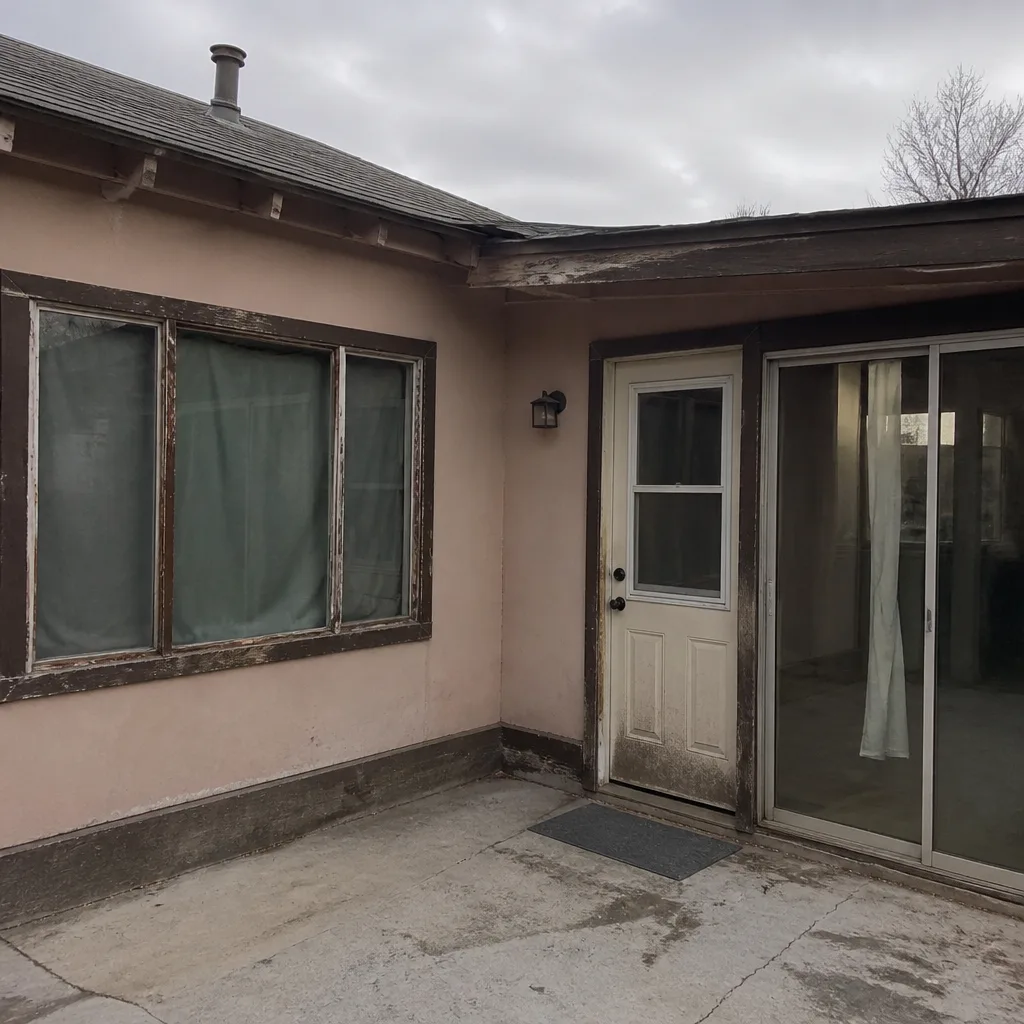 Before
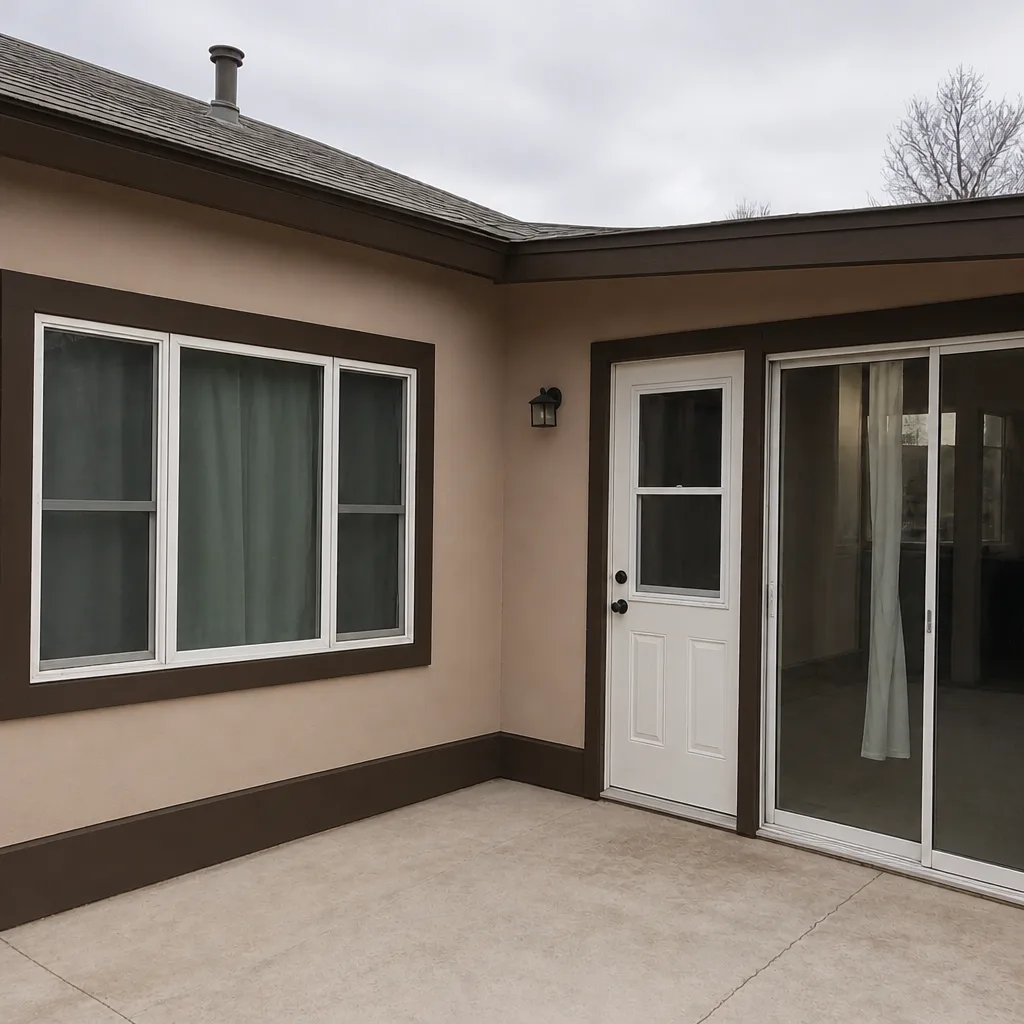 After
When to Call a Professional
Call a professional once any of these are true: a window fails the flex test and the frame is holding the glass out of square; a door has warped visibly, and the lock misalignment persists year-round rather than only in summer; a pane is cracked, chipped, or shows thermal fracturing; your summer utility bills have climbed 15 percent or more year over year with no other explanation; or you’re planning a project and need a specialist’s read on which window or door products fit your home before you commit. Enterprise Windows & Doors offers free estimates in Enterprise. If any of the symptoms above landed on your “replace soon” or “replace now” list, call (877) 558-4821. We answer 24/7. Fast dispatch from 7am to 7pm, Sunday through Friday.
Frequently Asked Questions
Chalking, fading, or a slight color shift on the sun-facing side of the frame is usually the first visible sign. It’s followed months or years later by a hazy or wavy look in the glass as the thermal seal starts to go. Neither one looks urgent, which is exactly why desert window failures get deferred – by the time heat gain shows up in your bill, you’re past the cheap-repair window. Call (877) 558-4821 for a free estimate – a specialist can tell you which stage you’re at.
A door that only sticks in the hottest weeks of summer is sticking because of thermal expansion; one that sticks or fails to latch year-round has warped. Sight down the leading edge with the door open (the side opposite the hinges); a bow you can see means the door or its jamb has warped. If the misalignment persists across seasons, call (877) 558-4821 to schedule a free assessment.
Some insulated glass units can be resealed or the glass can be replaced without replacing the whole window, and others can’t; whether yours is repairable depends on the frame condition and the manufacturer’s spec. In our experience, if the frame is still passing the flex test, resealing or glass replacement is worth looking at. A technician with up to 11 years of experience can tell you which path fits your window; the estimate is free.
Compare your July-to-July bills (and October-to-October, and one shoulder month) so you can isolate a trend rather than a single hot month. If the annual pattern is a steady climb with no other changes in the household and your HVAC has been recently serviced, windows and doors become the leading suspect. A specialist can verify with a walkthrough; call (877) 558-4821 for your free estimate.
Often yes – windows on the sun-facing side usually fail years before the shaded side, and replacing that side first is a sensible staging strategy. If several windows on the same side are the same age, they’re likely on the same failure schedule, and doing them together usually makes more sense than replacing them one at a time. Call (877) 558-4821 to talk through phasing.
The right brand depends on which failure you’re trying to prevent, which is why we carry eight brands rather than one. CWS and ECO Window Systems are the lines that come up frequently for UV-driven frame issues and efficiency-focused builds; Mr-Glass is practical for retrofit work on existing frames; Therma-Tru leads the conversation for heat-warped entry doors. Every one of those is a conversation we can have in one call, so call (877) 558-4821 for your free estimate.
The Bottom Line
The warning signs of window and door failure in Enterprise don’t look like the checklist you’ve read in other guides. Chalking, sticking sashes, hazy glass between panes, doors that won’t latch, and a climbing summer bill are the signals that matter here. Catch them at the flex-test and seal-failure stages, and you still have time to plan; once heat gain shows up in your utility data, replacement is usually the practical path. Use the flex test on your frames, the sight-down-the-edge test on your doors, and the severity matrix on whatever you find. And remember that the right replacement isn’t just the one the dealer happens to stock – it’s the one that addresses the failure you saw at your house. Enterprise Windows & Doors carries the brand lineup to make that a real choice.
Call (877) 558-4821 for a free estimate. We answer 24/7. Fast dispatch from 7am to 7pm, Sunday through Friday. Closed Saturday.
Written by the team at Enterprise Windows & Doors.