Last updated November 18, 2026
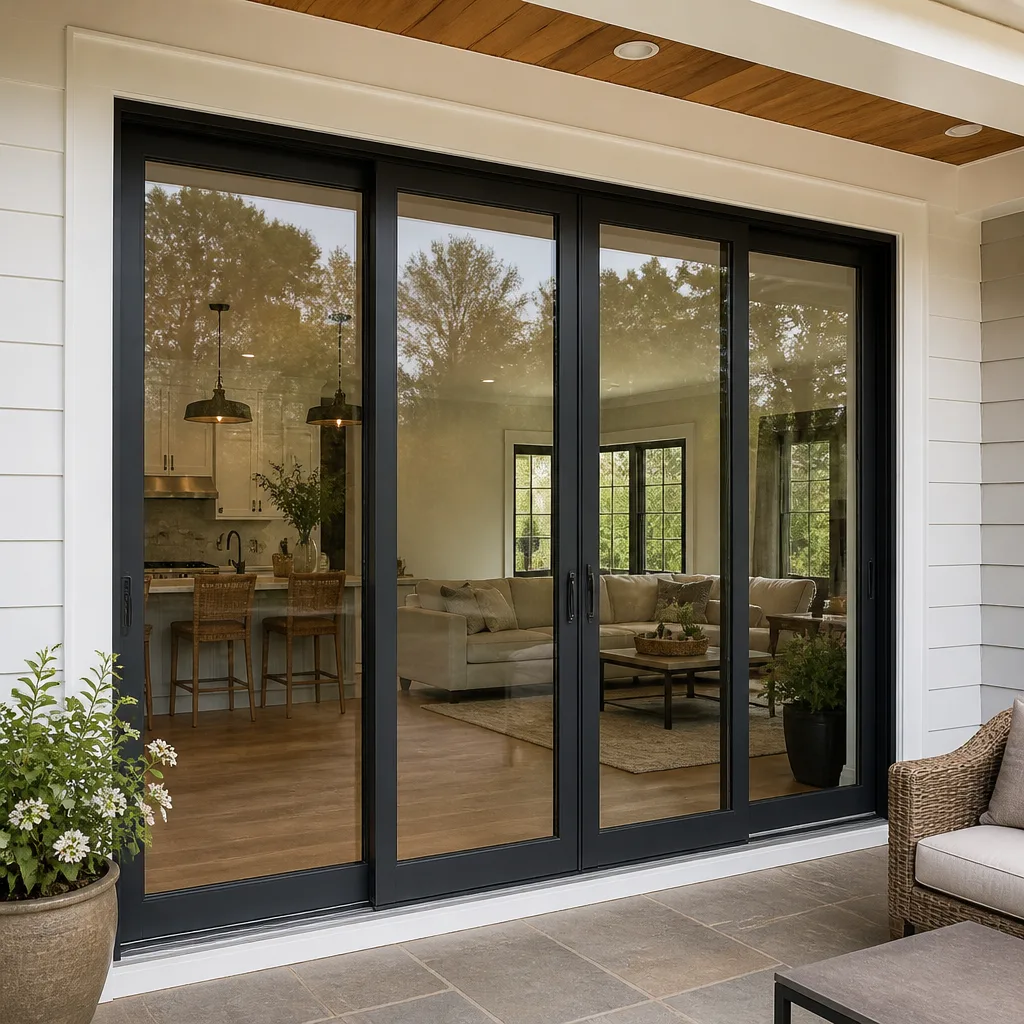 Sliding glass doors
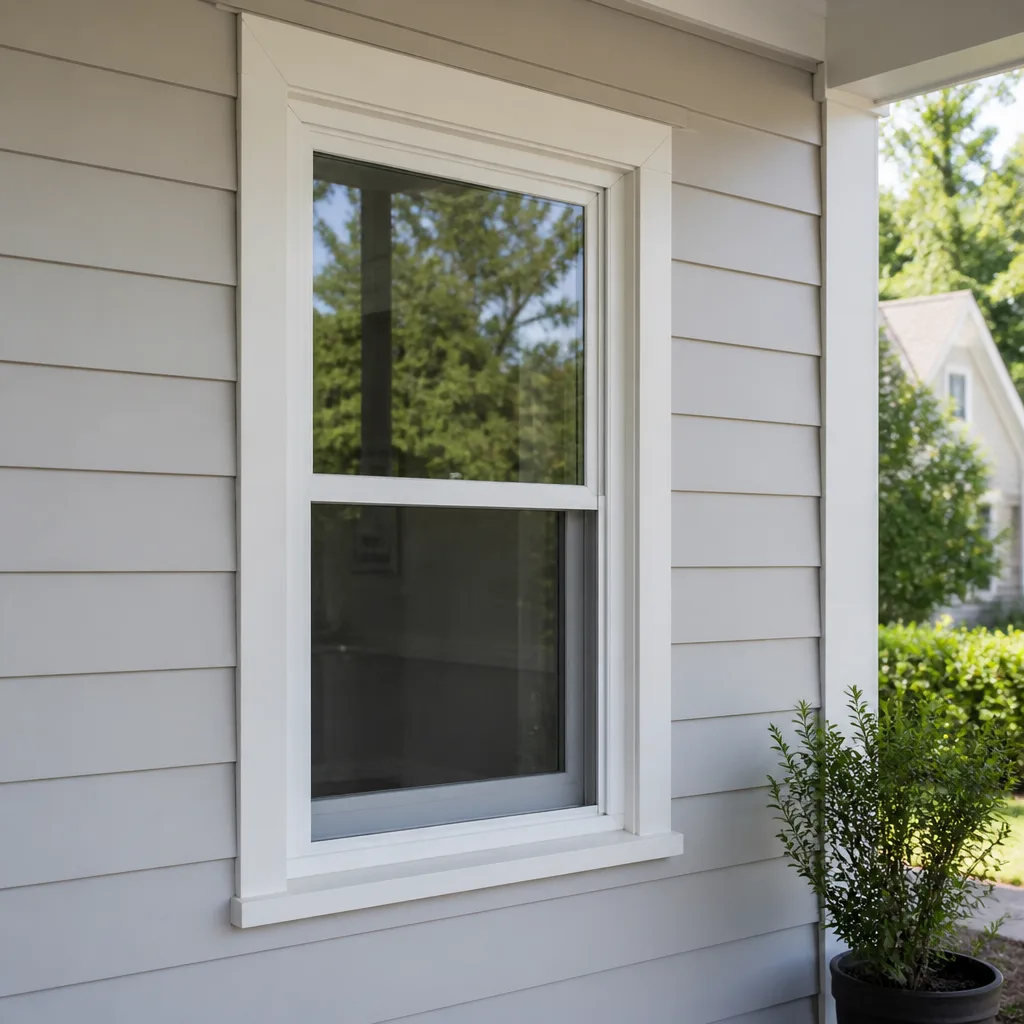 Single hung
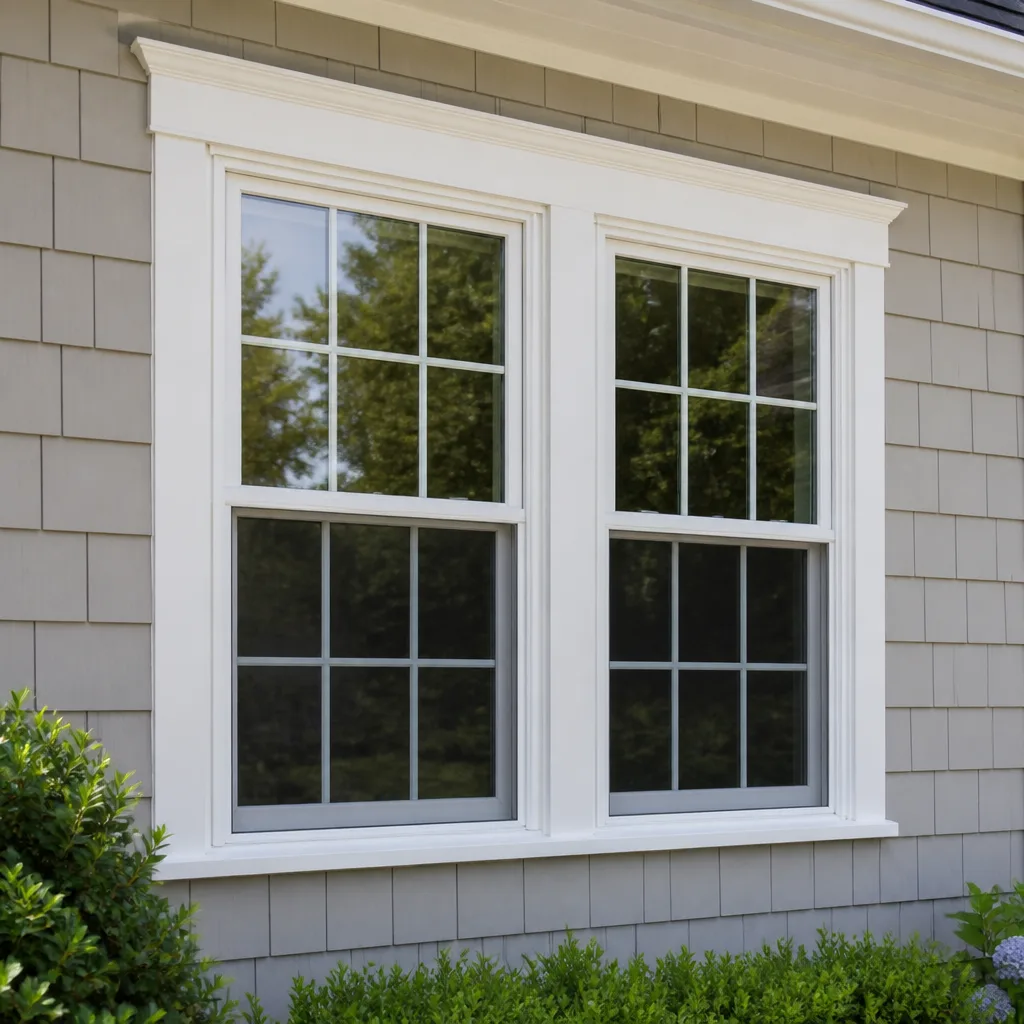 Double hung
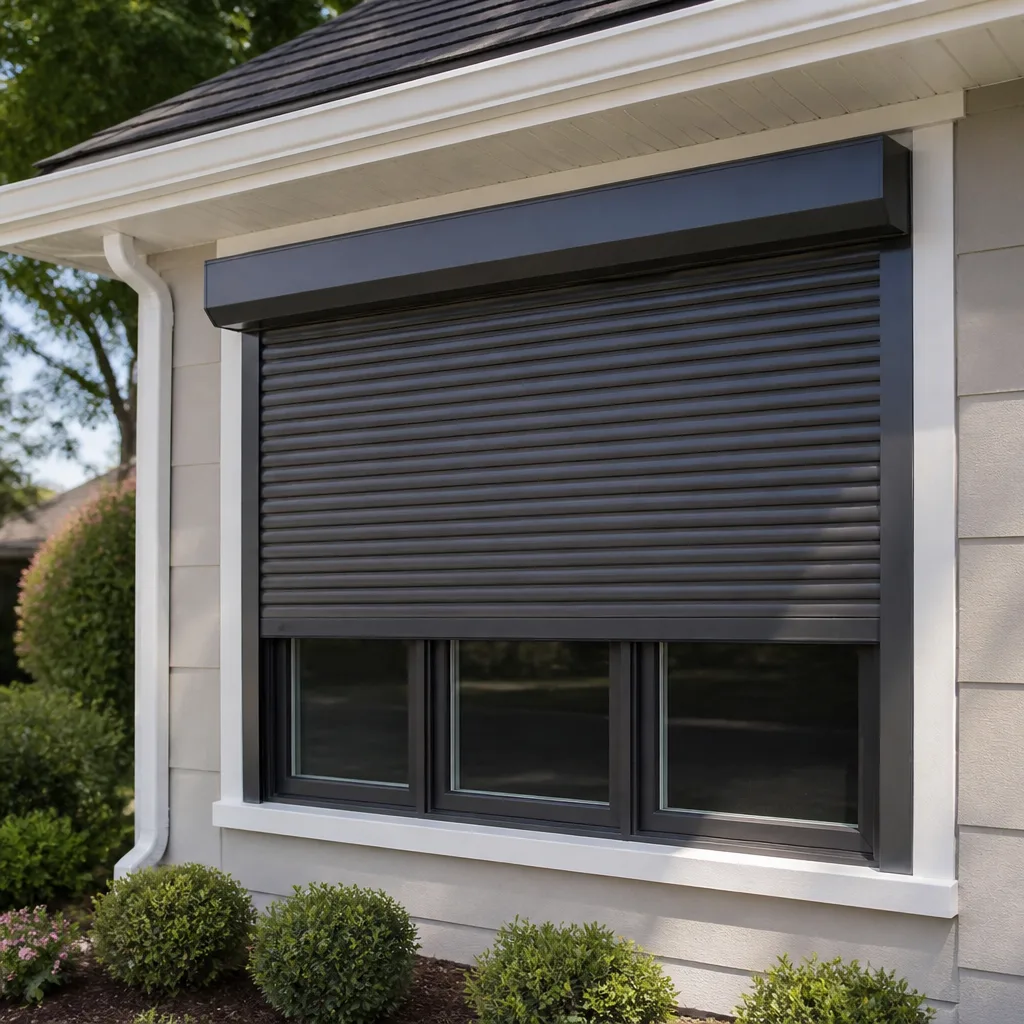 Horizontal roller
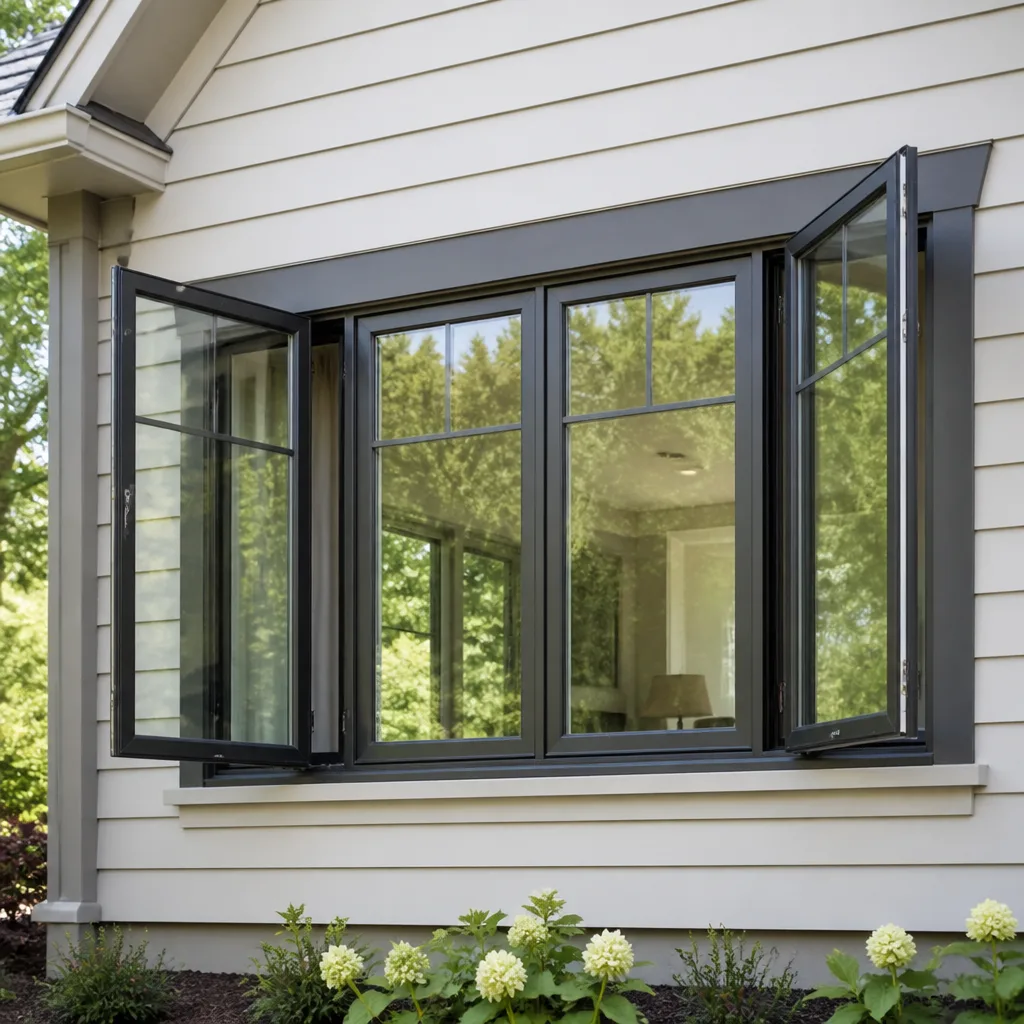 Casement
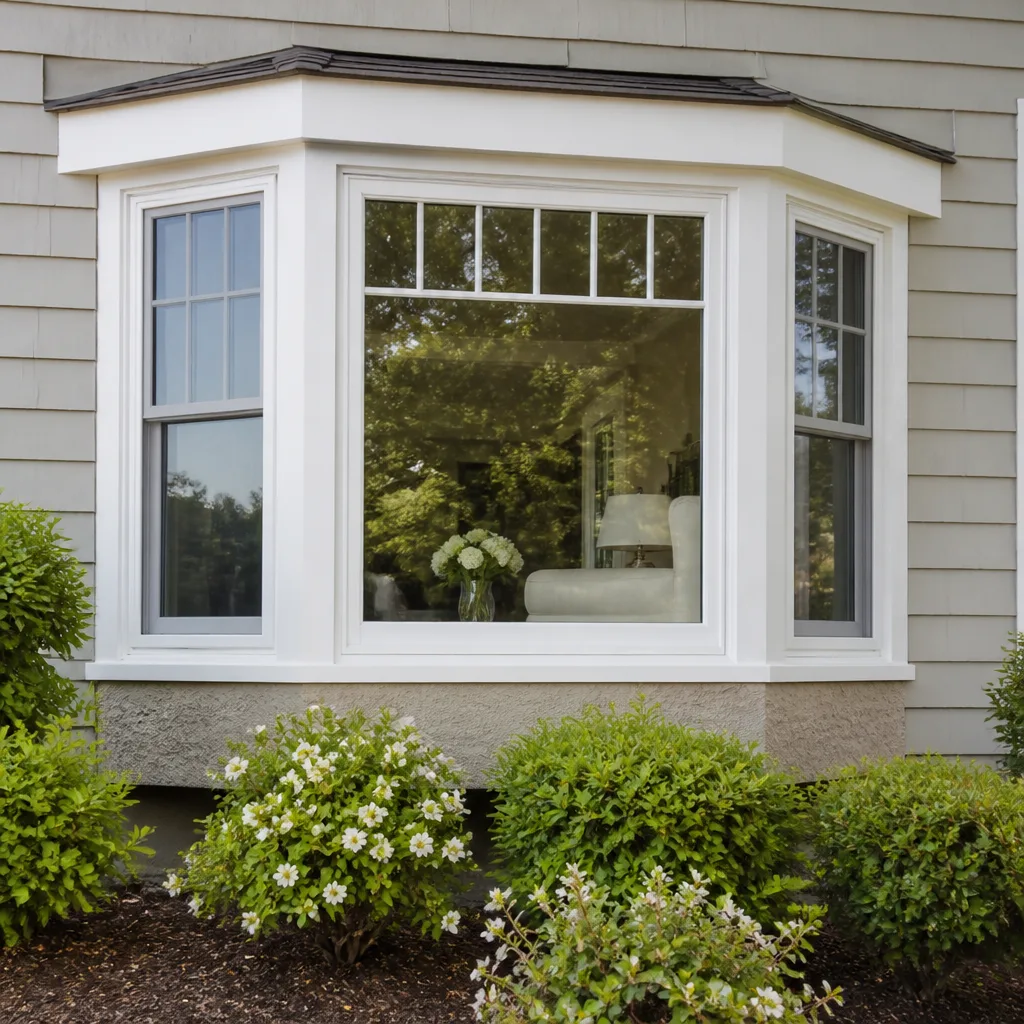 Bay & bow
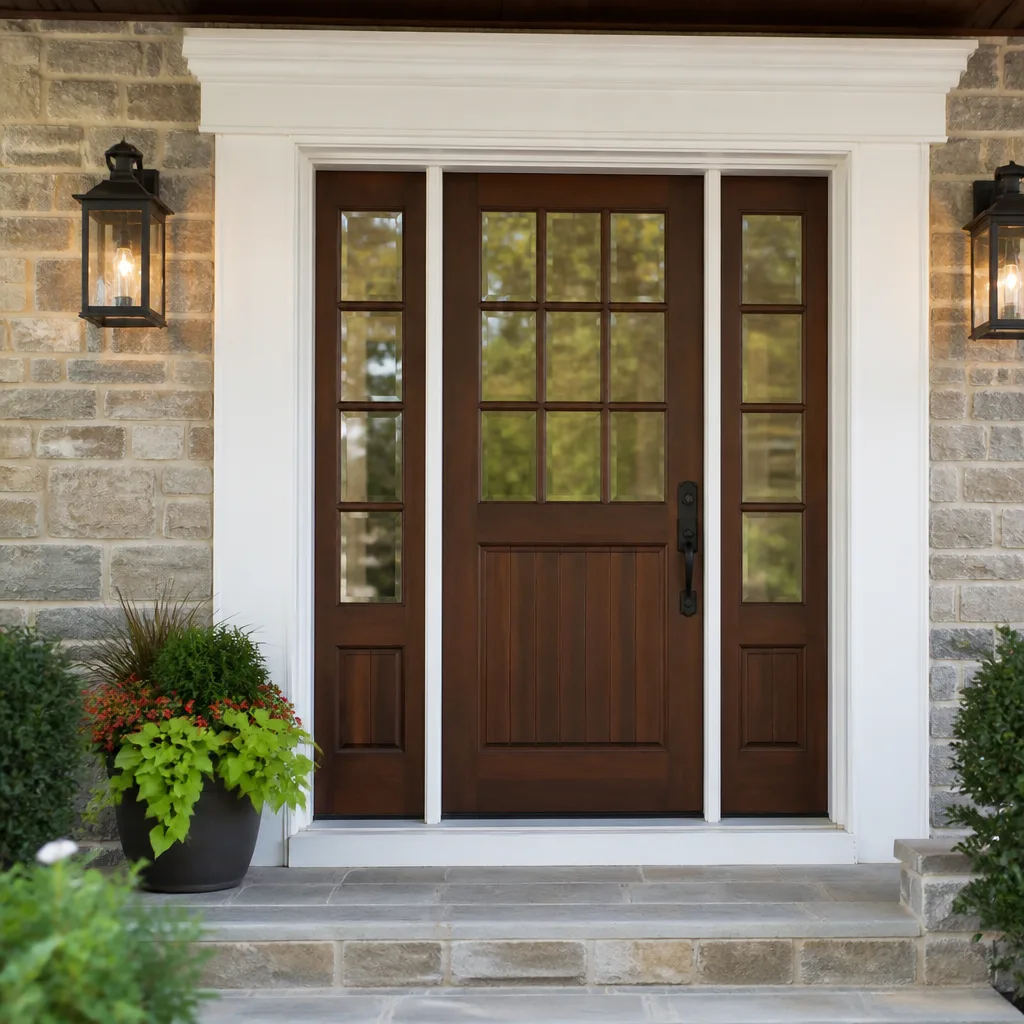 Entry doors
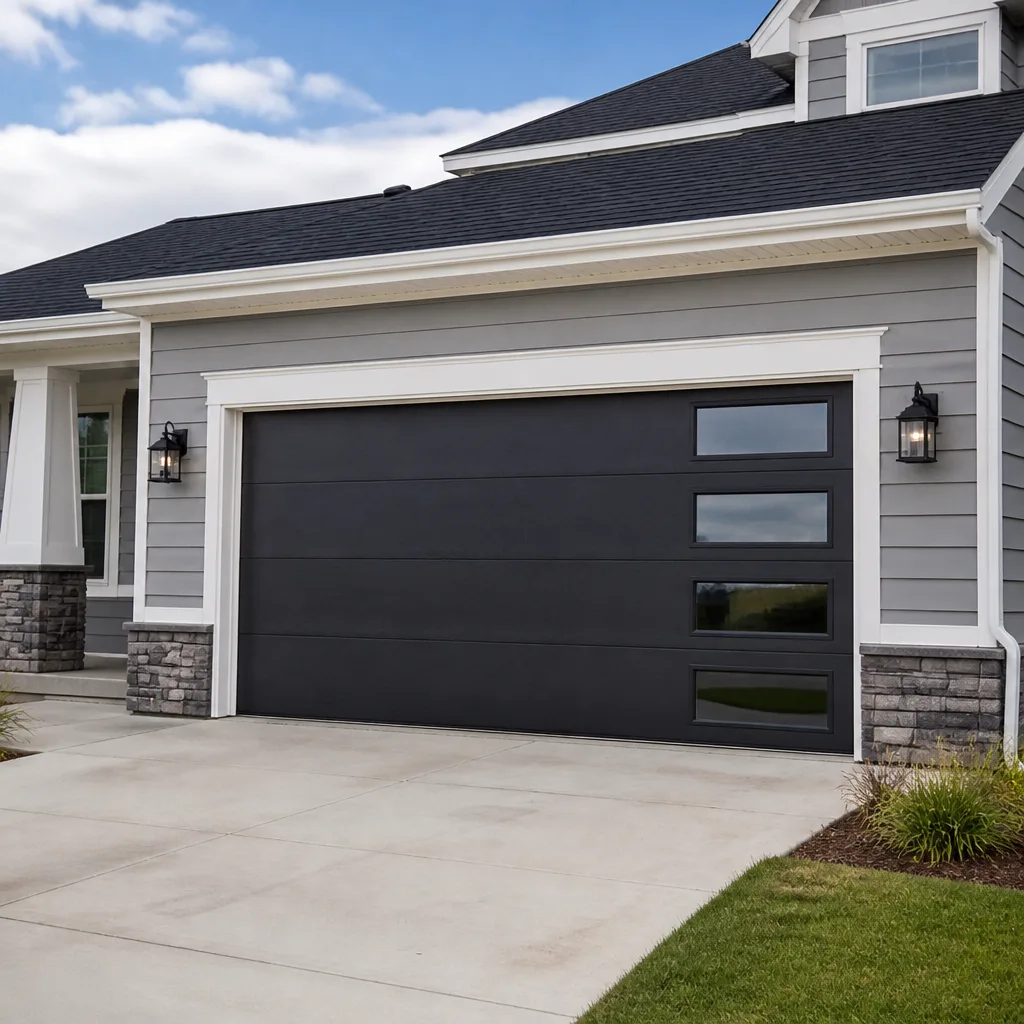 Impact garage doors
 PGT
 CGI
Free in-home measure and quote - PGT, CGI and CWS impact lines compared on your actual openings, style by style
Get your free estimateChoosing the Right Windows & Doors Brand: A Buyer’s Guide for Enterprise
Choosing a window brand from a “top 10” ranking article is like choosing a truck from a magazine comparison that never mentions your tow rating. The winner of the general test can be entirely wrong for your specific job. Rankings measure a brand in the abstract. Your home has particular opening sizes, a particular exterior finish, an HOA color palette to satisfy, performance targets tied to where it sits, and a budget that has to hold. Brand selection is a compatibility exercise, not a beauty contest. This guide walks through that exercise step by step, and it’s the same framework we use at Enterprise Windows & Doors when a homeowner asks which of our eight lines fits their project. You’ll learn how to read performance labels, compare frame materials and warranties, and verify that a brand can actually support you in Clark County after the sale.
Quick Answer
The right windows and doors brand for your Enterprise home is the one whose performance ratings, frame material, warranty terms, and local service support match your specific opening sizes, exterior finish, performance targets, and budget – not the brand that tops a national quality ranking. Because Enterprise Windows & Doors carries eight brands (PGT, CGI, CWS, ES Windows, ECO Window Systems, Mr-Glass, Therma-Tru, and ViewLux), you can compare competing lines side by side against your actual project instead of shopping one brand at a time and hoping it fits.
Styles & brands we work with
- Single hung
- Double hung
- Horizontal roller
- Casement
- Bay & bow
- Sliding glass doors
- Entry doors
- Impact garage doors
- PGT
- CGI
Table of Contents
- Which Brand Fits Which Homeowner? A Decision Framework
- How to Read the NFRC Label for Enterprise’s Climate
- Frame Material: Why Two Vinyl Windows Aren’t the Same
- Warranty Architecture and What It Means at Resale
- Why Local Brand Support Matters in Clark County
- How to Verify a Brand Before You Commit
- What Shopping Eight Brands Side by Side Changes
Which Brand Fits Which Homeowner? A Decision Framework
Start with your project type, not a brand name. The four homeowner profiles below cover most of what we see in Enterprise, and each one points toward a different set of brand strengths. Use it as a starting map, then narrow within the profile based on your specific openings and finish.
- Budget-focused new construction or full replacement. You need dependable performance across many openings at a controlled cost. Prioritize brands with strong standard sizes, straightforward lead times, and a clean entry-level vinyl line. CWS and Mr-Glass are worth comparing here, and ES Windows handles standard residential replacement well.
- Mid-range performance upgrade. You’re replacing aging windows in an established Enterprise home and want a measurable jump in efficiency and comfort without moving into premium pricing. ECO Window Systems is built around efficiency-focused projects, and ViewLux offers design flexibility for homes where appearance matters as much as performance.
- Premium storm and impact protection. You want impact-rated glass for genuine protection, and you’re willing to pay for the ratings. PGT and CGI are the two impact-rated lines in our lineup, and they’re the ones to compare directly against each other on frame depth, glass options, and hardware.
- Door systems and design-forward openings. Your project centers on entry, patio, or specialty doors, and the door system itself is the priority. Therma-Tru is one of North America’s most recognized door brands, and it anchors the door side of the project the way the window lines anchor the rest.
Notice what this framework does: it moves you from “which brand is best” to “which brand is best for this project.” That’s the only version of the question with a useful answer. When you request a window replacement quote from a specialist that carries multiple competing lines, you can run all four comparisons against your own home rather than accepting whichever single brand a dealer happens to stock.
A note on mixed projects
Plenty of Enterprise homes don’t fit one profile cleanly. A homeowner might want impact-rated windows on the exposed side of the house, standard replacement on the sheltered side, and a new Therma-Tru entry door to tie it together. That’s a normal project, and it’s exactly where a multi-brand lineup earns its keep. You aren’t forced into one brand’s catalog for the whole house.
How to Read the NFRC Label for Enterprise’s Climate
Every rated window carries an NFRC label, and that label is the most honest document in the whole buying process. It reports tested performance rather than marketing language. Four metrics matter most for an Enterprise home, where intense summer sun and dramatic day-to-night temperature swings do most of the work on your windows.
- U-factor measures how fast heat moves through the whole window assembly. Lower is better in both summer and winter. In this climate, a lower U-factor keeps conditioned air from leaking out through the glass and frame during the long cooling season.
- Solar Heat Gain Coefficient (SHGC) measures how much of the sun’s heat the window lets in. Lower SHGC means less solar heat entering the home. For west- and south-facing windows that take the brunt of afternoon sun, this number matters more than almost any other.
- Visible Transmittance (VT) measures how much daylight passes through. Higher VT means brighter rooms but also more solar gain. The goal is the best balance between daylight and heat rejection for each orientation.
- Air Leakage (AL) measures how much air slips around the window assembly itself. Lower is better, and it’s a direct reflection of how well the frame, sash, and weatherstripping are engineered.
What target ranges look like depends on where your home sits. Enterprise falls in IECC Climate Zone 3B, a hot-dry zone, which means the local energy code leans on SHGC limits and a U-factor ceiling for new and replacement windows. The exact numbers are set by the adopted energy code and any amendments your jurisdiction has added, so the right move is to confirm the current requirements with your local building department and then hold the NFRC label up against them. A good brand will have products that comfortably meet Zone 3B requirements rather than barely scraping past. Ask to see the label for the exact model, glass package, and size you’re considering – performance changes with all three.
The label is product-specific, not brand-wide
This trips people up constantly. A brand’s reputation is an average across dozens of products. The window going into your wall is one specific configuration with one specific label. Compare labels between the products you’re actually buying, even if both carry the same manufacturer name.
Frame Material: Why Two Vinyl Windows Aren’t the Same
Two brands can both advertise “vinyl” and still deliver meaningfully different products. The word describes a category, not a formula. The differences show up in how the frame handles years of intense Enterprise sun, and they show up in the questions a good installer will answer without flinching.
The key variable is UV stabilization. Vinyl is a plastic, and all exterior vinyl needs additives that resist ultraviolet degradation. Those formulations are proprietary and they vary. A frame with strong UV stabilization holds its color and its structural integrity through years of sun exposure. A weaker formulation can chalk, fade, or become brittle. In a place where the sun beats down most of the year, that difference is not academic.
Here’s what to ask to tell them apart:
- “What’s the heat distortion temperature of this profile?” A higher number means the vinyl resists warping better under sustained heat – relevant on dark-colored frames and west-facing walls.
- “Is the color through the material or a surface coating?” Through-color vinyl holds up better than painted or laminated surfaces, especially in strong sun.
- “What’s the wall thickness of this extrusion?” Thicker profile walls resist twisting and sag. It’s a fair proxy for material quality.
- “How does this frame handle expansion and contraction?” Big temperature swings stress the joints between frame and glass. Good engineering accounts for it.
- “What’s the warranty on the finish itself?” A brand confident in its UV formulation will back the color, not just the mechanism.
Material choice beyond vinyl matters too. Fiberglass resists heat and movement well, clad wood brings a traditional look to historic homes, and aluminum stays slim for larger openings. The point isn’t that one material wins. It’s that you should understand which material is going into your walls and why, and you should be able to compare those answers across brands. That’s part of what we walk through at Enterprise Windows & Doors on a window installation consultation: the material question gets answered before the brand gets locked in.
Warranty Architecture and What It Means at Resale
Warranty language is where brand differences get buried in fine print. Every manufacturer sounds generous in the headline. The terms that actually determine value are the ones underneath: what’s covered, for how long, on which components, and whether the coverage follows the house when you sell it. In Enterprise’s active real estate market, that last point is worth real money.
There are three common architectures:
- Lifetime warranty. Usually covers the frame and mechanism for as long as the original purchaser owns the home. Strong for the buyer, but often expires at sale. Read whether “lifetime” means the owner’s lifetime or the product’s.
- Limited lifetime warranty. Covers some components for life and others for a shorter term – say, ten or twenty years on glass, seals, or finish. The word “limited” is doing a lot of work, so read which parts are capped.
- Transferable warranty. Explicitly passes to a subsequent owner, sometimes for a defined number of years and sometimes for the life of the product. This is the version with resale value, because it gives a buyer documented coverage on an expensive system.
How to read warranty terms properly
- Find the labor clause. Many manufacturer warranties cover replacement parts only, not the labor to install them. Ask who covers labor and for how long.
- Check the glass coverage separately. Glass breakage, seal failure, and impact damage are usually handled under different terms than the frame.
- Confirm whether the warranty is transferable, and what the buyer must do to transfer it – usually a written notice within a set time after sale.
- Keep the documentation. The NFRC labels, the written warranty, and your installation paperwork are the proof a future buyer will ask for.
Read the paperwork beside the quote, and ask the installer how each brand’s terms compare before you decide. Because we carry competing lines, this is a comparison we can actually make for you rather than a single warranty we have to defend.
Why Local Brand Support Matters in Clark County
A brand’s reputation means nothing if the local support behind it is thin. Six years after install, when a seal fails, a pane cracks, or a lock mechanism gives out, you need a path to replacement glass, hardware, and a knowledgeable installer. The brand name on the glass doesn’t answer the phone. The local infrastructure behind it does.
Before you commit to any brand, verify that its service infrastructure actually exists in Clark County:
- Ask for the manufacturer’s current specification literature for the exact product and configuration. The installer should be able to pull it up on the spot, not promise to email it later.
- Ask who handles warranty claims – does the installer process them directly, or is there a separate service channel? Confirm a process exists before you buy.
- Ask about replacement glass and hardware sourcing. If a part breaks, can it be sourced from a local supplier, or does it ship from across the country? Ask how long that typically takes.
- Ask how many lines the dealer carries. A single-brand dealer has one answer for every question. A multi-brand dealer has to actually compare, which usually means a more honest recommendation.
- Ask for hardware samples and finish options so you can match your door hardware, window colors, and exterior palette before committing.
The multi-brand advantage
Here’s where the model matters for you. If the only window brand a company carries is the one it recommends, you’re listening to an inventory report, not advice. Because Enterprise Windows & Doors is an authorized dealer and installer for eight brands, the recommendation has to be earned against seven competitors. The question stops being “which brand do you sell” and starts being “which of these brands fits this project” – and that comparison only takes one conversation.
How to Verify a Brand Before You Commit
Verification is the step most buyers skip, and it’s the one that costs them in the long run. A few pointed questions will tell you whether a brand is a safe bet for your Enterprise home or whether the local support is thinner than the marketing suggests.
Start with the driver, end with the service side. Ask about the brand’s profile, glass, and warranty – then move to what happens after the sale. The answers on the service side tell you more than any showroom display:
- Profile and glass specifics. Ask for the wattage-equivalent details: U-factor, SHGC, VT, and air leakage ratings on the exact configuration. A confident brand answers all four without hesitation.
- UV and finish stability. Ask about UV stabilization in the frame material and warranty on the color finish. In a hot climate, finish degradation is common and the warranty language tells you a lot.
- Hardware standardization. Ask whether locks and hinges are standard across the line or proprietary. Standardized parts are easier to replace when needed.
- Local service reach. Ask for a clear answer on who covers warranty service in Clark County and how long replacement parts typically take to arrive.
- Documentation. Ask for the current product spec sheet, the NFRC label for your configuration, and the full written warranty before you sign anything.
You can also check a quick set of signs for a solid brand:
- Clear, published performance ratings on the exact product, not a brand average.
- Warranty terms you can read in plain English.
- Local dealer support – not just a website and a phone tree.
- Parts and hardware available through a source nearby.
If a brand can’t answer these questions inside a single consultation, that tells you something. Ask the same questions of the other brands in the lineup and compare the answers side by side. It’s the fastest way to separate marketing from engineering.
What Shopping Eight Brands Side by Side Changes
Single-brand shopping is a one-option quiz. Eight-brand shopping is a comparison, and it produces a different kind of answer. Rather than walking into a showroom and being handed the one option the dealer stocks, you sit down with a lineup that spans impact-rated, energy-efficient, and design-forward products and match the product to the project.
The lineup we work with at Enterprise Windows & Doors – PGT, CGI, CWS, ES Windows, ECO Window Systems, Mr-Glass, Therma-Tru, and ViewLux – covers a broad range of needs:
- Impact-rated protection: PGT and CGI for homes that want serious storm protection.
- Efficiency-focused builds: ECO Window Systems for projects where energy performance drives the spec.
- Standard replacement and new construction: CWS, ES Windows, and Mr-Glass for dependable everyday performance.
- Design-forward openings: ViewLux for appearance and configuration flexibility.
- Door systems: Therma-Tru for entry, patio, and specialty doors.
That range matters most when a home falls between profiles. A mixed project – impact-rated on one side, standard on another, a new entry door to finish it – can be priced and compared within one conversation instead of three separate dealership visits. The decision becomes about the right window for your home, not just the one that happens to be in stock.
If you’re a generalist builder too
Much of the value here is not just selection but focus. When every conversation, every technician, and every project in a shop is about windows and doors, the questions get sharper and the answers get specific. Brand differences matter most to people who install windows and doors every day – and that’s who should be answering your questions. For a specialist Enterprise homeowner comparing brands, that focus is the point.
Common Mistakes to Avoid
- Buying from a national ranking article. Rankings measure brands in the abstract. They don’t know your opening sizes, your HOA palette, or your Zone 3B performance targets. Treat the ranking as a starting point, then verify the actual product against your actual project.
- Comparing brands on price alone. The cheapest quote often reflects a lower-performance glass package, a thinner frame, or a shorter warranty. Compare the U-factor, SHGC, and warranty terms side by side before looking at the bottom line.
- Ignoring the NFRC label. The label on the exact unit is the only honest performance document you’ll get. Ask for it on the configuration you’re buying, not a brand average or a showroom display.
- Assuming all vinyl is equal. UV stabilization, wall thickness, and color-through formulations vary widely. In Enterprise’s sun, those differences show up within a few years – ask the questions before you buy, not after.
- Skipping the warranty fine print. “Lifetime” often expires at sale, and labor is frequently excluded. Read the transferability and labor language in writing before signing.
- Not checking local service support. A brand with no local replacement-glass path can leave you with a broken pane and no clear way to fix it. Confirm service infrastructure in Clark County before committing.
- Shopping one brand at a time. Single-brand shopping hides the comparison that actually matters. If a dealer only carries one line, you’re not getting a recommendation – you’re getting an inventory report.
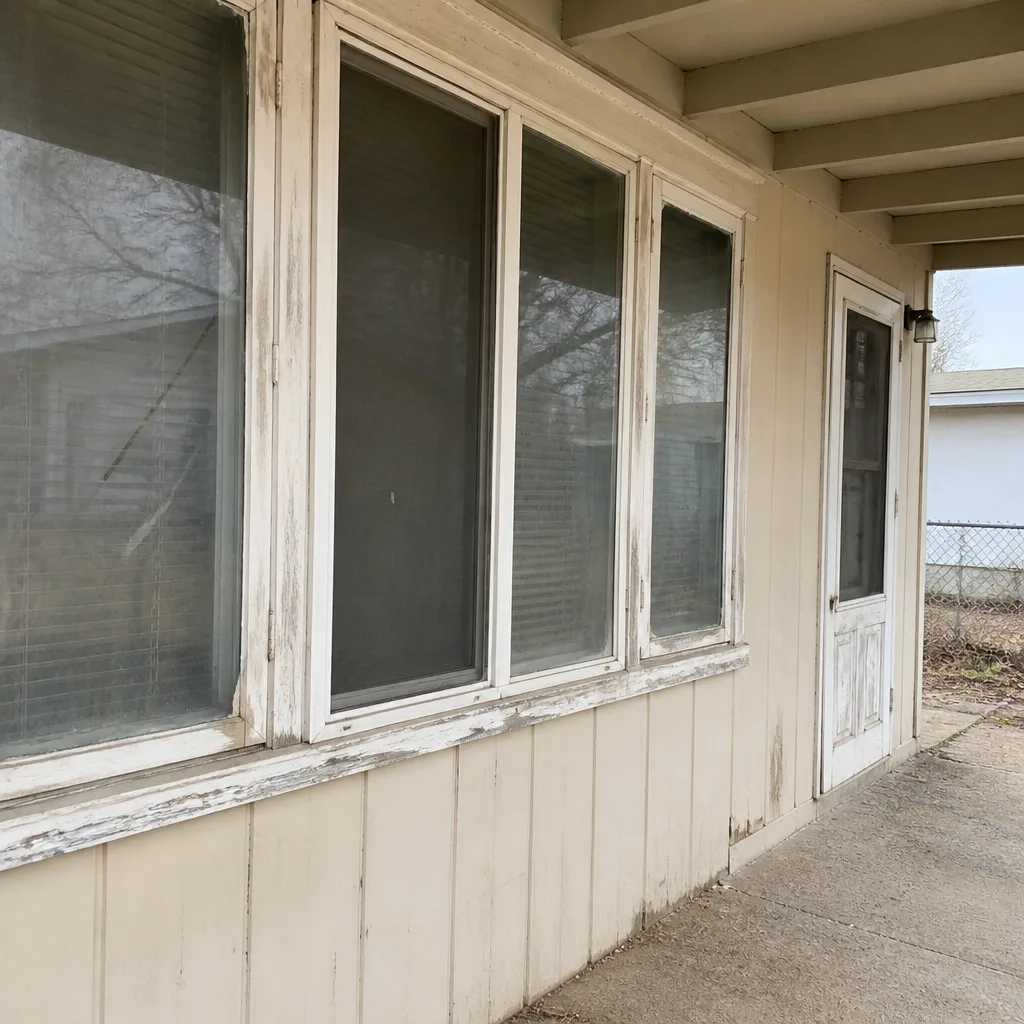
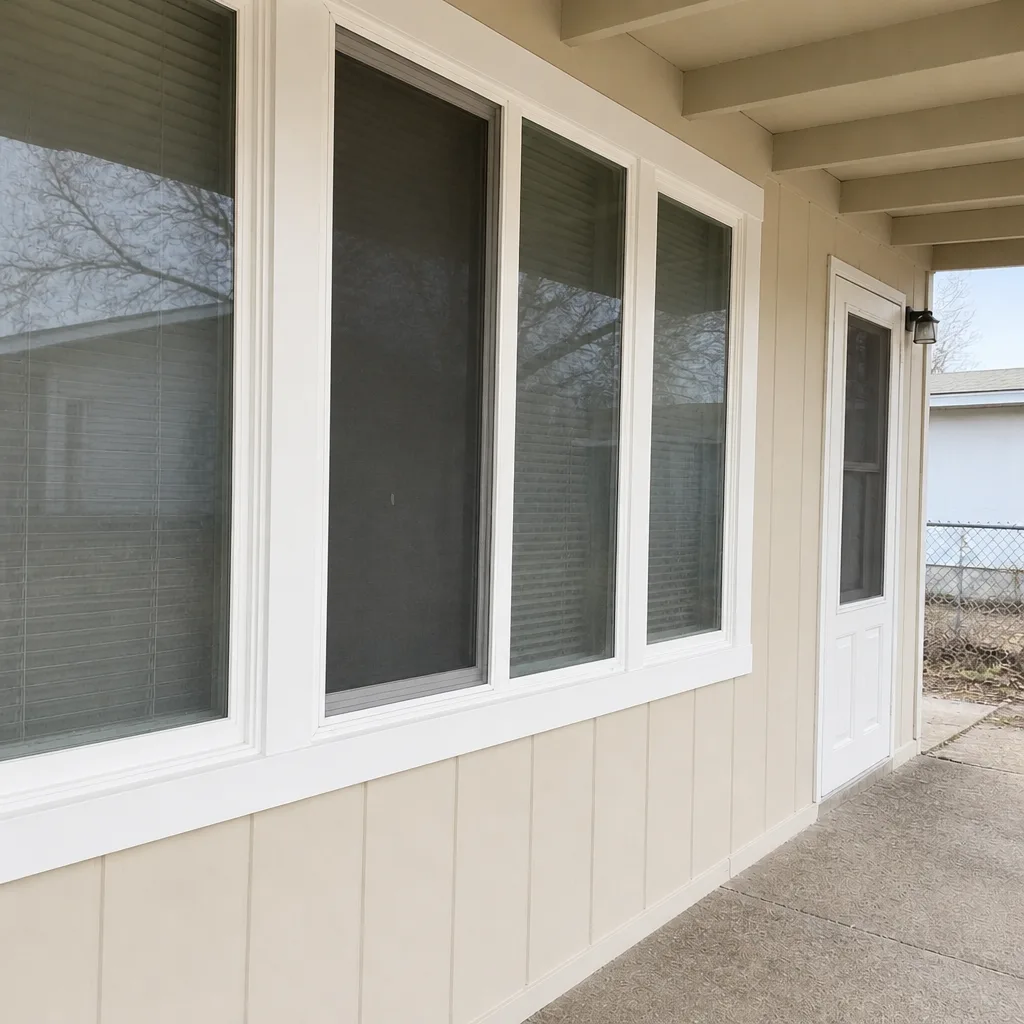
See the difference
 Before
 After
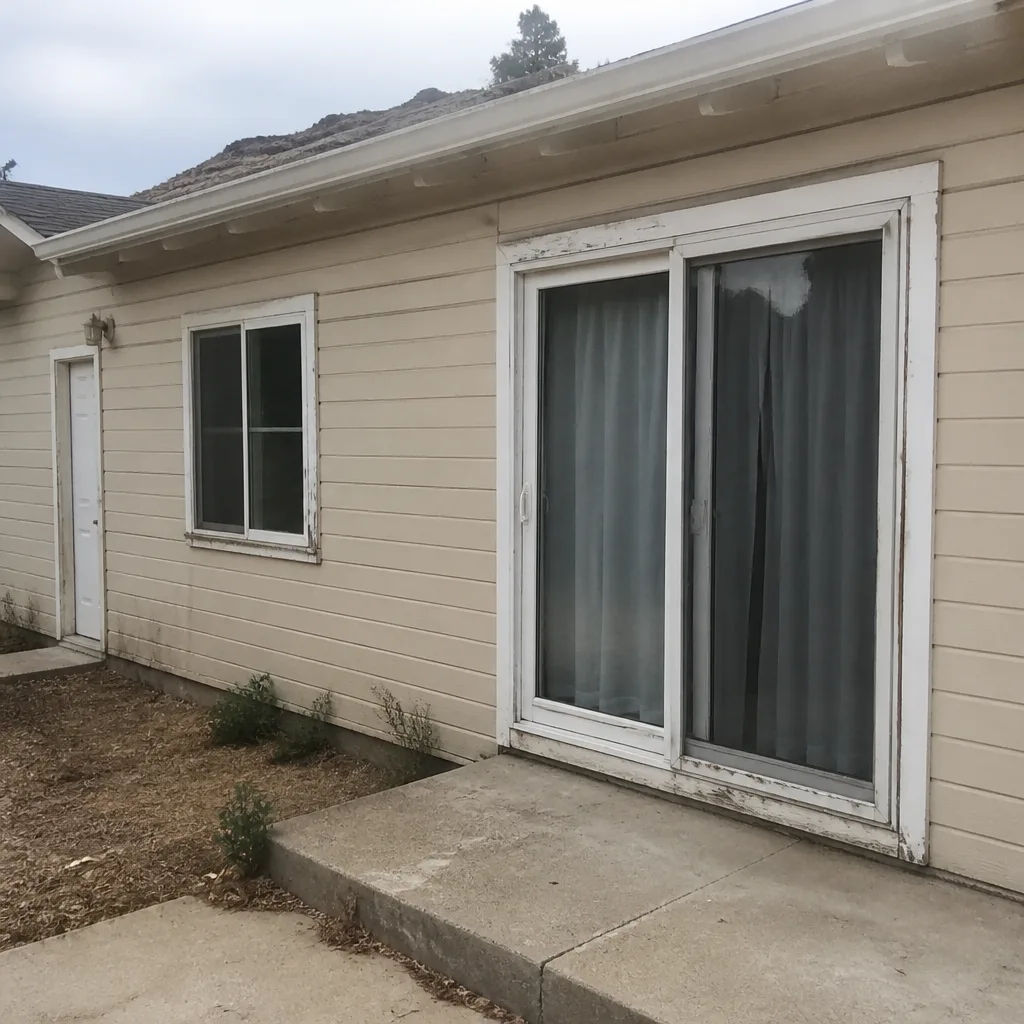 Before
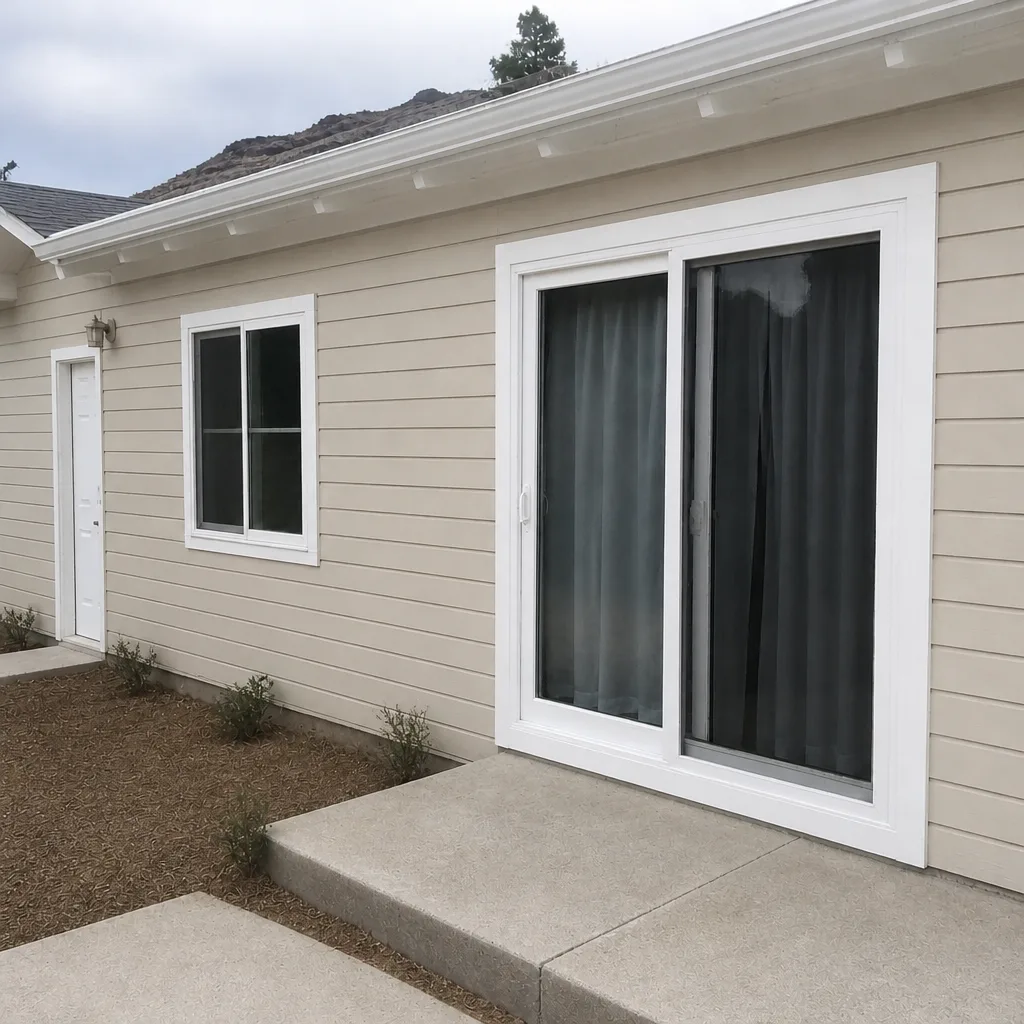 After
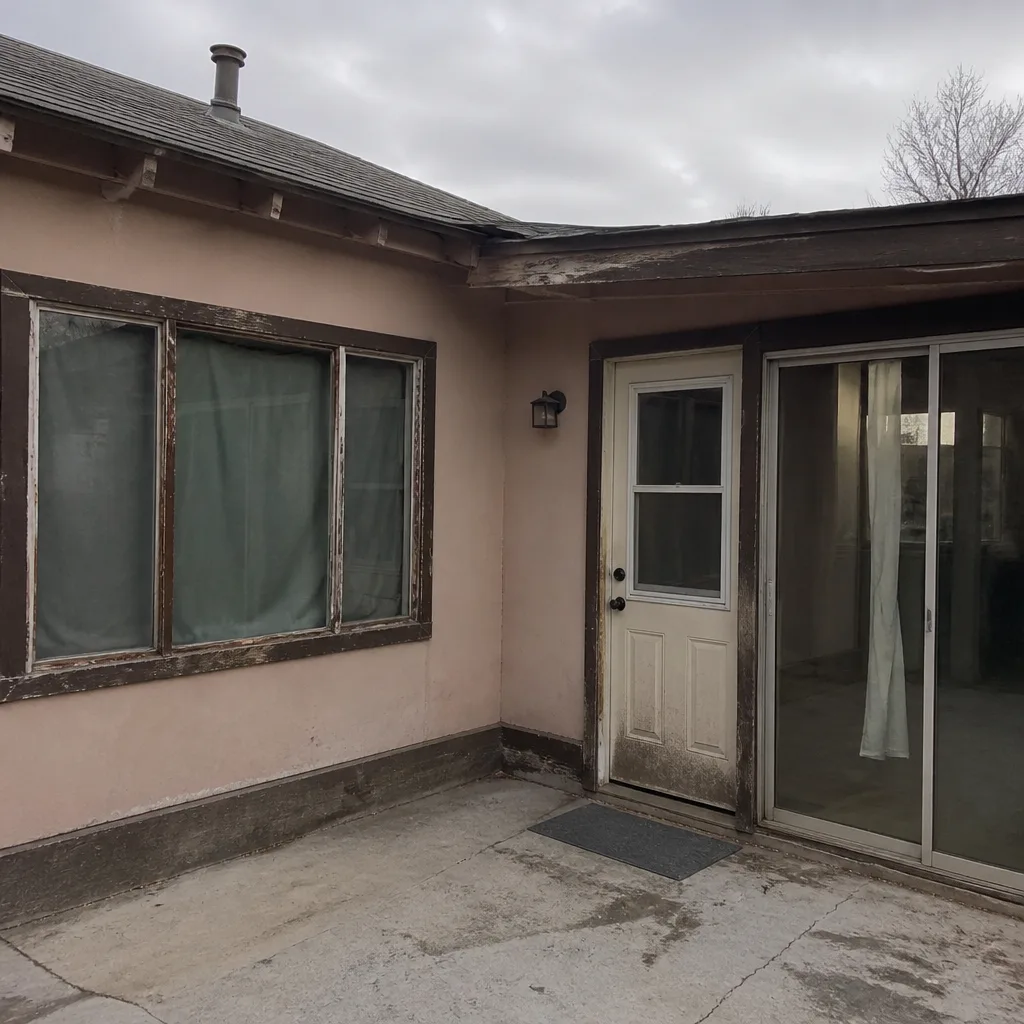 Before
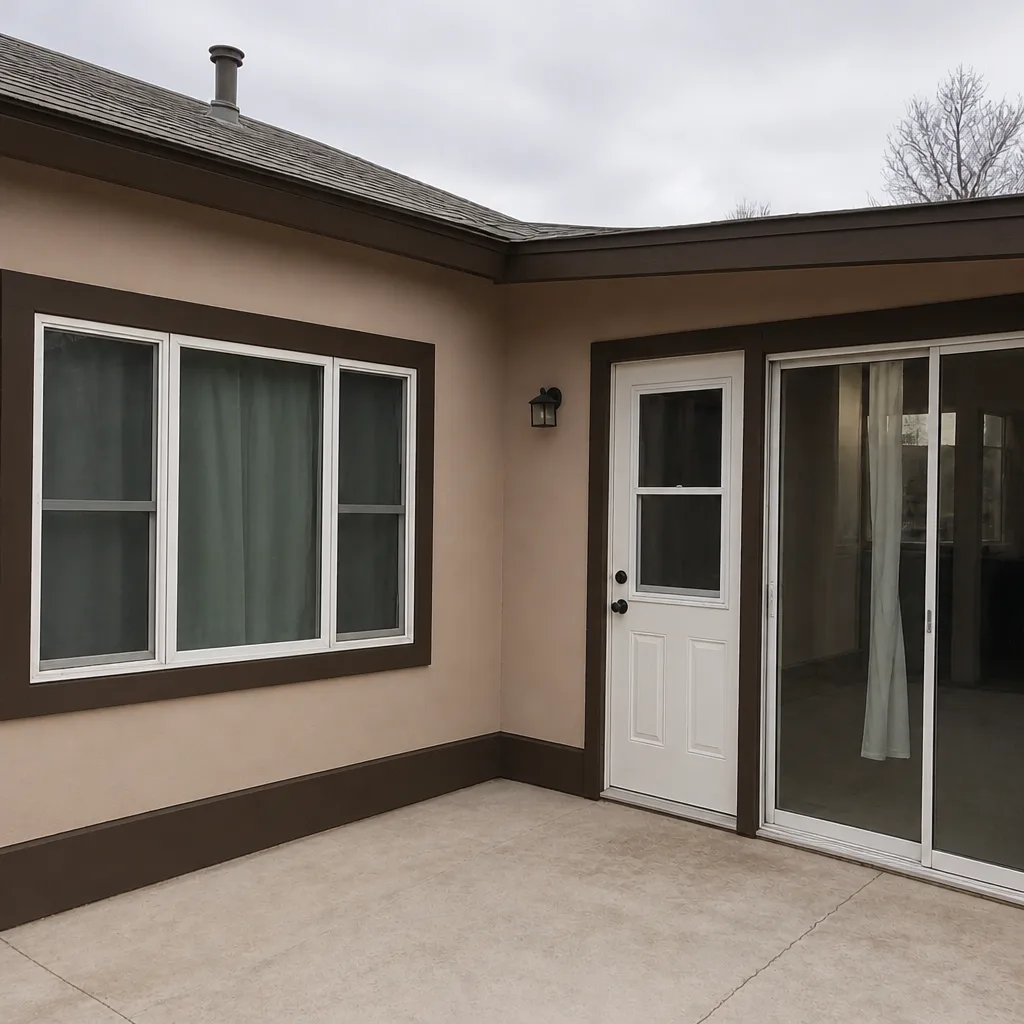 After
When to Call a Professional
There are clear signs it’s time to bring in a specialist. Seal failure – fog or condensation trapped between glass panes – means the unit’s performance is compromised. Drafts around frames that weatherstripping can’t fix point to a worn or badly installed window. Sticking, hard-to-lock, or sagging sashes mean the hardware or the frame has moved. Impact-rated glass with a cracked pane, a door that no longer seals at the threshold, or a home where the whole window package is aging out together all warrant a professional look.
Window and door replacement isn’t a do-it-yourself job once you’re dealing with full-frame replacement, correct flashing, or impact-rated systems. Enterprise Windows & Doors offers free estimates in Enterprise – call (877) 558-4821. We answer 24/7 and offer fast dispatch from 7am to 7pm, Sunday through Friday. A professional assessment also gets you the side-by-side brand comparison that the national rankings can’t provide.
Frequently Asked Questions
There’s no single best brand – the right one depends on your opening sizes, exterior finish, performance targets, and budget. For impact protection, compare PGT and CGI; for efficiency-focused projects, look at ECO Window Systems; for standard replacement, CWS, ES Windows, and Mr-Glass are worth comparing; for door systems, Therma-Tru anchors the door side. Because Enterprise Windows & Doors carries all eight lines, you can compare them against your actual project in one conversation. Call (877) 558-4821 for a free estimate.
The NFRC label reports tested performance on the exact product and configuration, including U-factor, Solar Heat Gain Coefficient, Visible Transmittance, and Air Leakage. Those four numbers tell you how the window will perform in Enterprise’s hot-dry climate far more reliably than any brand reputation. Ask to see the label for the specific model, glass package, and size you’re buying, and compare it against the current energy code requirements for your home.
Because “vinyl” describes a material category, not a formula. Manufacturers use different UV-stabilization formulations, wall thicknesses, and color-through processes. In Enterprise’s sustained sun, a frame with strong UV stabilization holds its color and structure far longer than a weaker formulation. Ask about heat distortion temperature, wall thickness, color-through construction, and the finish warranty before assuming two vinyl windows are equal.
A lifetime warranty typically covers the original purchaser and may expire when the home sells. A transferable warranty passes to a subsequent owner, sometimes for a defined term and sometimes for the life of the product. In Enterprise’s active real estate market, a transferable warranty gives a future buyer documented coverage on an expensive system, which can carry genuine resale value. Read the labor clause and glass coverage carefully, and confirm the transfer process in writing. Call (877) 558-4821 and we’ll compare the terms across the brands for you.
Ask pointed questions before signing. Ask for current product specification literature, a clear warranty-claim process, and how replacement glass and hardware are sourced locally. A dealer that carries multiple competing lines has real reasons to compare products, and that comparison usually produces a more honest recommendation. If a brand can’t answer these questions in one consultation, that’s information worth having. Call (877) 558-4821 for a free estimate and a side-by-side brand comparison.
Yes. Enterprise Windows & Doors covers window replacement, window installation, and door installation – the full lifecycle of an opening, from new construction to retrofit. That means one installer, one warranty conversation, and one point of accountability for both windows and doors. Since every conversation and every technician is focused on windows and doors only, the brand questions get answered with genuine product knowledge. Call (877) 558-4821 to schedule your free estimate.
The Bottom Line
Choosing a windows and doors brand isn’t a ranking exercise – it’s a compatibility exercise. Start with your project profile, read the NFRC label for the exact product, verify the frame material and UV formulation, read the warranty terms for transferability and labor coverage, and confirm the brand has real local service support in Clark County. Then compare competing lines side by side rather than shopping one at a time. That’s what eight brands and one specialist make possible: the right window for your home, not just the one that happens to be in stock. Call (877) 558-4821 for a free estimate. We answer 24/7 and offer fast dispatch from 7am to 7pm, Sunday through Friday.
Written by the team at Enterprise Windows & Doors.