Last updated November 18, 2026
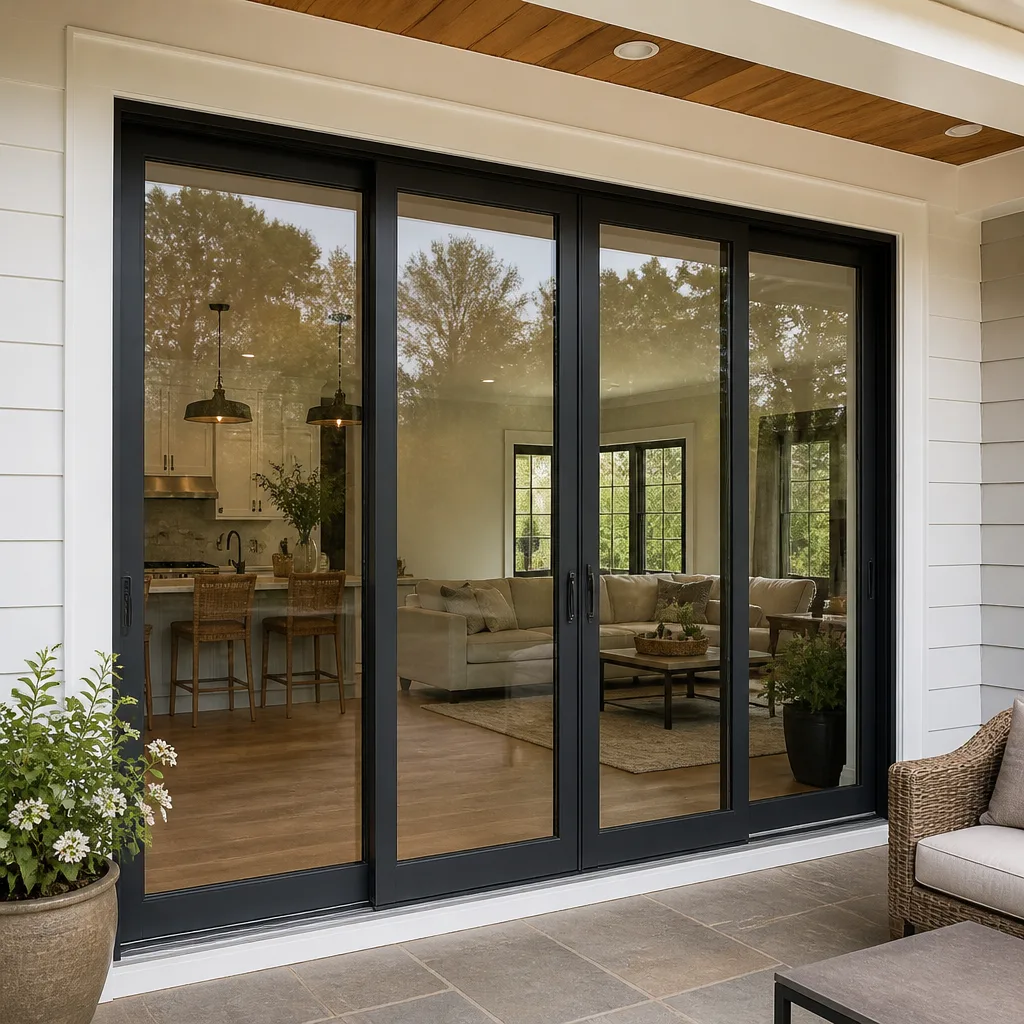 Sliding glass doors
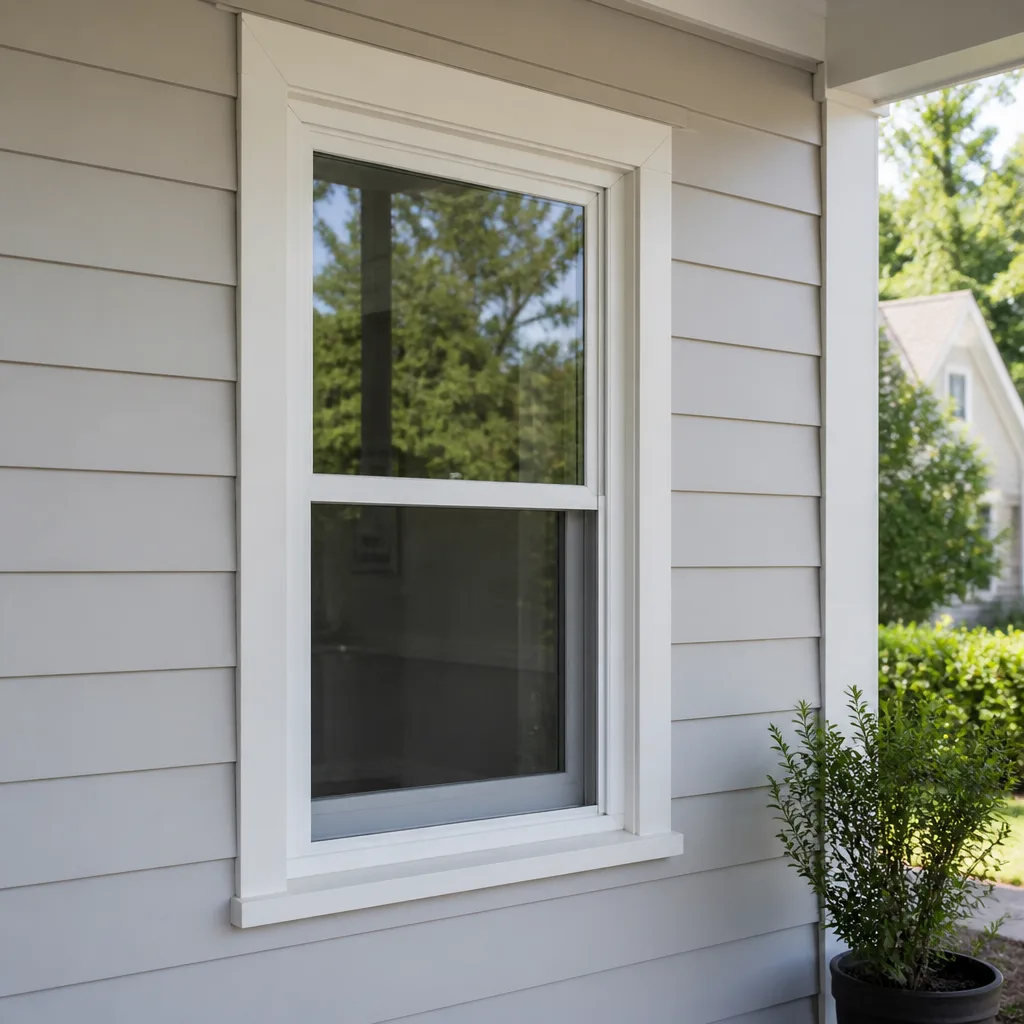 Single hung
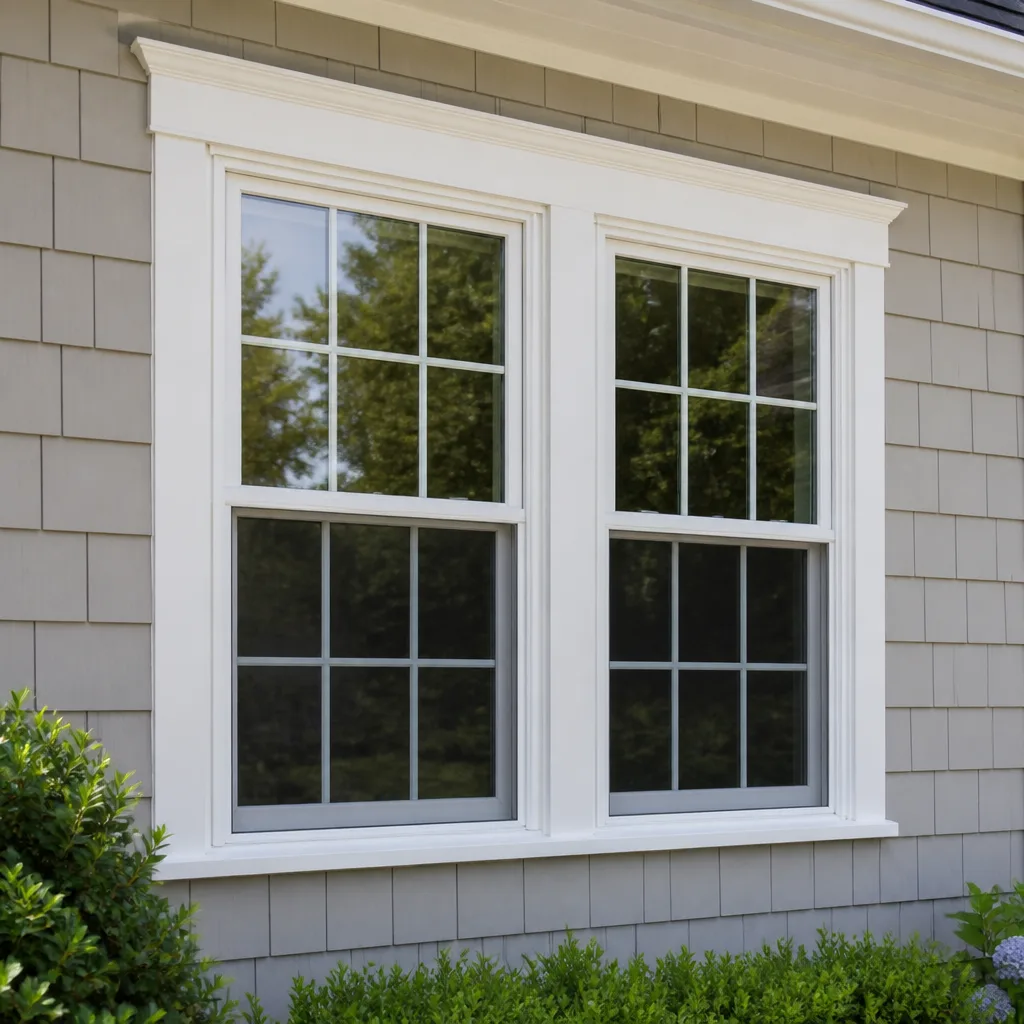 Double hung
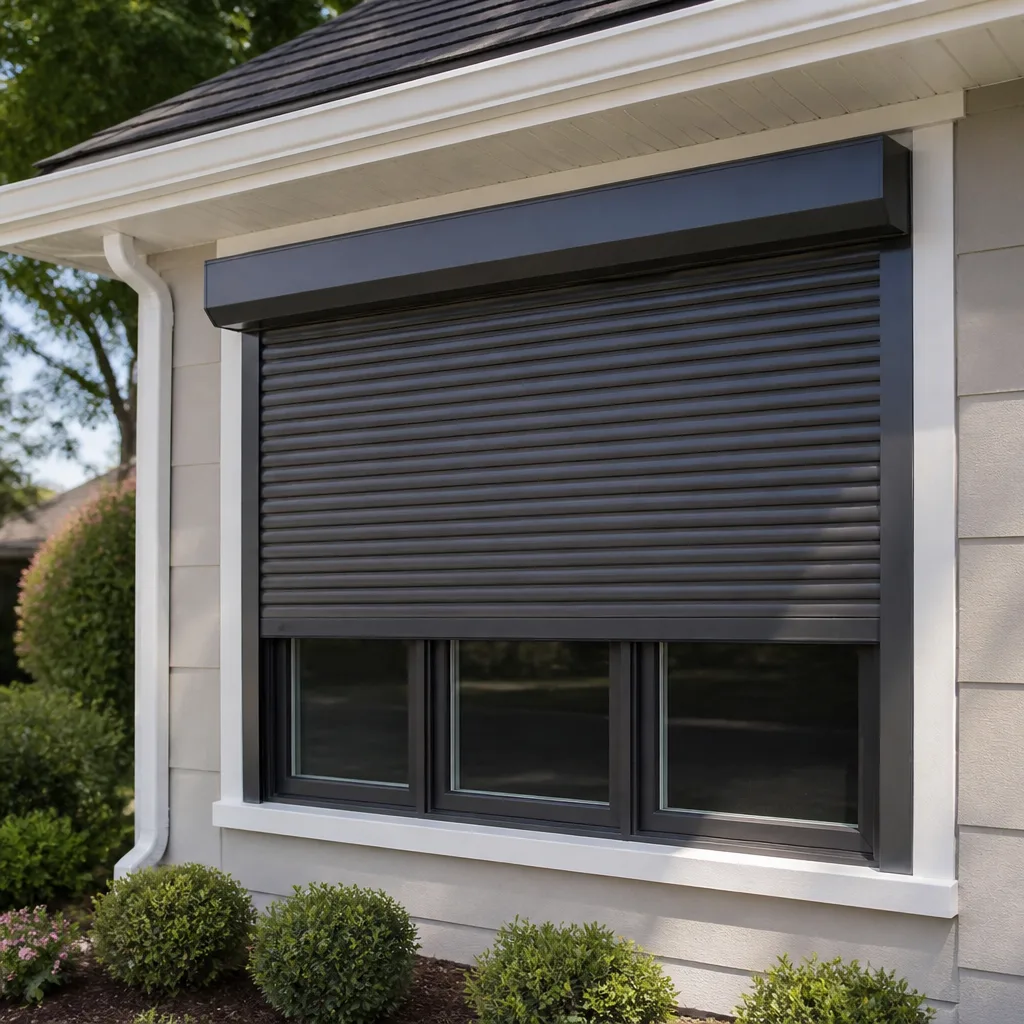 Horizontal roller
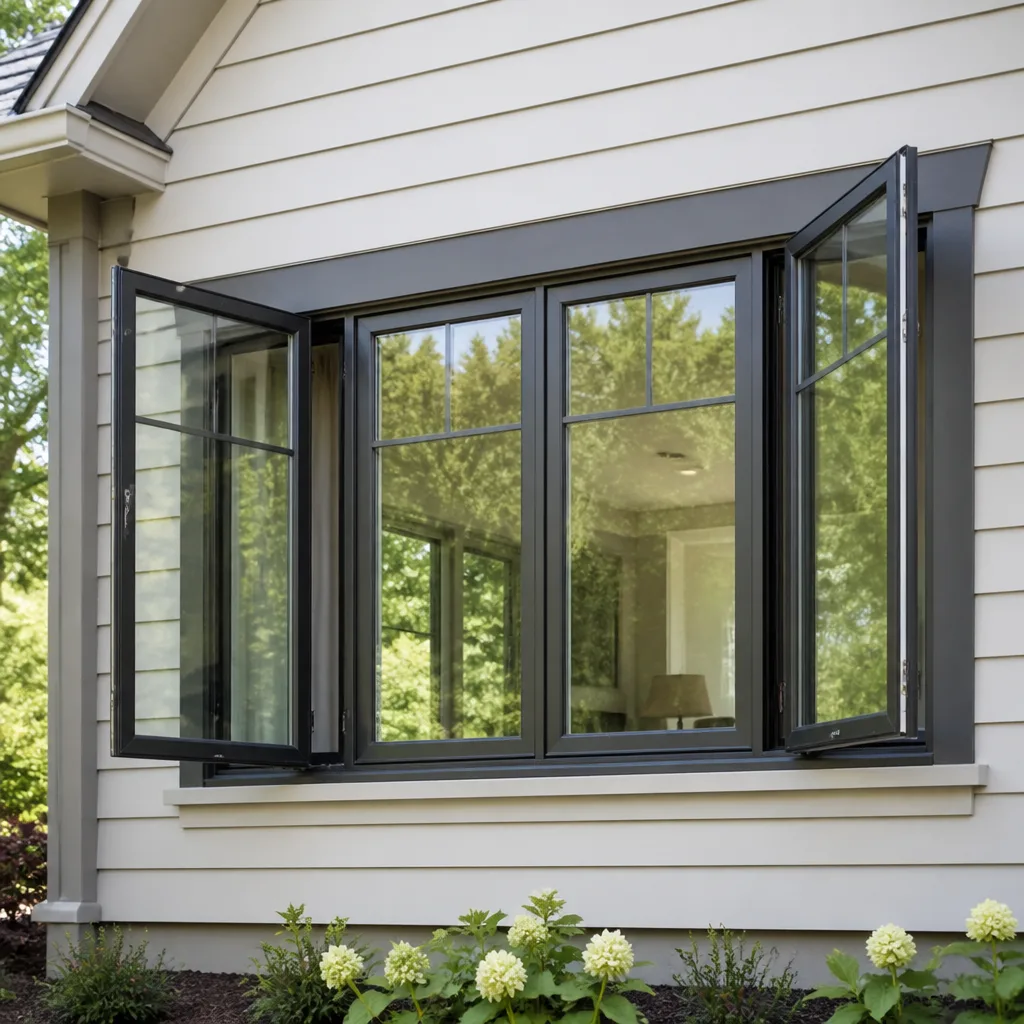 Casement
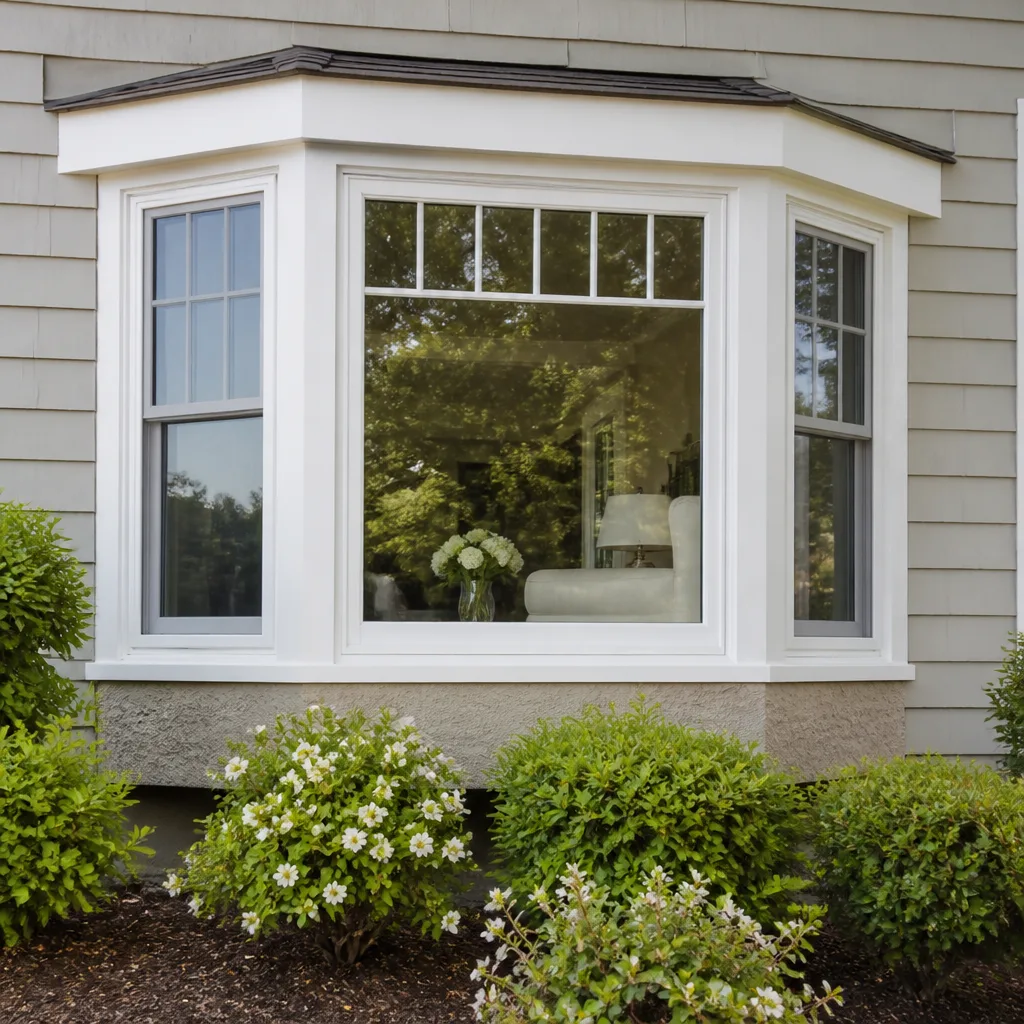 Bay & bow
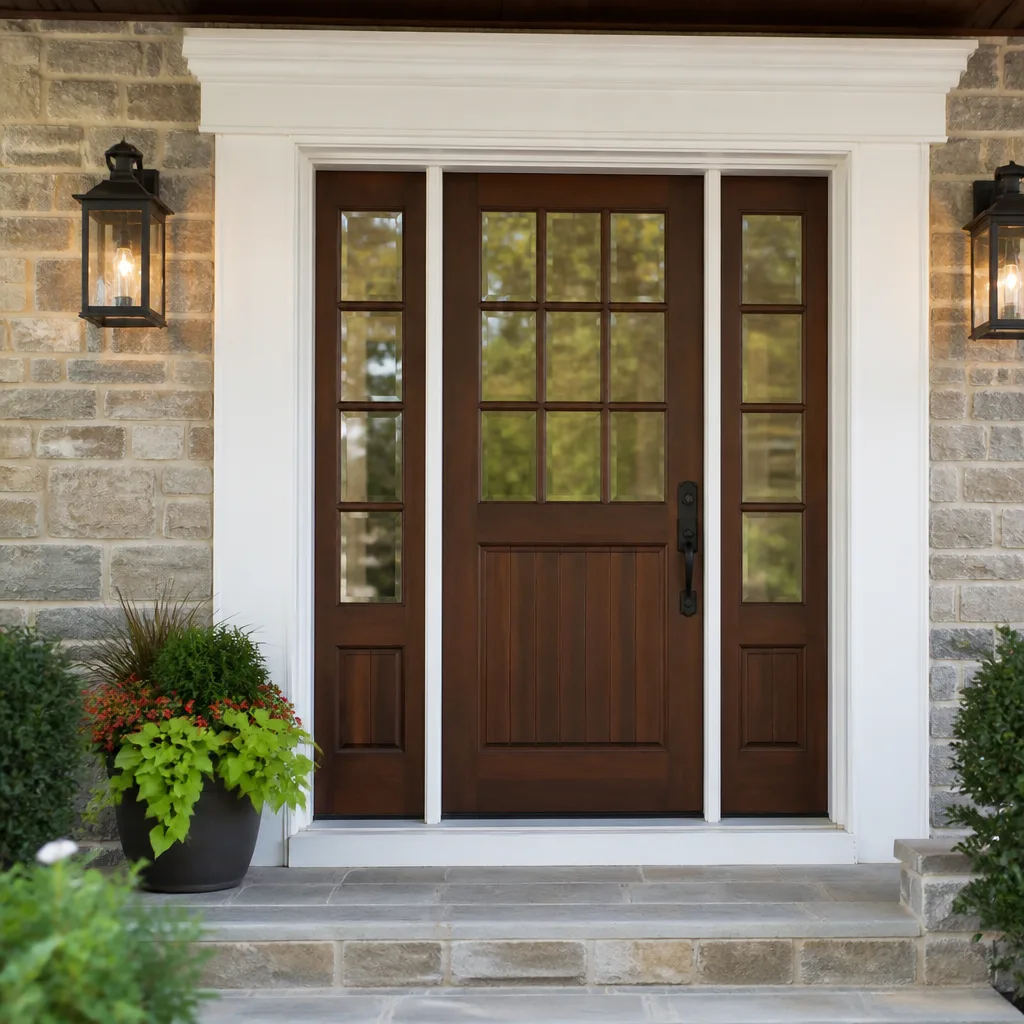 Entry doors
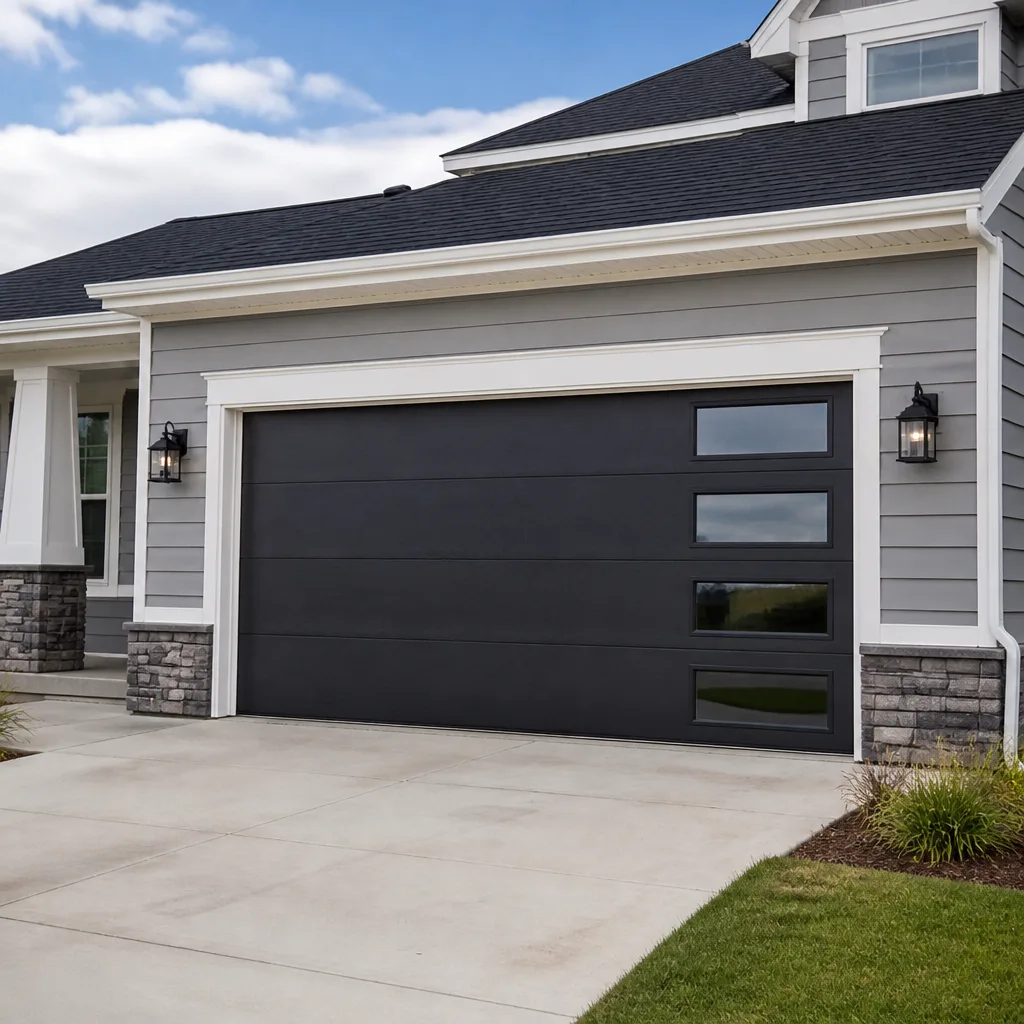 Impact garage doors
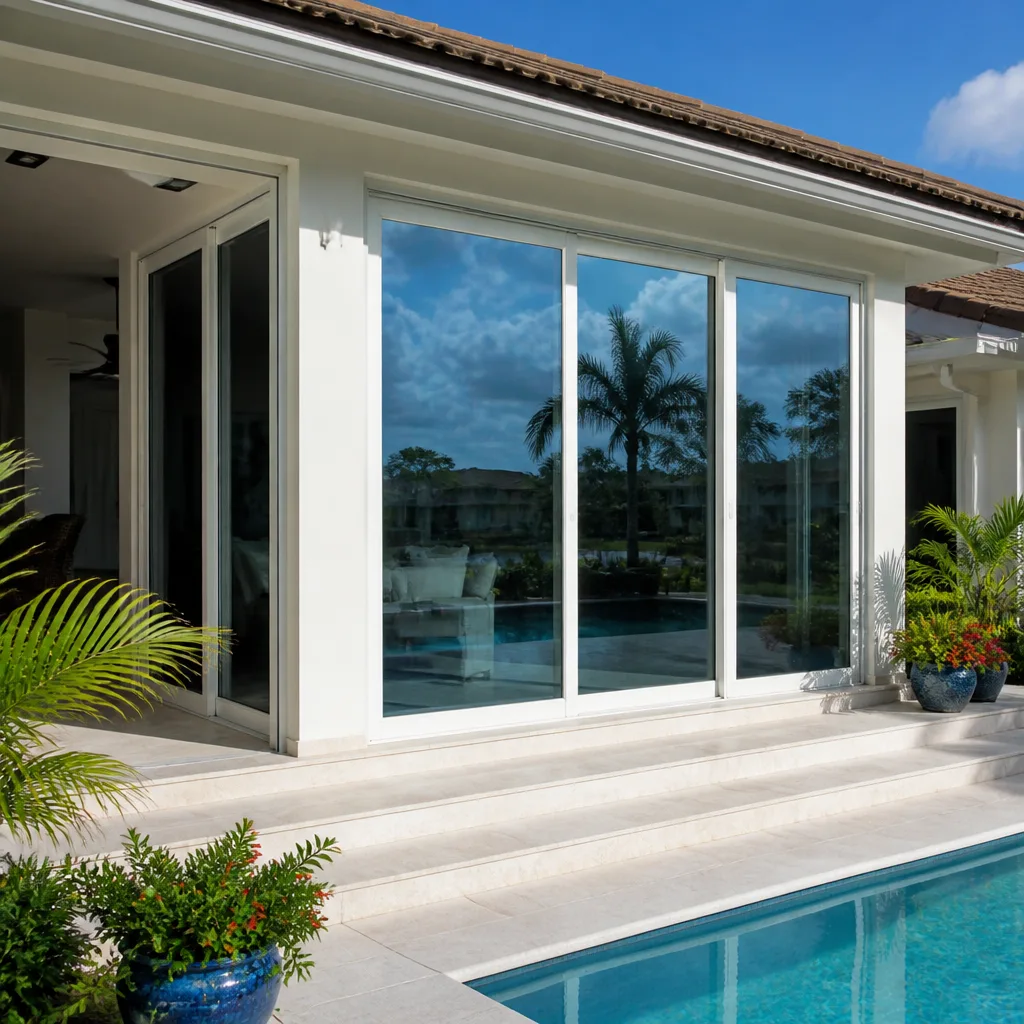 PGT
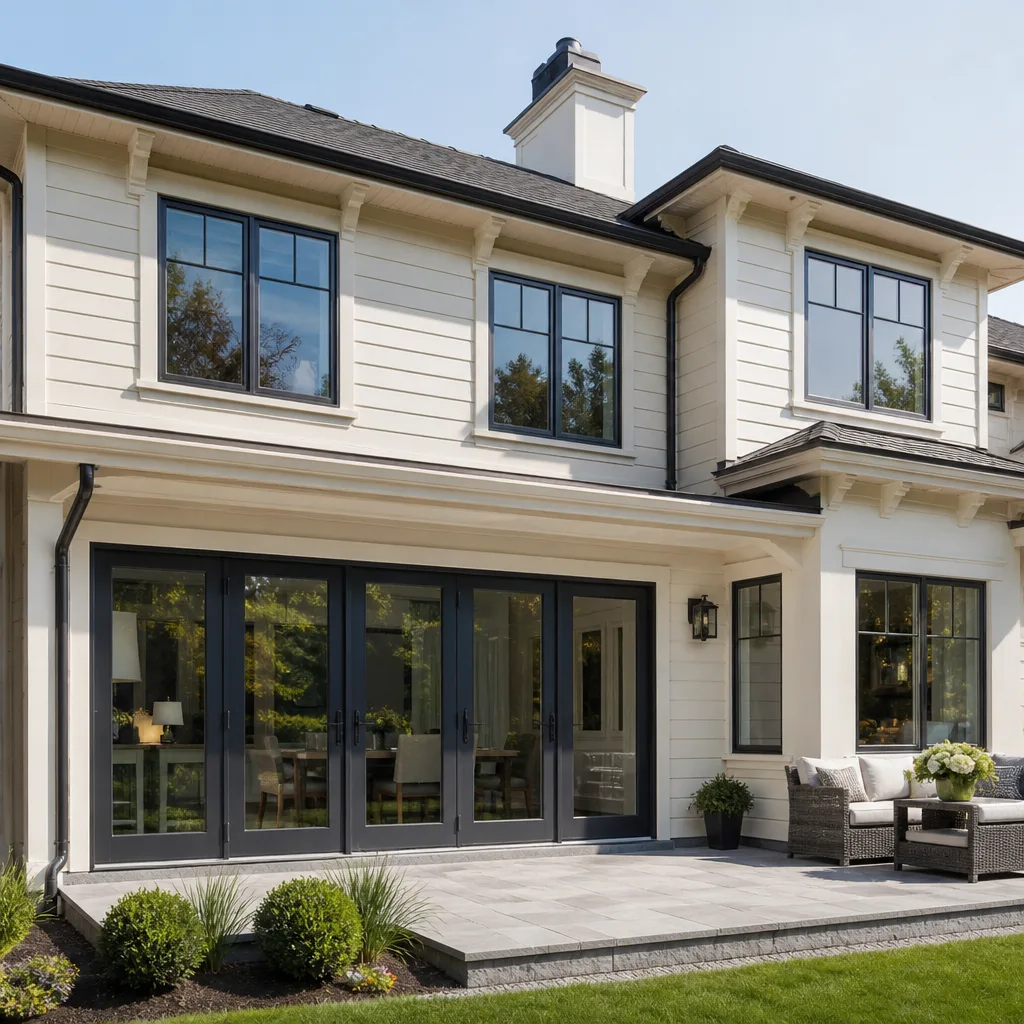 CGI
Free in-home measure and quote - PGT, CGI and CWS impact lines compared on your actual openings, style by style
Get your free estimateHow to Hire a Windows & Doors Contractor in Enterprise: A Step-by-Step Guide
Most homeowners in Enterprise assume the hard part of a window or door project is choosing the product. It isn’t. Nevada’s contractor licensing system lets several license classes legally hang a window, including trades whose real business is cabinetry or general carpentry. That means a contractor with a perfectly valid license can still be a poor fit when the day comes to register a warranty or pass a final inspection. This guide walks through the questions to ask before you sign, the license details worth checking, the contract clauses that protect you years later, and how to tell a true installation specialist from a generalist who also does windows.
Quick Answer
To hire a windows and doors contractor in Enterprise, verify the contractor’s Nevada State Contractors Board license classification for the actual scope of the work, confirm documented manufacturer-certified installer status for the brand being installed, and insist on a written contract that names who pulls permits, who assigns the warranty, and how cleanup is handled. Price should be the last thing you compare, not the first.
Styles & brands we work with
- Single hung
- Double hung
- Horizontal roller
- Casement
- Bay & bow
- Sliding glass doors
- Entry doors
- Impact garage doors
- PGT
- CGI
Table of Contents
- Which Nevada license classifications actually apply to window and door work?
- How do you tell a specialist from a generalist?
- What does manufacturer-certified installer status actually buy you?
- Why is the lowest bid in Enterprise often a warning sign?
- What belongs in the contract before work starts?
- How many brands should an installer carry?
- How does the Enterprise climate shape product choice?
- The step-by-step hiring process, start to finish
Which Nevada license classifications actually apply to window and door work?
The Nevada State Contractors Board issues dozens of license classifications, and window and door installation can fall under more than one of them depending on how the job is scoped. A contractor whose license is technically valid may still be operating well outside the specialty you need. Before you sign anything, ask for the license number and look up the classification directly on the Board’s website rather than taking a business card at face value.
Here’s the distinction that matters most for an Enterprise homeowner:
- C-3 Carpentry covers rough and finish carpentry, and it technically permits window installation. That’s a real license, but a C-3 contractor may spend most of their working life on cabinetry, framing, or millwork. Window and door installation is a side job for them.
- Residential remodeling classifications are broad by design. They let a contractor take on kitchens, bathrooms, additions, and window work. Breadth is not a flaw, but it usually means the crew installing your windows is general labor rather than a window specialist.
- Specialty glazing and door installation classifications sit closer to the actual work. These contractors live in the details of flashing, shimming, sealing, and manufacturer installation instructions.
- Unlicensed or “handyman” arrangement is the constant red flag. If a bid is presented without a license number on paper, decline it. Nevada requires licensing for work above a low threshold, and an unlicensed installer can void your manufacturer warranty and create resale problems.
Ask the question directly: “What is your license classification, and is window and door installation a primary part of your business?” A specialist answers without hesitation. A generalist tends to pivot to a general pitch about reliability instead.
Enterprise Windows & Doors works exclusively on window replacement, window installation, and door installation, so the license question and the trade question point to the same answer.
How do you tell a specialist from a generalist?
A specialist knows the difference between a brand and a product line, quotes install instructions for each system, and can tell you which glazing options perform better in Enterprise’s summer heat. A generalist quotes one window and one price. Use the questions below in the interview, and listen for how quickly the answers come.
- “How many brands do you install, and why those?” A specialist with multiple lines gives you a reason tied to your home’s needs. A generalist who installs one brand often has no way to recommend anything else.
- “Do you handle both window and door openings?” If doors are outsourced to a subcontractor, the warranty conversation gets split between two companies. One installer for both openings keeps responsibility clear.
- “What is your installation method, and how do you flash and seal?” A specialist describes a specific sequence: sill pan, flashing tape, shimming plane, foam, and sealing. A generalist answers in vague terms.
- “Who pulls the permit?” A specialist pulls it in their own name. A generalist sometimes asks you to pull it, which shifts liability onto you.
- “Are you certified by the brand you’re proposing?” Specialists can name their certifications. Generalists disappear behind “we’re experienced.”
Window work is not the same skill as cabinet work or drywall, even though a C-3 license permits it. If you’re weighing the options for a full project, our guide to window replacement explains what a proper scope covers from the first measurement to the final inspection, which is the level of detail a specialist should walk you through before signing.
What does manufacturer-certified installer status actually buy you?
Manufacturer certification is documentation that a dealer has been trained, insured, and approved by the brand to install its products correctly. It affects warranty validity, and it also affects how a warranty claim is handled years later. Most homeowners never think to ask for it. The ones who do are the ones whose claim is honored when a sealed unit fails.
Two things to ask for in writing before work begins:
- Written confirmation of authorized dealer or certified installer status for the specific brand and product being installed, not a verbal assurance. If a brand’s long-term warranty is limited to installations by authorized installers, the document is what protects you.
- The exact model number or product code of every unit listed on the contract, along with the brand name. This is what you submit with a warranty claim in future, and it’s what proves which product was actually installed.
Brands differ in how they structure installer programs. A Therma-Tru door system, for instance, comes with its own installation expectations and warranty registration process, and that registration usually needs to be filed by the installer rather than the homeowner. Ask who registers the product. If your installer can’t answer, that’s a warning. PGT and CGI operate similar programs on the impact-rated side. Enterprise Windows & Doors is an authorized dealer and installer for eight named brands, which means the certification question can be answered for any of them on paper before work begins.
Ask to see the certification document, not just a logo on a van. That’s the difference between a marketing claim and a documented program.
Why is the lowest bid in Enterprise often a warning sign?
The lowest bid is frequently lower because something was left out, and the three usual omissions are the permit, the warranty registration, and the cleanup. Each of those costs money to do correctly. An installer who skips them isn’t offering a better deal, they’re shifting the cost to you later.
Here’s what a non-permitted installation actually means after the job is done:
- Resale disclosure. When you sell, the buyer’s inspector may find work with no permit. In some cases, sale of the property can be delayed until the work is inspected and brought into compliance, at your expense.
- Warranty risk. Most manufacturers require installation per their published instructions by an authorized installer. A non-permitted, non-certified install can void the labor portion of a warranty, sometimes the product portion too.
- Insurance gaps. If a water leak from a poorly sealed opening damages interior finishes, your homeowner’s policy handler will ask who installed the windows and whether the work was permitted. An unpermitted installation can complicate the claim.
- Re-inspection. Getting a non-permitted job legalized after the fact can require opening walls, replacing flashing, or sometimes removing and reinstalling the unit.
Ask each bidder to state in writing: “We will pull the permit, in our name, at our cost, and provide the inspection sign-off.” Cross that line out of any bid that won’t say it. That single test tells you more about a contractor than the quote itself. Our guide to window installation shows what a properly permitted installation looks like from measurement through final inspection.
What belongs in the contract before work starts?
Most homeowners sign without reading the contract’s scope section carefully. The five things below should be on the page, in plain language, before you pay a deposit.
- Exact scope of work. Every opening listed by room and location, with the brand, model number, size, and material for each. Trims, interior casing, exterior flashing, sills, and finish work named individually. “Install windows” is not a scope.
- Permit responsibility. A single line naming the permit holder and stating that permit costs are included in the quoted price. If it isn’t in the contract, it isn’t covered.
- Warranty assignment in writing. The manufacturer’s product warranty terms, the installer’s own workmanship warranty terms, and a line confirming both are transferable to you as the property owner. Ask for the warranty documents, not just a promise.
- Cleanup and haul-away. Old windows and doors removed, debris hauled away, interior protected, and final walkthrough scheduled. Surprises show up here more often than anywhere else.
- Change order language. How unexpected conditions, like a rotted sill or out-of-square opening, are priced and approved before extra work proceeds. A written line-item quote with no surprise change orders is what you want to see.
Add a final line: “Final payment is due only after the fieldwork is complete, the inspection has passed, and the warranty documents are delivered.” A contractor confident in their work has no reason to refuse. One who does just told you something.
How many brands should a windows and doors contractor carry?
Ask how many brands a contractor installs, and pay attention to how they answer. A dealer who carries one brand has only one product to recommend, whether or not it fits your home. Two or three is better. A specialist working with a broad lineup can actually match the product to the project instead of matching the project to whatever is on hand.
A well-rounded lineup usually covers three needs:
- Impact-rated protection for homeowners who want high-performance glass. Brands like PGT and CGI sit in this category, and they’re built to different specs than standard non-impact units.
- Energy efficiency for homes focused on cooling loads and utility bills. ECO Window Systems sits here, with product lines tuned for those requirements.
- Design-forward door systems where the door is the visual element of the front elevation. Therma-Tru is a well-known entry door brand, and CWS, ES Windows, Mr-Glass, and ViewLux round out the range.
A single-brand dealer will tell you their product solves all three needs. Ask them: “If impact glass is not what I need, what’s your alternative?” If the answer is the same product with a different tint, you’ve learned the whole story. Enterprise Windows & Doors works off eight brands for exactly this reason. The right product for your home is rarely the only one a contractor stocks.
How does the Enterprise climate shape product choice?
Enterprise sits in a desert valley where summer temperatures routinely push past 100°F and the sun, not the rain, does most of the damage to an aging window. Good hiring decisions start with product choices that respect that. A contractor who recommends the same window in Enterprise as they would in a coastal market isn’t matching the product to the climate.
Three things to ask about specifically:
- Solar heat gain and glass coating. South- and west-facing windows take the hardest hit from direct sun. Ask which glazing option the contractor recommends for those sides of your home and why. A specialist answers with options; a generalist quotes the base model.
- Dust and wind. Desert wind carries fine dust, and gaps in flashing or seals fill with it over time. A proper installation with a sill pan and flashing tape handles that. So does a door with a properly configured sill and weatherstripping, and Enterprise homeowners should ask how the installer seals the threshold and jamb.
- Temperature swing at the exterior. The difference between an afternoon high and an overnight low is large here, and low-quality seals fail under repetitive expansion and contraction. Ask about the manufacturer’s product rating rather than accepting a generic answer.
None of this requires an engineering degree to evaluate. It requires a contractor who can explain why they recommend a specific PGT or ViewLux line for your home rather than handing you a single quote and a deposit request. The right specialist will cover all of this during a free estimate and put the recommendations in writing before you commit. For a broader look at where these projects fit into homes across the valley, our Enterprise guide covers the residential landscape that shapes installation choices.
The step-by-step hiring process, start to finish
Here is the sequence that protects you, in order. Each step builds on the one before it.
- Define your project in writing. List every opening, its rough size, whether you’re replacing the window (matching the existing opening) or installing a new one (altering the wall), and your budget range. Being clear about this upfront filters out generalists who would have quoted you a generic number.
- Verify license classification on the Nevada State Contractors Board site. Look up each contractor’s license number and confirm the classification actually covers window and door work. Note the license status is current, not expired or suspended.
- Request authorized installer documentation for the specific brand being proposed. Verbal assurance is not documentation.
- Get at least three written line-item estimates. One line per opening, brand and model listed, permit costs included, cleanup included. Apples to apples only.
- Read the contract against the checklist. Scope, permit responsibility, warranty assignment, cleanup, and change order language, as covered earlier in this guide.
- Confirm the permit will be pulled before work starts. Ask for the permit number once it is issued, and ask which inspection will happen at the end.
- Do a walkthrough at completion. Check every opening for operation, alignment, seal, and finish. Confirm warranty documents are delivered before the final payment.
This process takes more effort than calling one number and accepting the first bid. It’s also the difference between a project that closes out cleanly and a project that surfaces problems during a future home sale. Enterprise Windows & Doors runs this process with every Enterprise homeowner we quote for, and it costs nothing to have the conversation. If you want the version of this process tailored to your home, call Enterprise Windows & Doors and set up a free estimate.
Common Mistakes to Avoid
- Accepting a license number without verifying the classification. A C-3 carpentry license is a real license, but it doesn’t make the holder a window and door specialist. Look up the classification before you trust the number.
- Comparing bids on price alone. Two quotes with different scopes aren’t comparable. One may include the permit and warranty registration; the other may not. Line up the scopes first, then compare the totals.
- Skipping the warranty registration question. If your installer doesn’t file the registration for the product, some manufacturers won’t honor a future claim. Confirm who registers it and get the registration number.
- Letting the installer leave the permit to you. A homeowner-pulled permit puts you on the hook for compliance and remodels your relationship with the inspecting authority. Say no to this once, and the contractor’s response tells you everything.
- Choosing the brand before you understand the product. Homeowners often walk in asking for a specific brand they heard of, when the recommendation should come from their home’s orientation, the opening’s exposure, and the performance target. Let the specialist match the product to the opening.
- Ignoring the interior finish. Installation often requires trim work and drywall touch-up. If the scope doesn’t mention it, you may be finishing the job yourself or paying for it separately.
- Skipping the walkthrough. A final walkthrough catches operation problems, misaligned units, and seal issues while the installer is still on site. Schedule it in writing before work starts.
See the difference
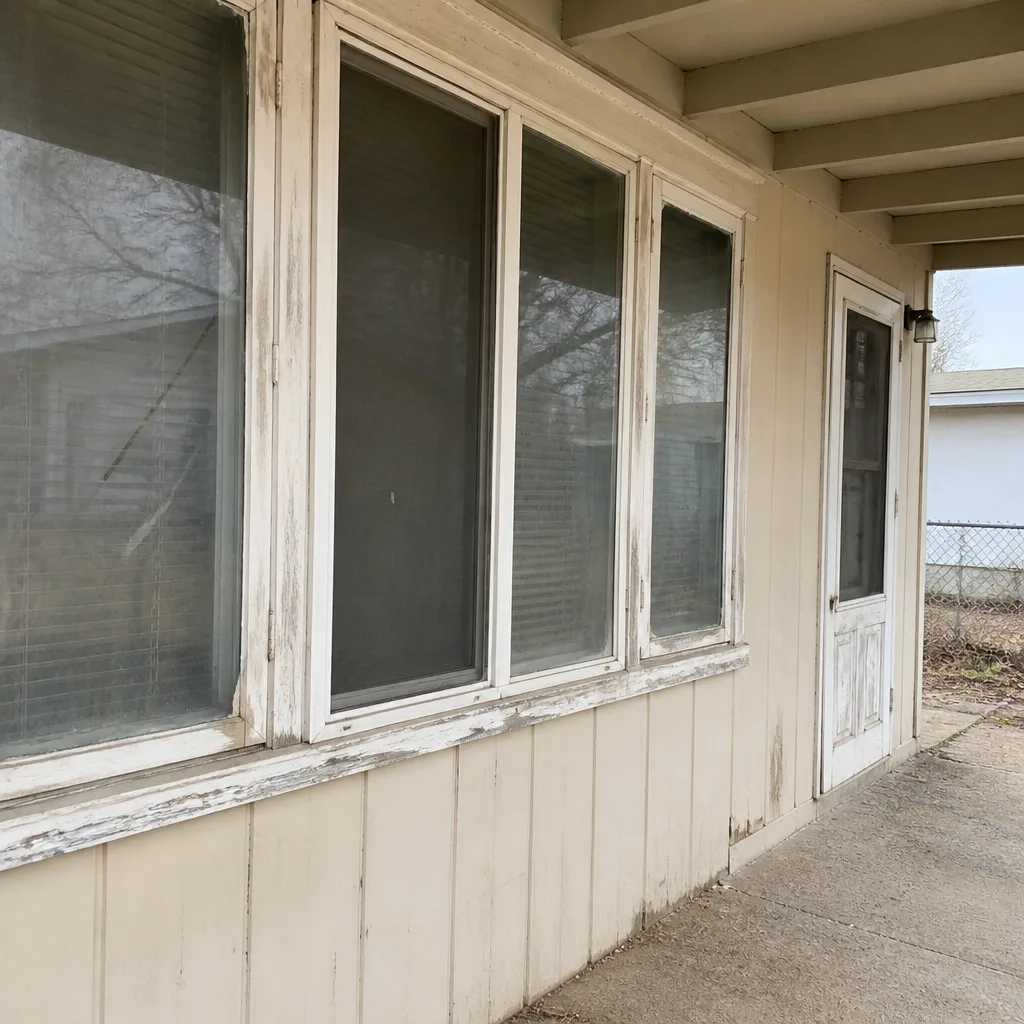 Before
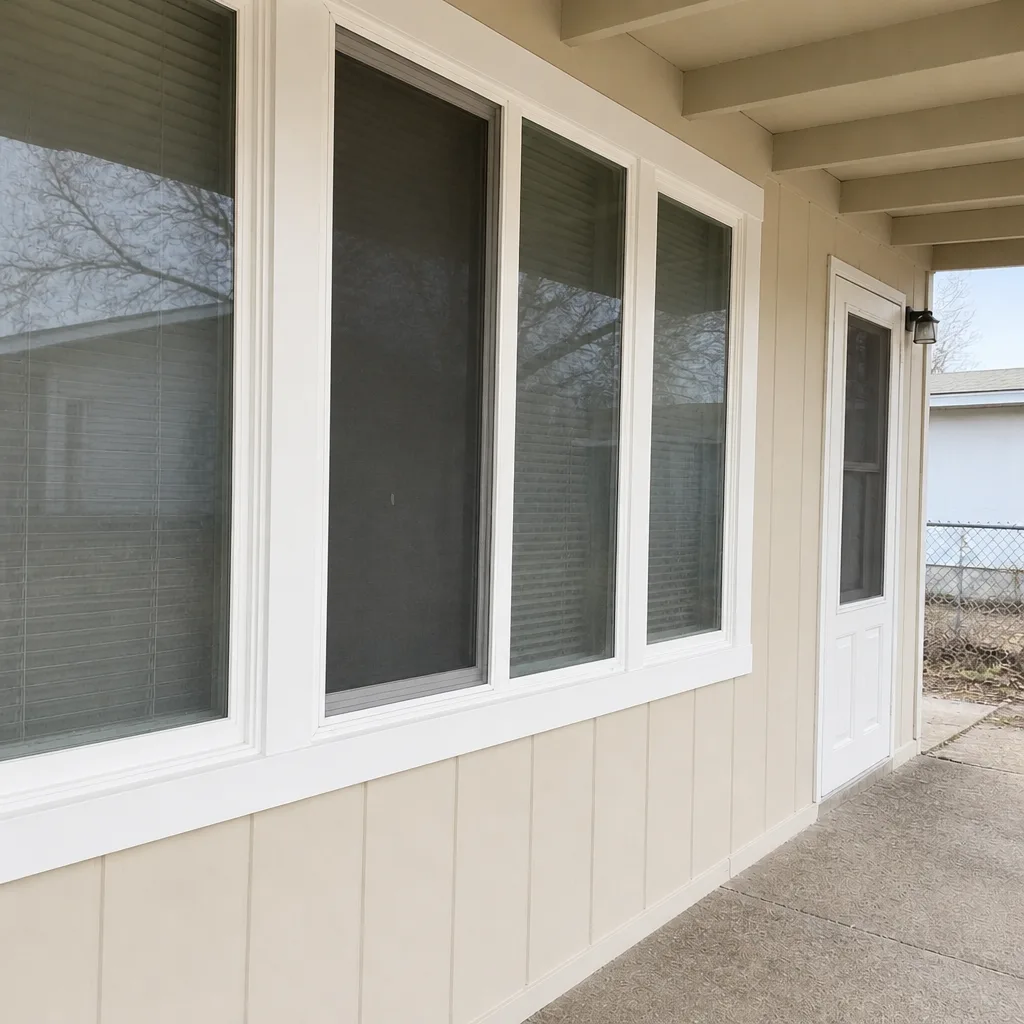 After
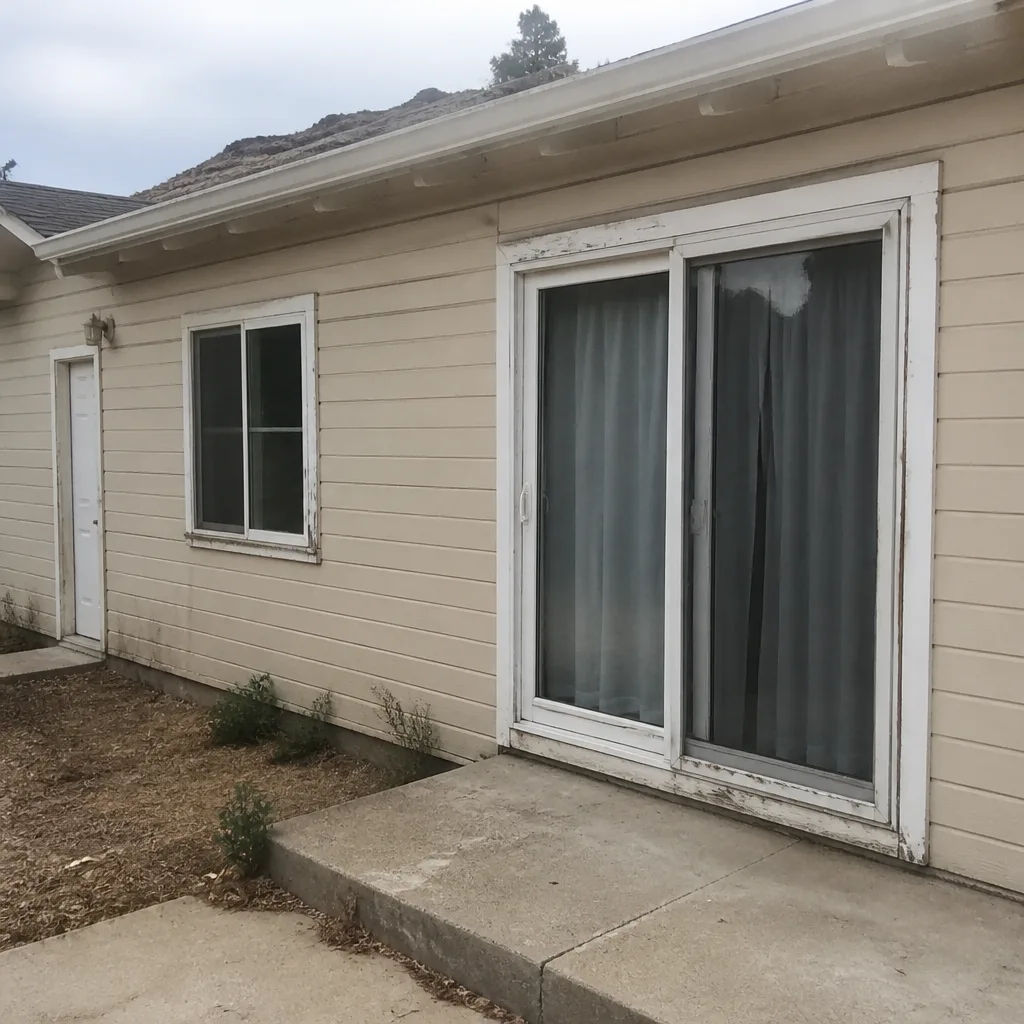 Before
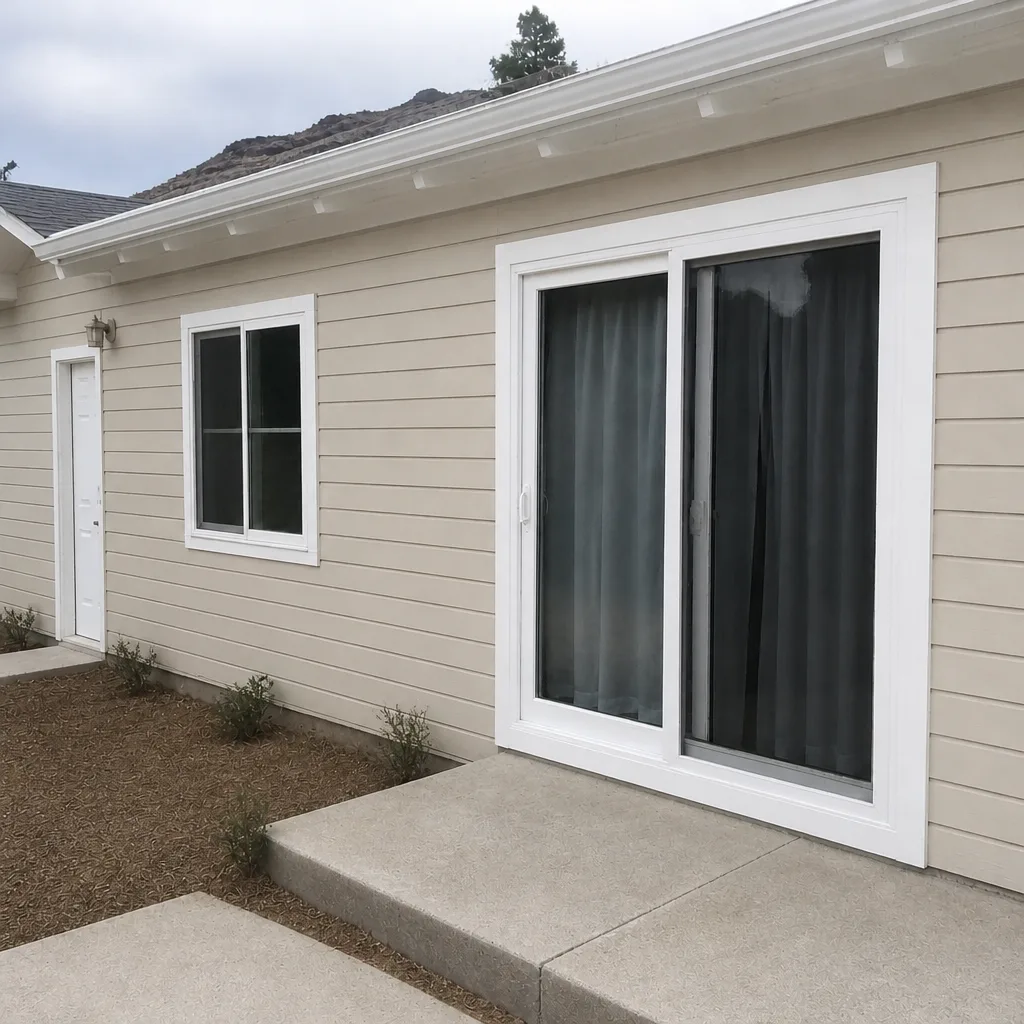 After
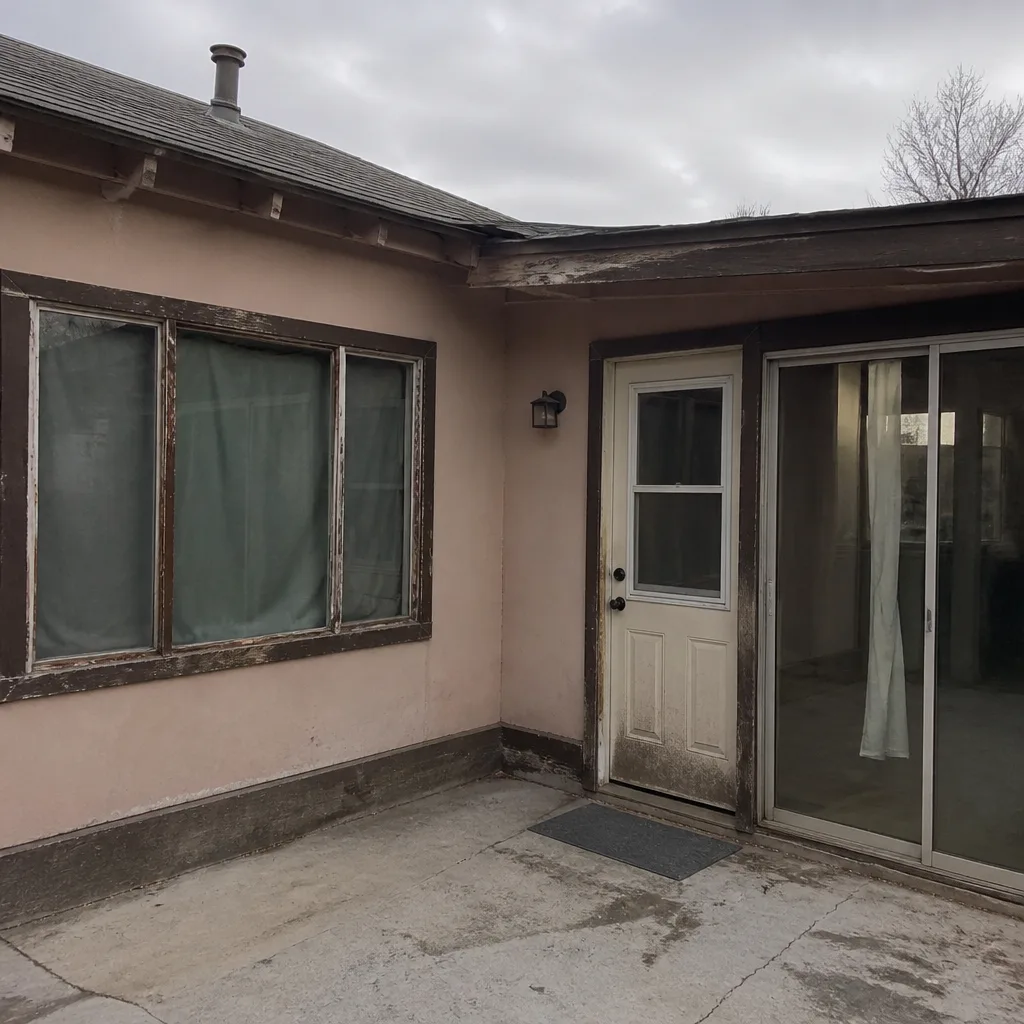 Before
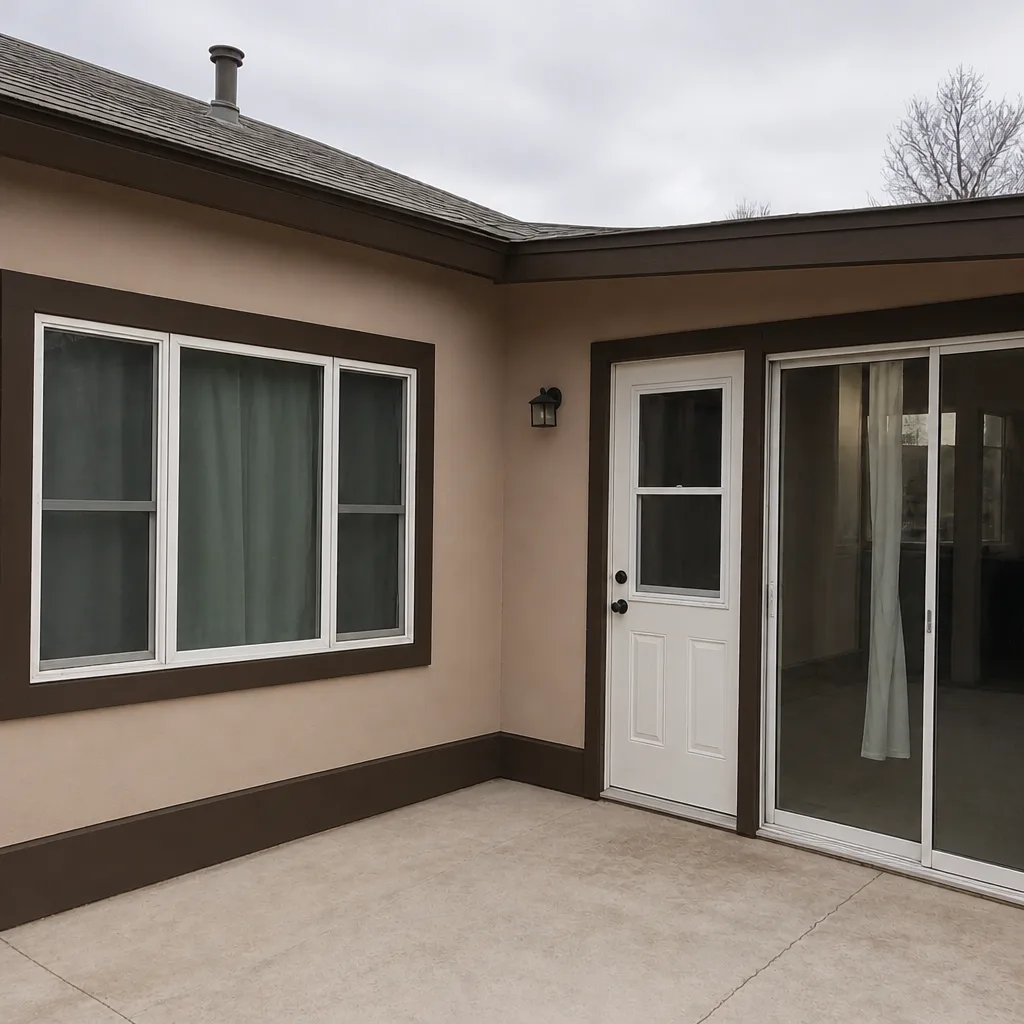 After
When to Call a Professional
Some window and door issues are worth a call to a specialist rather than a weekend of your own time. If a unit fogs between the panes, the sealed glass unit has failed, and repairing it correctly means replacing the insulated glass assembly, not the whole window. Drafts that appear at jambs and sills usually point to a failed seal or a missing flashing detail from an earlier install. Sticking or misaligned operation often indicates the opening has shifted, which is a measurement and installation issue, not a product issue. Doors that drag on the threshold, lock bolts that no longer line up, and daylight visible around a closed door are all signs the installation tolerances were off. Any of these in an Enterprise home is a reason to get an expert opinion rather than a DIY fix. Replacing an older single-pane window or an aging door in a hot valley climate pays back across the life of the opening, and getting it right the first time matters more than saving a day of work. Enterprise Windows & Doors offers free estimates in Enterprise. Call (877) 558-4821 to set one up.
Frequently Asked Questions
In Nevada, window and door installation can fall under more than one license classification, including C-3 carpentry and residential remodeling, so the license number alone doesn’t tell you whether the contractor specializes in windows and doors. Verify the specific classification on the Nevada State Contractors Board website, then ask whether the trade is a primary focus or a side job. Enterprise Windows & Doors focuses exclusively on windows and doors, so the specialty question is answered by the license classification and by the work scope. Call (877) 558-4821 to schedule a free estimate.
Window replacement pricing in Enterprise depends on the number of openings, the brand and product line, glazing options like impact or energy-efficient configurations, and the condition of the existing opening. Because the product range is broad, there is no single quote that fits every home, which is why we give written line-item estimates per opening after seeing the property. The estimate is free and the written quote sets the final price. Call (877) 558-4821 to get one.
Yes. Most manufacturers require installation by an authorized or certified installer per their published instructions for the full warranty to apply, and registration typically needs to be filed by the installer rather than the homeowner. Ask for written documentation of the certification for the specific brand being installed, and ask who submits the registration. Enterprise Windows & Doors is an authorized dealer and installer for eight brands, so the certification status can be confirmed in writing before work starts. Call (877) 558-4821 for details.
It shouldn’t. A written line-item quote with no surprise change orders is what you should be offered, and any unexpected condition such as a rotted sill or an out-of-square opening gets priced and approved in writing before extra work proceeds. If a contractor won’t commit to that in the contract, that’s a signal. Enterprise Windows & Doors provides written line-item quotes, and the written estimate sets the final price. Call (877) 558-4821 to schedule a free estimate.
Yes. We pull the permit in our name and at our cost, and the final inspection is part of the job. A permit pulled in the homeowner’s name shifts compliance responsibility onto you, which is why we don’t offer that arrangement. If you are comparing quotes, ask each contractor to put the permit responsibility in writing. Call (877) 558-4821 to talk through the process for your home.
Timing depends on the scope and product lead time. A small number of replacement windows typically completes in a much shorter window than a whole-home retrofit that includes doors, and some products ship faster than others depending on the brand. We go through the schedule with you during the estimate and put the expected timeline in writing before you commit. Call (877) 558-4821 to book a free estimate and get a timeline for your project.
The Bottom Line
The most expensive hiring mistake in Enterprise isn’t picking the wrong brand. It’s hiring a generalist who treats window and door work as a secondary trade, and discovering the gaps in warranty registration, permit coverage, and code compliance only after the job is done. The fix is simple: verify the license classification, ask the five interview questions, confirm authorized installer status in writing, compare line-item bids with permits included, and read the contract against the checklist before you sign anything. A specialist handles all of it without prompting. Enterprise Windows & Doors works exclusively on windows and doors and installs eight brands, from PGT and CGI for impact-rated requirements to Therma-Tru for premium door systems. Call (877) 558-4821 for a free estimate. We answer 24/7. Fast dispatch from 7am to 7pm, Sunday through Friday.
Written by the team at Enterprise Windows & Doors.