Last updated November 18, 2026
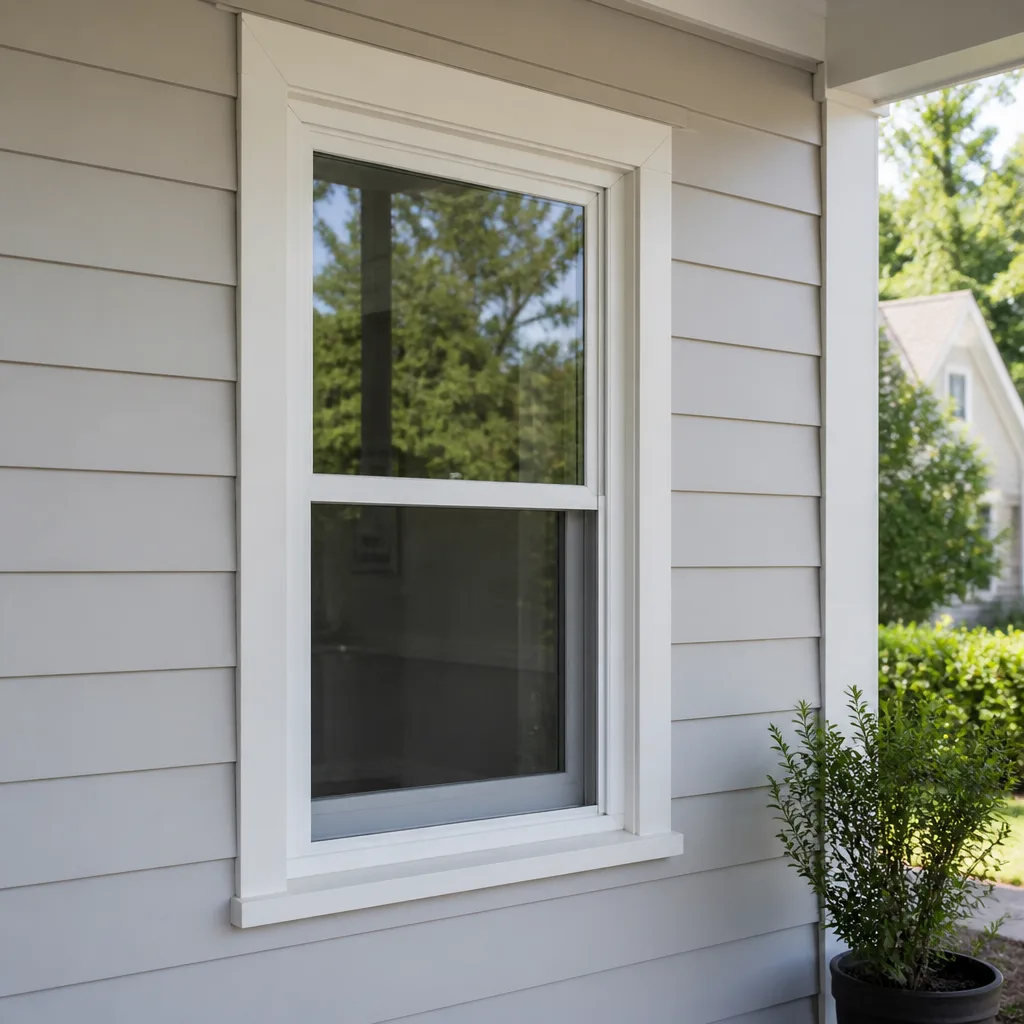 Single hung
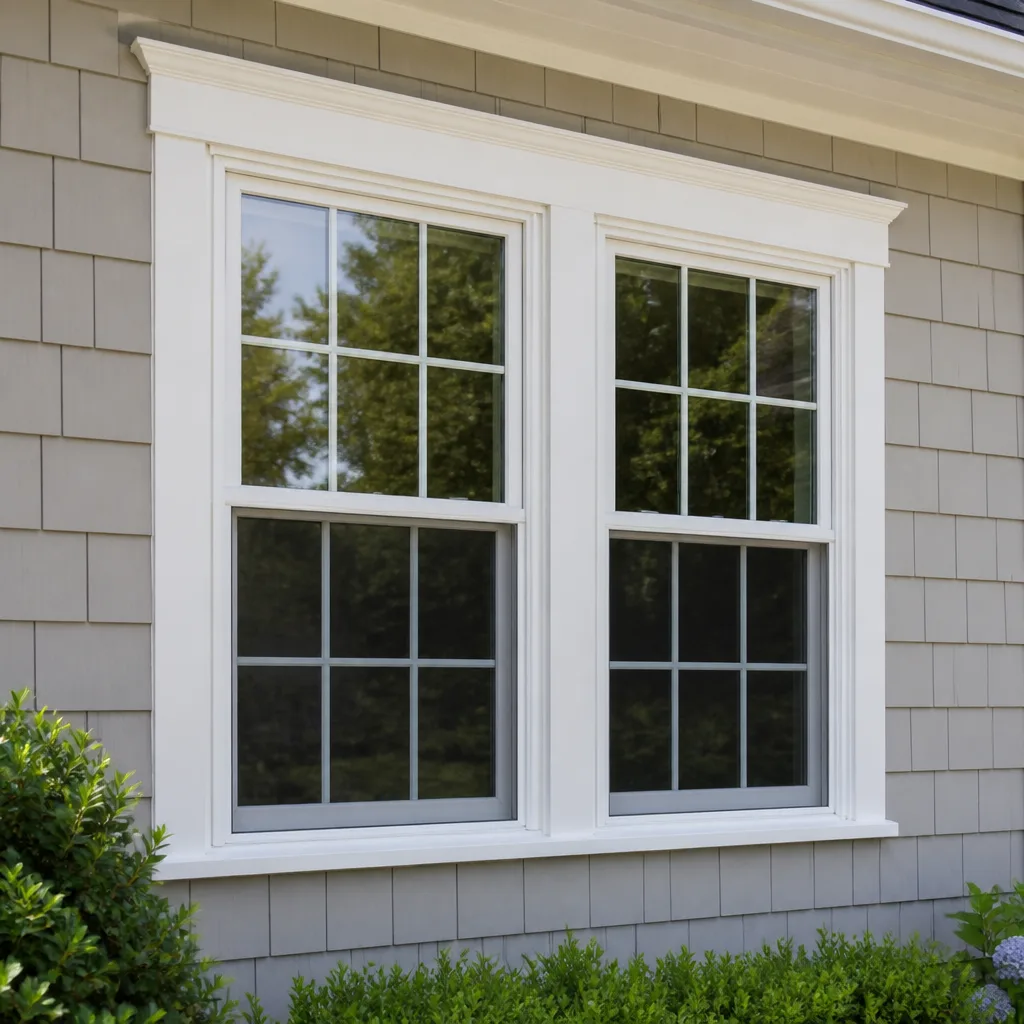 Double hung
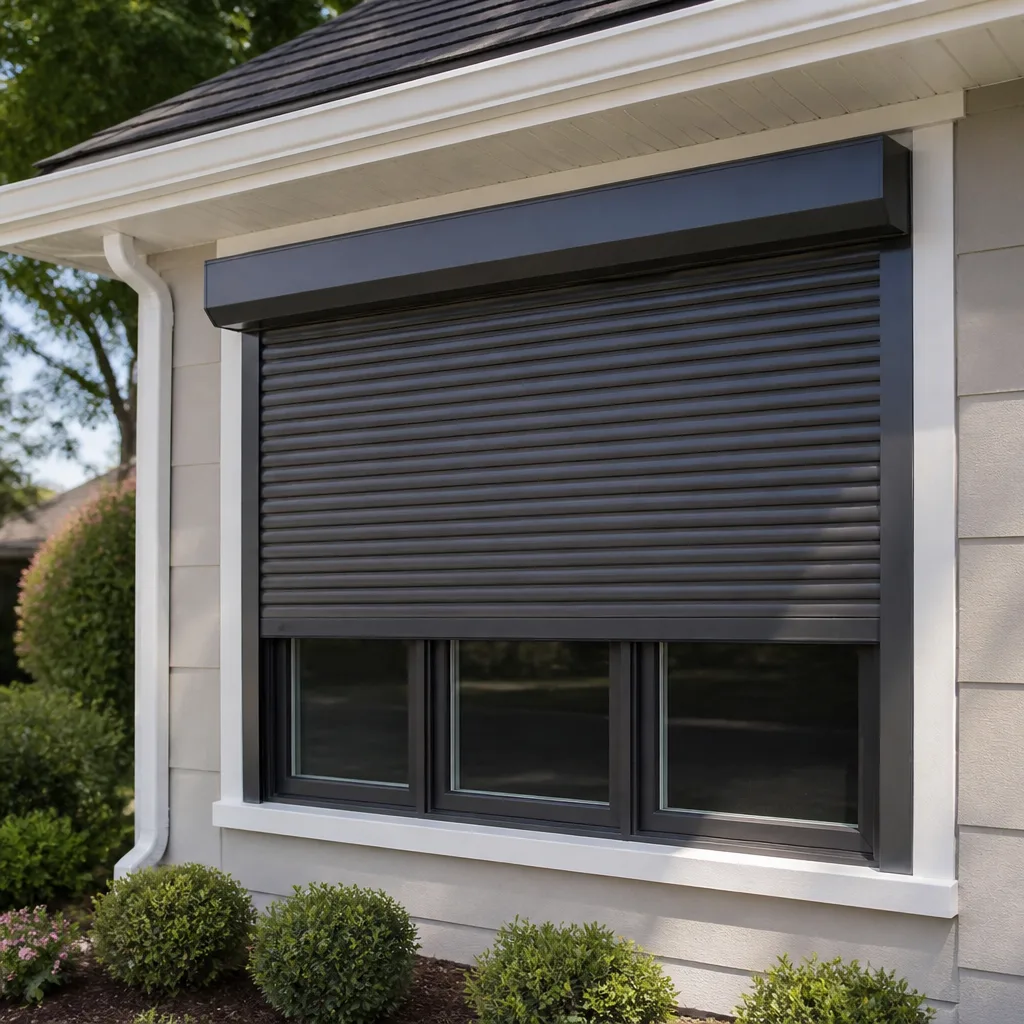 Horizontal roller
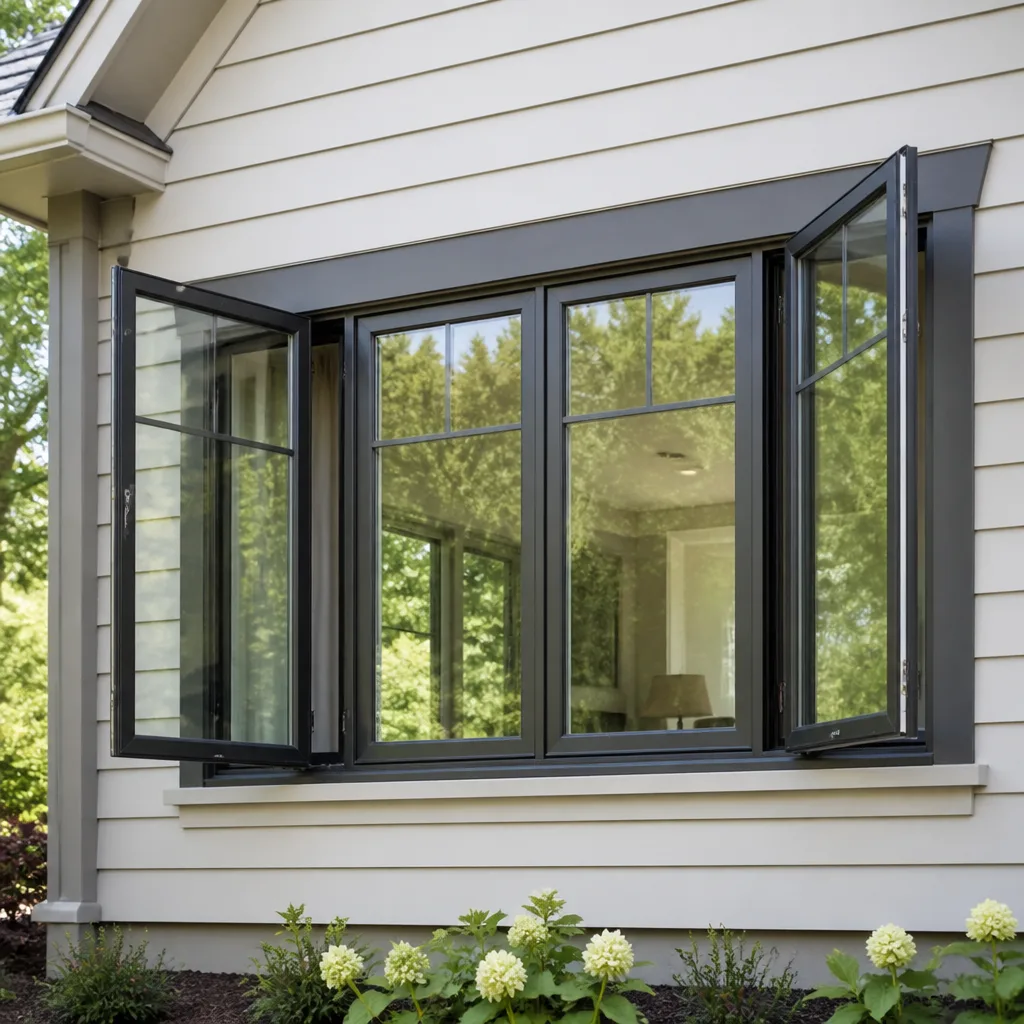 Casement
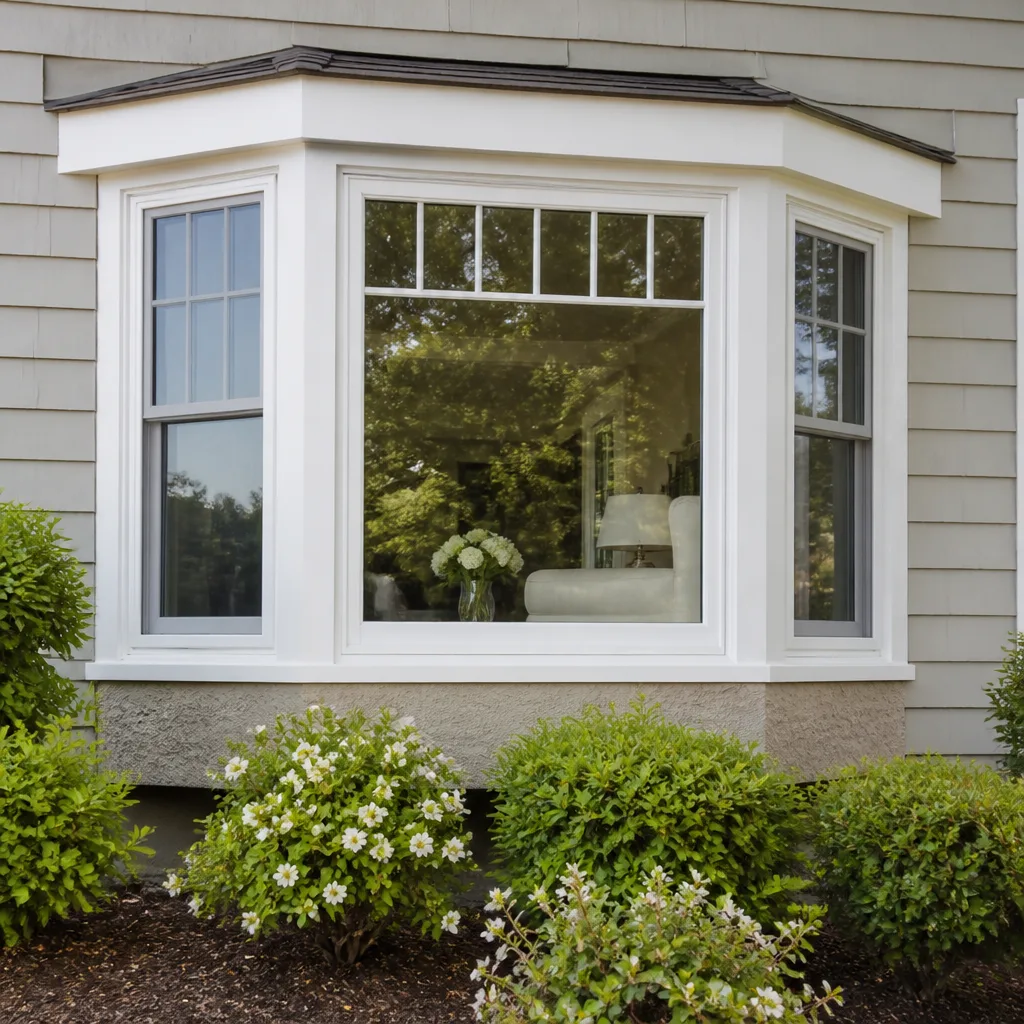 Bay & bow
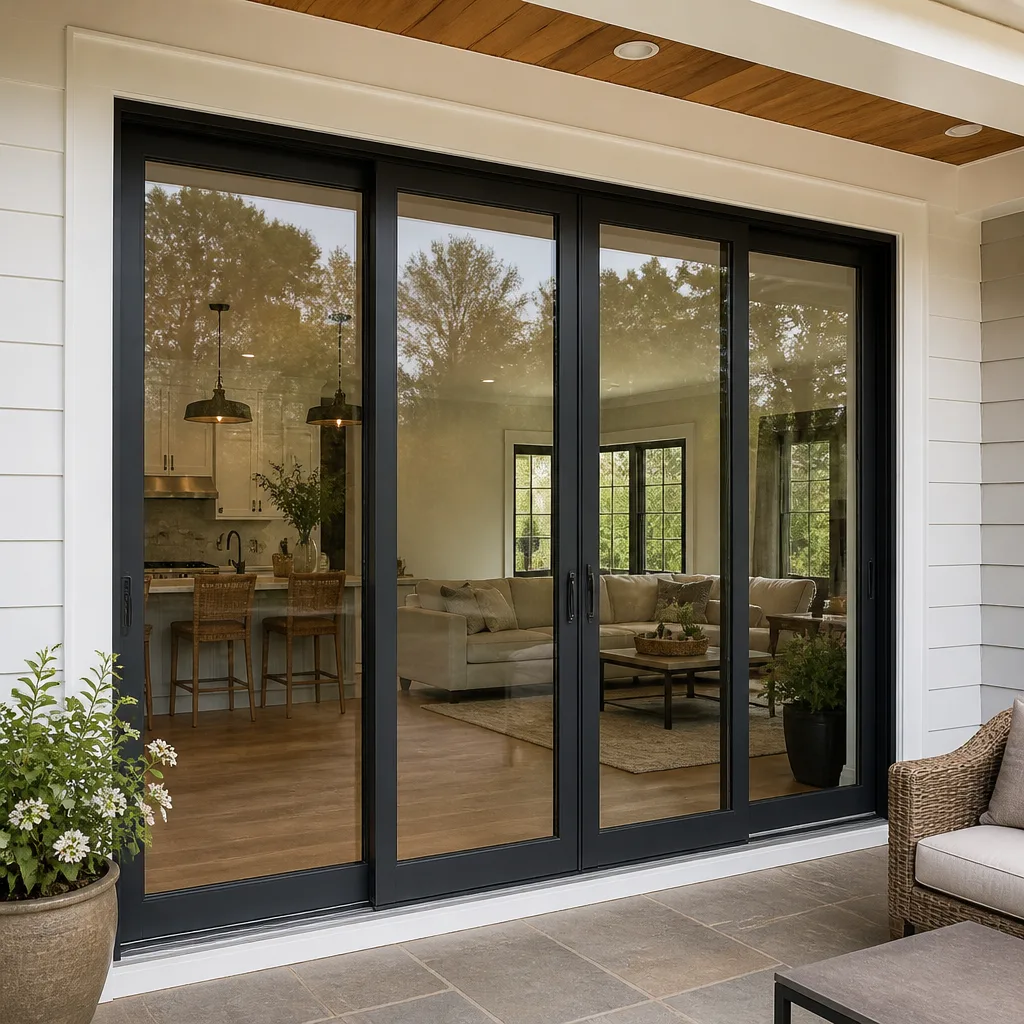 Sliding glass doors
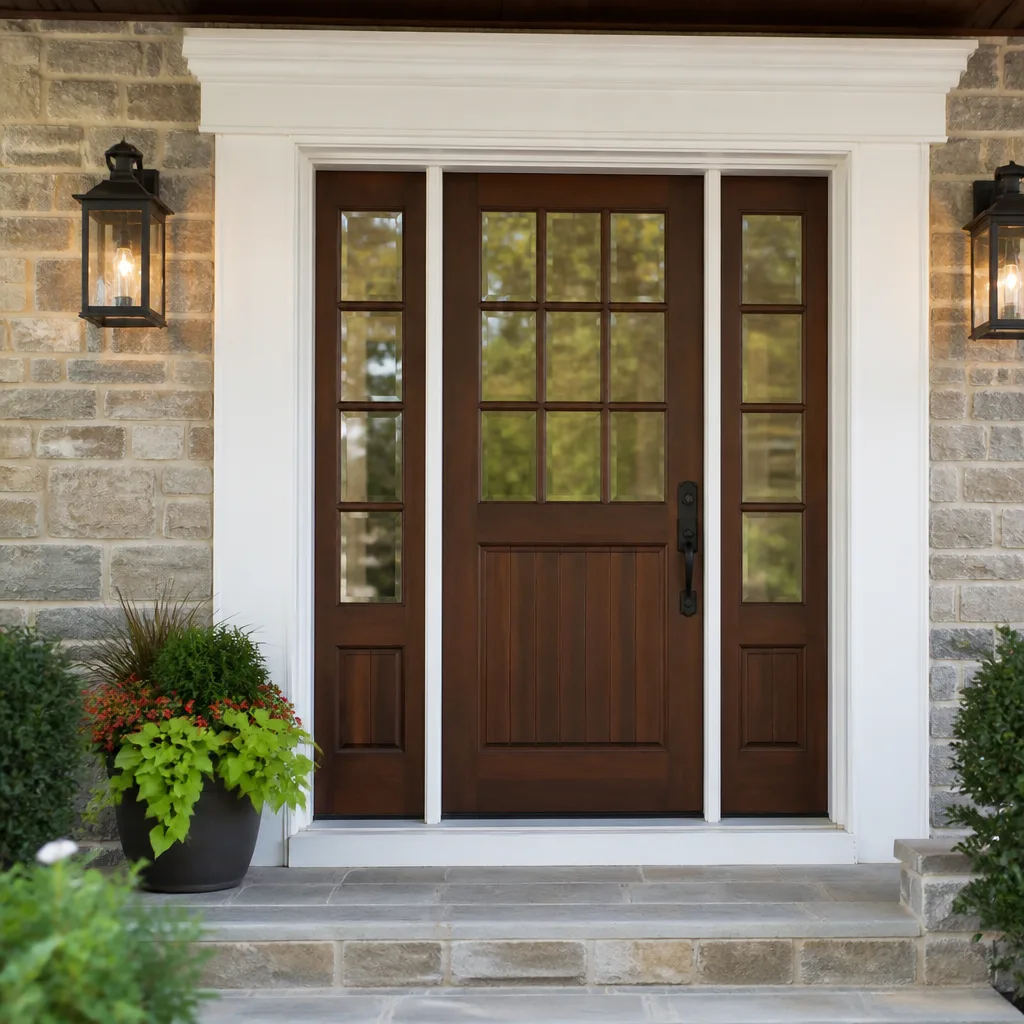 Entry doors
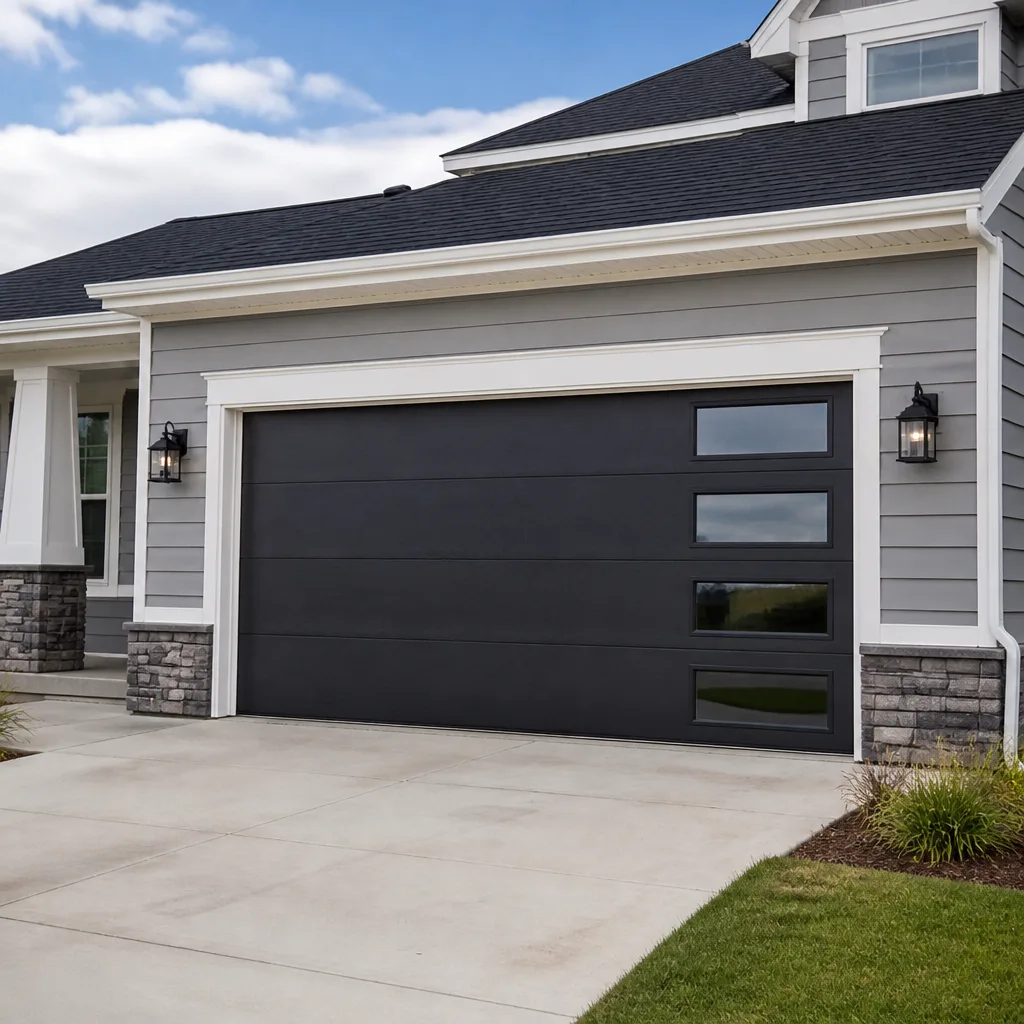 Impact garage doors
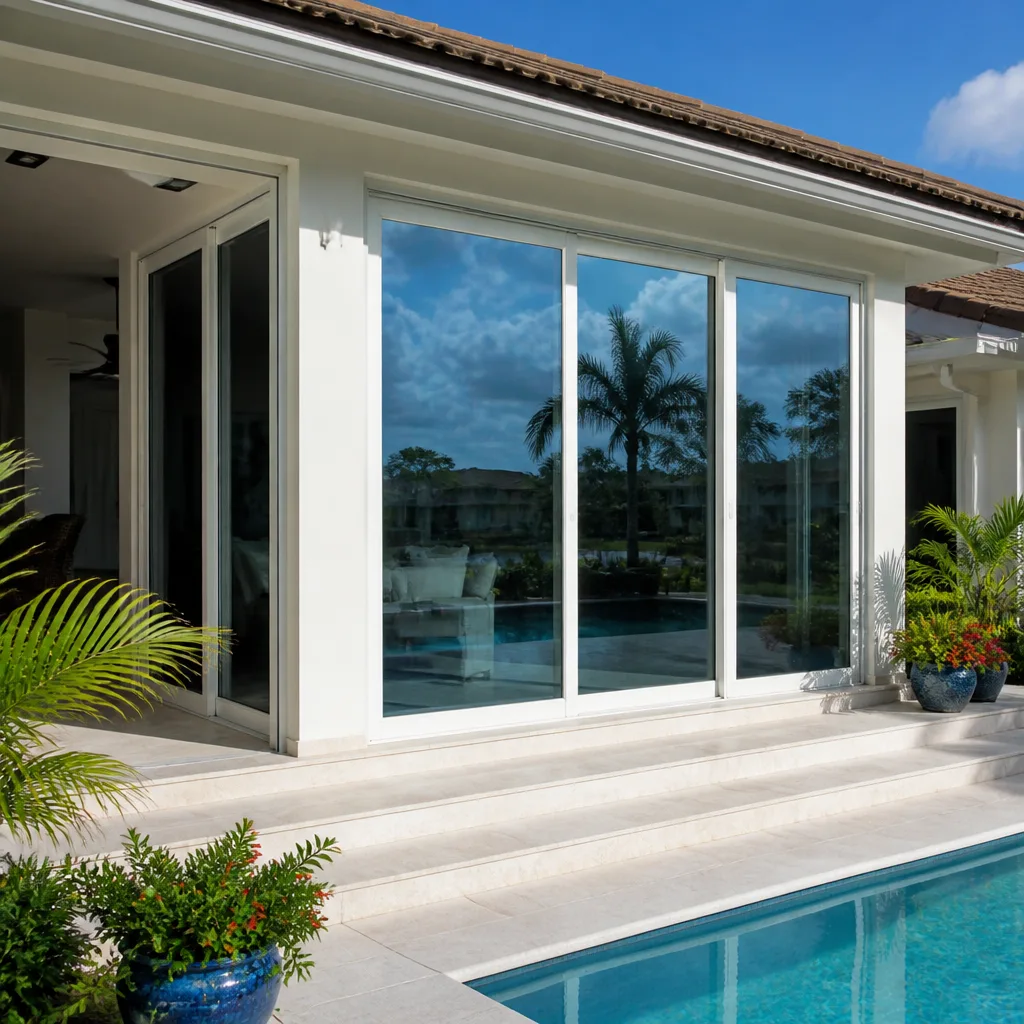 PGT
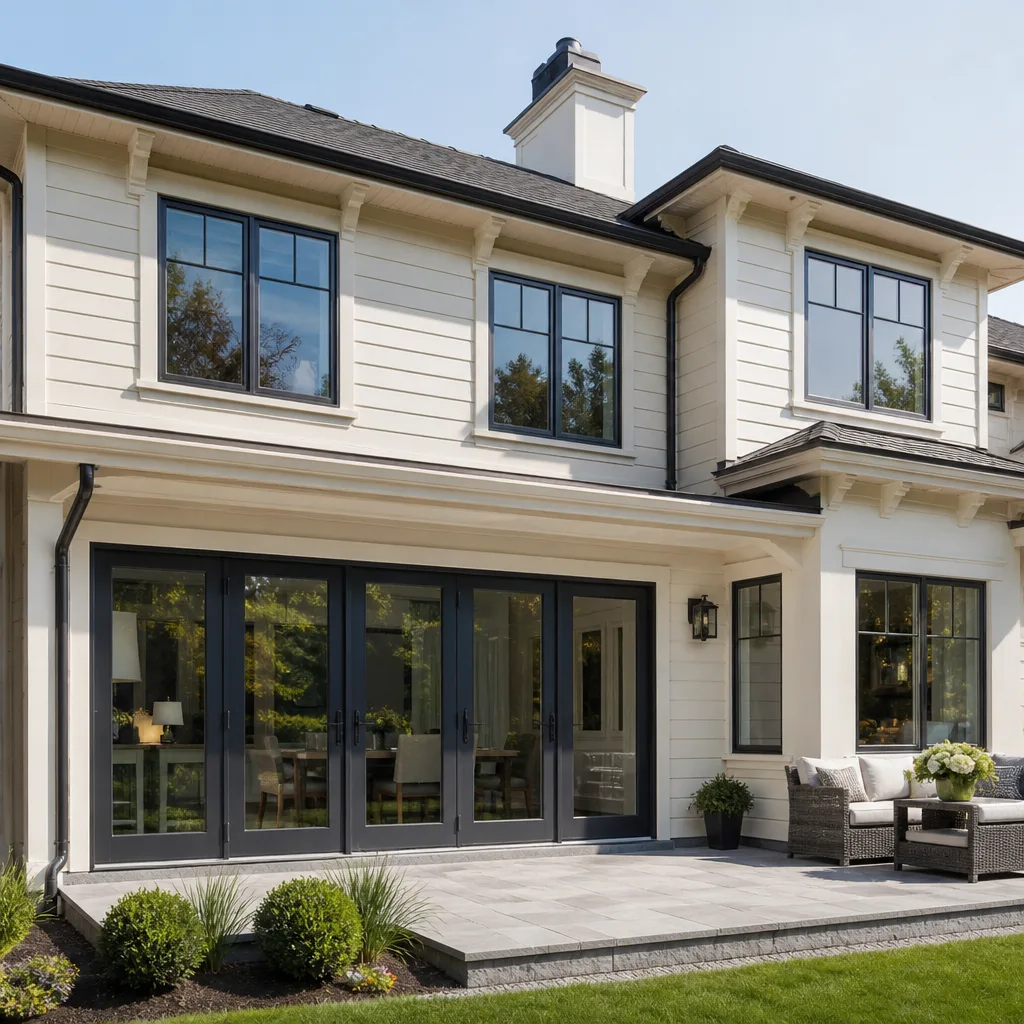 CGI
Free in-home measure and quote - PGT, CGI and CWS impact lines compared on your actual openings, style by style
Get your free estimateThe Complete Window Replacement Guide for Enterprise Homeowners
Most window replacement guides are written for an “average climate” that doesn’t exist in Enterprise, NV. They talk about balancing heating and cooling seasons as if both mattered equally. In Enterprise, they don’t. This corner of Southern Nevada averages more than 294 sunny days a year, and your windows spend those days absorbing solar heat that has to be removed by an air conditioner running hard for months. That changes which specs matter, which brands make sense, and even how the permit process works. This guide walks you through every decision checkpoint – frame material under sustained 115°F ambient heat, glass package selection for a cooling-dominant climate, brand matching to your home’s construction era, and the Clark County permit and inspection process – so you can ask better questions at the estimate table.
Quick Answer
Window replacement in Enterprise, NV means choosing a product rated for extreme heat load, not a general-purpose window. In practice that means prioritizing a low Solar Heat Gain Coefficient (SHGC below 0.25 is the target in this climate zone), a frame material that holds up under sustained summer temperatures, and a glass package suited to a cooling-dominant climate – typically a newer-generation low-E coating rather than a heating-oriented one. The right brand (from a multi-line portfolio like PGT, CGI, CWS, ES Windows, ECO Window Systems, Mr-Glass, Therma-Tru, or ViewLux) depends on your home’s construction era and rough-opening tolerances. Enterprise homeowners get the best result when they match the product to the house, not the house to whatever a single-brand dealer has in stock.
Styles & brands we work with
- Single hung
- Double hung
- Horizontal roller
- Casement
- Bay & bow
- Sliding glass doors
- Entry doors
- Impact garage doors
- PGT
- CGI
Table of Contents
- Why Enterprise Windows Are a Desert-Engineering Decision
- How to Read SHGC (and Why Below 0.25 Matters Here)
- Frame Material Performance in 115°F Heat
- Matching the Right Brand to Your Home’s Construction Era
- Clark County Permits and Inspections for Window Replacement
- Low-E Coating Generations in a Cooling-Dominant Climate
- Eight Brands, One Specialist: Why Breadth Matters
- Common Mistakes to Avoid
- When to Call a Professional
- Frequently Asked Questions
Why Enterprise Windows Are a Desert-Engineering Decision
Enterprise, NV sits in a climate where window performance is tested daily, not seasonally. The region’s 294-plus sunny days mean a west-facing or south-facing window receives total annual solar exposure that compares to very few other U.S. metros. That reality reshapes the standard replacement checklist. A window that performs beautifully in a heating-dominant climate (think Chicago or Minneapolis) can be a poor choice in Enterprise, where the cooling load dwarfs the heating load.
Three factors drive every recommendation we make to Enterprise homeowners:
- Heat load: Solar radiation hits the glass all year. Summer ambient temperatures routinely climb into the triple digits, and the air conditioner has to overcome both outdoor heat and solar gain through the glass.
- UV intensity: Southern Nevada’s solar angle and clear skies intensify UV exposure. Interior furnishings, flooring, and cabinetry fade faster here than in cloudier regions, so glass coatings that block UV matter more.
- Dust and airborne particulate: Desert wind and dust coat glass and weatherstripping. Seals that hold up to thermal cycling also need to keep out fine particulate, which puts a premium on tight manufacturing tolerances.
The result: window selection in Enterprise is closer to an HVAC sizing decision than a cosmetic upgrade. Every spec is measured against one question – how does this product perform under sustained heat? That is the lens through which the rest of this guide is written. It’s also why working with a specialist (window and door only, not a general contractor juggling roofing and siding too) makes a measurable difference. When every conversation is about windows, the recommendations tend to be sharper.
How to Read SHGC (and Why Below 0.25 Matters Here)
Solar Heat Gain Coefficient (SHGC) is the fraction of solar radiation that passes through a window as heat. A value of 0.30 means 30% of the sun’s heat is let in; a value of 0.22 means 78% is blocked before it becomes cooling load. SHGC runs from 0 to 1, and lower is better in a cooling-dominant climate like Enterprise’s.
A common mistake is treating all low-SHGC windows as identical. They aren’t. The practical target for Enterprise is a value below 0.25 for most exposures, with an even lower value (0.20 to 0.22) considered for west and south-facing glass. Windows on a shaded north exposure can usually accept a slightly higher SHGC without penalty.
How to apply SHGC when you’re comparing products:
- Check the NFRC label. Every window sold in the U.S. carries an NFRC-rated label. The SHGC figure on that label is the number that matters – not a marketing claim.
- Separate SHGC from U-factor. U-factor measures whole-window insulation (how fast heat conducts through). SHGC measures how much solar heat comes through. In Enterprise you want both low, but SHGC is the dominant factor for cooling bills.
- Match the value to the exposure. West and south glass in Enterprise carries the heaviest load. A single SHGC value for the whole house is rarely the best answer.
- Check Visible Transmittance (VT). Very low SHGC can darken the glass. A window with strong SHGC and decent VT keeps rooms bright while blocking heat.
In our experience across Enterprise homes, homeowners who compare SHGC side-by-side usually find that the difference between a “good” window and a “great” one is a measurable gap on the label, not a marketing claim. That’s why a multi-brand lineup matters: the right SHGC for a given exposure may come from PGT, CGI, or an efficiency-focused line like ECO Window Systems – not from whichever single brand a dealer is contractually obligated to push.
Frame Material Performance in 115°F Heat
Frame material can matter as much as glass in Enterprise, because sustained 115°F ambient temperatures stress frames differently than a mild climate does. Thermal expansion, color stability, seal integrity, and structural rigidity all shift under extreme heat. Here’s how the main options hold up:
- Vinyl: Affordable and energy-efficient. Under sustained desert heat, quality vinyl holds up well, though lower-grade extrusions can warp or fade faster. Look for heat-stabilized vinyl with a reputable manufacturer’s warranty.
- Fiberglass: Excellent dimensional stability. Fiberglass expands and contracts less than vinyl, which matters in a climate with wide day-to-night temperature swings. It holds color and resists warping well.
- Composite: Engineered to combine the best of wood and polymer. Under high heat, top-tier composites resist swelling and warping. Less common in Enterprise than vinyl or fiberglass but a solid choice for specific applications.
- Aluminum-clad: The aluminum skin is durable, low-maintenance, and holds up to sun and heat. Aluminum itself conducts heat faster than vinyl or fiberglass, so thermal breaks become essential in a climate like this. Choose an aluminum-clad product with a properly broken frame.
For most Enterprise homes, the sweet spot sits between a heat-stabilized vinyl and a fiberglass frame. Vinyl tends to win on price and availability; fiberglass tends to win on long-term stability under thermal cycling. Composite and aluminum-clad make sense in specific contexts (architectural style, custom color requirements). What matters most is the specific product line – not the category alone. Two vinyl windows from different manufacturers can behave very differently after five summers in Enterprise.
Matching the Right Brand to Your Home’s Construction Era
Rough-opening tolerances are the dimension of the gap left in the wall for the window. That dimension varies by era of construction, and matching the right brand to the right era is where most replacement projects succeed or fail. In Enterprise, three broad construction eras dominate:
- Older stucco homes (established neighborhoods): Stucco walls and older framing often present tighter or irregular rough openings. Windows with adjustable flanges and flexible installation options tend to fit better. Retrofit-style frames – designed for existing openings without changing the finished stucco – usually work best here.
- Mid-generation tract homes: Standardized openings. Most brands fit, so the decision shifts to performance specs (SHGC, U-factor, low-E generation) and frame material.
- Newer tract builds and custom homes: Often built with tighter, more modern framing with predictable dimensions. New-construction style windows and brands like CGI or PGT fit cleanly, and impact-rated product lines may be a good option in these homes.
This is exactly where a multi-brand lineup pays off. A single-brand dealer has to make the brand fit the house – a multi-brand specialist can do the reverse. If the rough opening favors a brick-mold or retrofit frame, we recommend the brand that makes that best. If the home is a newer tract build and impact-rated product (PGT, CGI) or an efficiency-focused line (ECO Window Systems) makes sense, that option is available in the same quote. CWS, ES Windows, and Mr-Glass each fill specific product niches where the frame geometry or the glass package lines up better with a particular home style.
Enterprise homeowners who ask “Which brand is best?” are really asking “Which brand is best for my house?” The answer starts with the rough opening, the construction era, and the exposure.
Clark County Permits and Inspections for Window Replacement
Window replacement in Enterprise typically requires a permit through Clark County (Enterprise is largely unincorporated, so the county building department handles most residential permits; the City of Henderson handles some neighboring areas, depending on the parcel). The rule of thumb: like-for-like replacements – same size and operation – are treated differently than replacements that change the opening size or the window’s operating type. Anything that alters the structural opening or the egress configuration is more likely to need a full permit and inspection.
A typical permit and inspection path looks like this:
- Confirm jurisdiction for your parcel. Enterprise address, but the county or city of jurisdiction depends on whether the home is inside the incorporated boundary. Ask your installer to confirm before submitting.
- Submit the application with product specs. The permit application includes the window’s NFRC ratings, product approvals, and installation details. Missing specs stall the process.
- Framing and rough-in inspection (if applicable). For replacements that change the rough opening, an inspection confirms framing is correct before the window is closed in.
- Final inspection. Confirms the installation matches the approved specs, flashing and sealing are correct, and the window meets the egress and safety requirements it needs to.
Permits matter for two reasons. First, an unpermitted replacement can be flagged at resale, and the buyer’s inspector will notice. Second, inspections catch installation errors (flashing, sealant, drain paths) that don’t show up until a monsoon-season rainstorm pushes water into a wall cavity. Ask any installer: “Will you pull the permit and pass the final inspection?” If the answer is vague, that’s a sign. Enterprise homeowners deserve a written, permitted scope – and Enterprise Windows & Doors pulls permits and stands behind the inspection.
Low-E Coating Generations in a Cooling-Dominant Climate
Low-E (low-emissivity) coatings are microscopic layers of metal oxide that reflect heat. The “generation” of the coating – usually described as LE2 or LE3, though manufacturers brand these differently – determines which wavelengths are reflected. That distinction matters enormously in a climate where summer cooling is the dominant load.
LE2 (second-generation low-E) typically reflects solar heat while also helping retain interior heat in winter. It’s a balanced coating designed for climates with substantial heating loads. In Enterprise, its winter benefit is small compared to its reduced ability to block summer heat.
LE3 (third-generation low-E) is more solar-selective. It reflects a higher share of the sun’s heat while letting visible light through. In a cooling-dominant climate, LE3 typically delivers lower SHGC at the same visible transmittance, which translates into real reductions in cooling load.
Why this matters for the actual energy bill:
- In a heating-dominant climate, LE2 performance can be ideal because it retains interior heat.
- In Enterprise, the load is nearly all cooling. LE3 tends to win because it blocks solar gain on the hottest days while keeping visible light high.
- The difference is small per window but compounds across the whole house – especially on west and south exposures where the sun hits hardest.
The right answer usually depends on orientation. West and south windows benefit most from LE3. A north-facing window with a shaded exposure can sometimes use LE2 without penalty. This is why a good installer asks about orientation, not just square footage. It’s also why an efficiency-focused line like ECO Window Systems is worth comparing alongside performance-first lines like PGT and CGI.
Eight Brands, One Specialist: Why Breadth Matters
Most window dealers carry one or two brands – often because that’s what they’re set up to install, not because it’s what fits your house. A multi-brand installer can do the opposite: start with the performance requirement (SHGC target, frame material, exposure), then match a brand. That’s the difference between a quote and a matching process.
Here’s how the brands we work with map to real Enterprise needs:
- PGT and CGI – impact-rated and high-performance lines. Best for homeowners who want maximum protection against driven rain, wind, and impact, plus strong performance specs. Newer Enterprise tract builds and custom homes often fit these lines cleanly.
- ECO Window Systems – energy-efficiency focus. The right match when the priority is SHGC, U-factor, and low-E generation, with a clean silhouette.
- CWS – broad product range. Fits the widest range of construction eras, from stucco retrofits to newer builds, with competitive performance specs.
- ES Windows – solid mid-range performance. A good option when the rough opening or exposure favors this product’s particular geometry.
- Mr-Glass – glass-forward. Best for applications where the glass package is the star – large panes, custom shapes, or specific UV and solar-control specs.
- Therma-Tru – premium door systems. When the project includes entry doors, this north-American-recognized brand rounds out the whole opening.
- ViewLux – design-forward. Best for homes where the aesthetic (frame profile, sightlines, color) is a primary factor.
Because these brands compete with one another, we don’t have to push a particular one. We can recommend the product that fits the home. In our experience, that’s what Enterprise homeowners actually want – not a curated sales pitch, but a product that performs after five or ten summers. Whether the home calls for window installation in a new opening or a full window replacement in an existing one, the matching process is the same. It all sits under one roof at Enterprise Windows & Doors, and it’s all we do.
Common Mistakes to Avoid
- Buying on U-factor alone. U-factor matters, but in Enterprise, SHGC drives more of the cooling bill. A low U-factor with a mediocre SHGC still leaves you absorbing solar heat all summer.
- Treating all vinyl or fiberglass as the same. Two products in the same material category can behave very differently after several triple-digit summers. Ask for the specific line, not just the material.
- Ignoring orientation. A west-facing window in Enterprise needs different specs than a shaded north-facing window on the same house. Uniform specs across every opening usually cost more than necessary.
- Choosing a brand before understanding the rough opening. Older stucco homes and newer tract builds need different frame geometry. Reversing this order means costly trim and stucco repairs.
- Skipping the permit. Enterprise-area replacements that change the opening or egress often require a county permit and inspection. An unpermitted job can surface at resale.
- Buying on price alone. The cheapest quote often hides cheap flashing, sealant, and installation labor that fails faster. In this climate, installation quality matters as much as the window itself.
- Hiring a generalist for a specialist job. A contractor who also does roofing and remodeling splits attention. A window-and-door specialist focuses on the details that actually affect performance.
When to Call a Professional
Some window decisions are safe to handle yourself: cleaning, screen replacement, minor hardware adjustments. Once the work involves glass replacement, frame resecuring, flashing repair, or the structural opening, it’s time to bring in a trained professional. In Enterprise, the stakes are higher: heat and UV stress seals faster, and poor installation shows up as water intrusion during the monsoon season. If you’re seeing condensation between panes, drafts, visible cracking around frames, or difficulty operating windows, those are installation or product-failure signs, not maintenance items.
If your home’s windows are more than a decade old, or you’re replacing more than a single window, schedule a professional estimate. Enterprise Windows & Doors is a windows-and-doors specialist serving Enterprise, and we offer free estimates with a written line-item quote. Call (877) 558-4821 to schedule. We answer 24/7. Fast dispatch from 7am to 7pm, Sunday through Friday.
Frequently Asked Questions
Window replacement in Enterprise typically runs into the low five figures for a whole-house project and varies widely based on brand, glass package, frame material, and home complexity. Because we carry eight brands (from efficiency-focused ECO Window Systems to performance lines like PGT and CGI), we can match the product to your budget instead of steering you to a single option. Call (877) 558-4821 for a free estimate – the written line-item quote sets the final price.
In most cases yes, especially when the replacement changes the rough opening, the operation type, or the egress configuration. Enterprise is largely unincorporated, so Clark County’s building department usually handles residential window permits; confirm the jurisdiction for your specific parcel before work starts. A licensed installer should be able to pull the permit and pass the final inspection. Enterprise Windows & Doors pulls permits and stands behind the inspection.
Aiming for SHGC below 0.25 is a good target for most openings in Enterprise, and even lower (0.20 to 0.22) on west and south exposures where solar gain is heaviest. North-facing windows that get some shade can use a slightly higher value without penalty. Check the NFRC label, not the marketing claim.
We are an authorized dealer and installer for eight brands: PGT, CGI, CWS, ES Windows, ECO Window Systems, Mr-Glass, Therma-Tru, and ViewLux. That breadth means we match the brand to your home’s construction era, exposure, and performance needs – not the reverse. For doors, Therma-Tru rounds out the opening, so both windows and doors come from the same specialist.
LE3 is generally the better fit in Enterprise’s cooling-dominant climate because it reflects more solar heat while keeping visible light high. LE2 makes more sense in heating-dominant climates where retaining interior heat matters more. The right call depends on orientation: west and south windows benefit most from LE3, while shaded north windows have more flexibility. Ask your installer to review both options with you.
The rough opening is the starting point. Older stucco homes in Enterprise often need retrofit-style windows with flexible flanges; newer tract builds and custom homes fit modern frames cleanly and may suit impact-rated PGT or CGI or efficiency-focused ECO Window Systems. Once the opening fits, we compare SHGC, frame material, and low-E generation. That order – fit, then performance, then brand – is how we recommend. Call (877) 558-4821 to start the matching process with a free estimate.
The Bottom Line
Window replacement in Enterprise is a desert-climate decision, not a general home-upgrade purchase. Get three things right and you’ll be ahead of most homeowners: choose glass with SHGC below 0.25 (with lower values on west and south exposures), match frame material to sustained 115°F heat (heat-stabilized vinyl or fiberglass for most homes), and match the brand to your home’s construction era and rough-opening tolerances. Pair that with a permitted installation and correct low-E generation (LE3 in a cooling-dominant climate) and the window will perform for years. Our technicians have up to 11 years of experience installing windows and doors in Enterprise, and we work with eight brands – so the product fits the home, not the other way around.
Written by the team at Enterprise Windows & Doors.
Ready to price your project? Call (877) 558-4821 for a free estimate. We answer 24/7. Fast dispatch from 7am to 7pm, Sunday through Friday. Every quote is a written line-item quote with fixed pricing – no change orders, no surprises.
See the difference
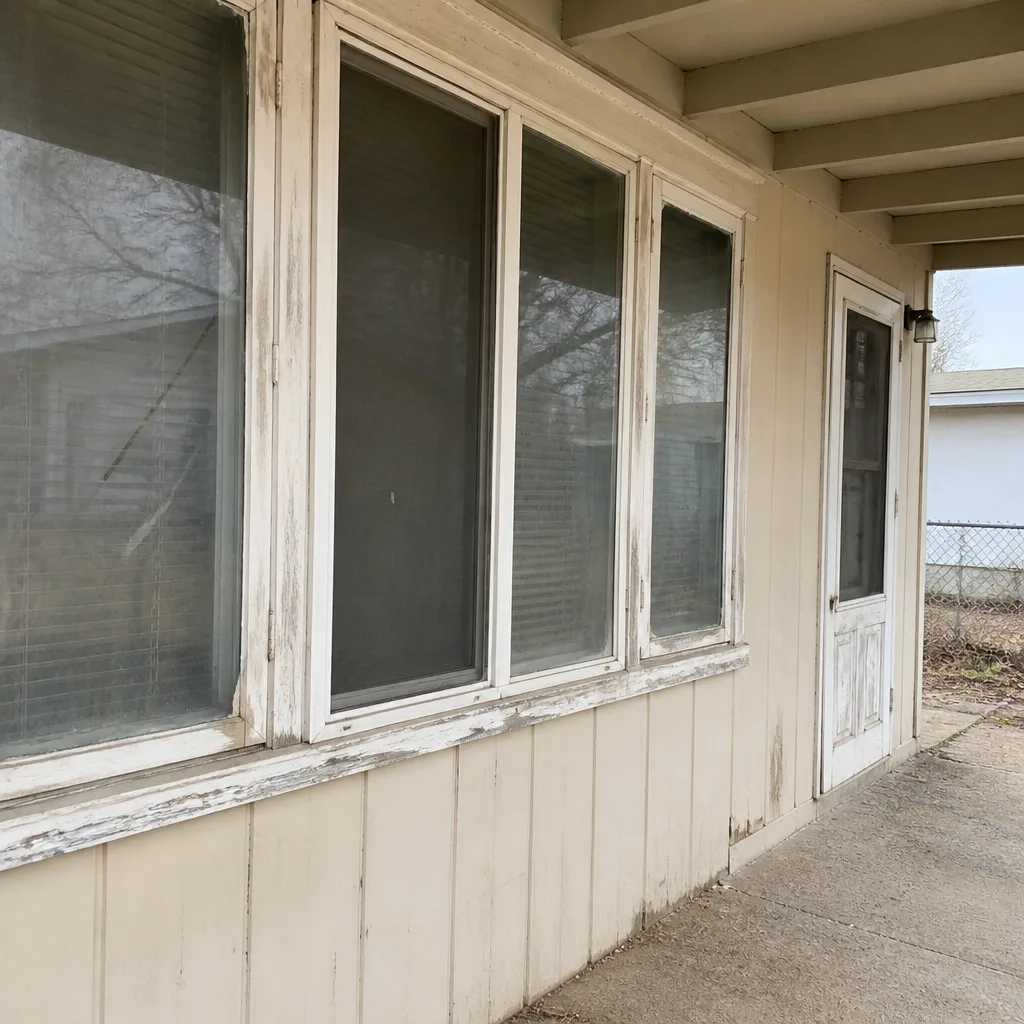 Before
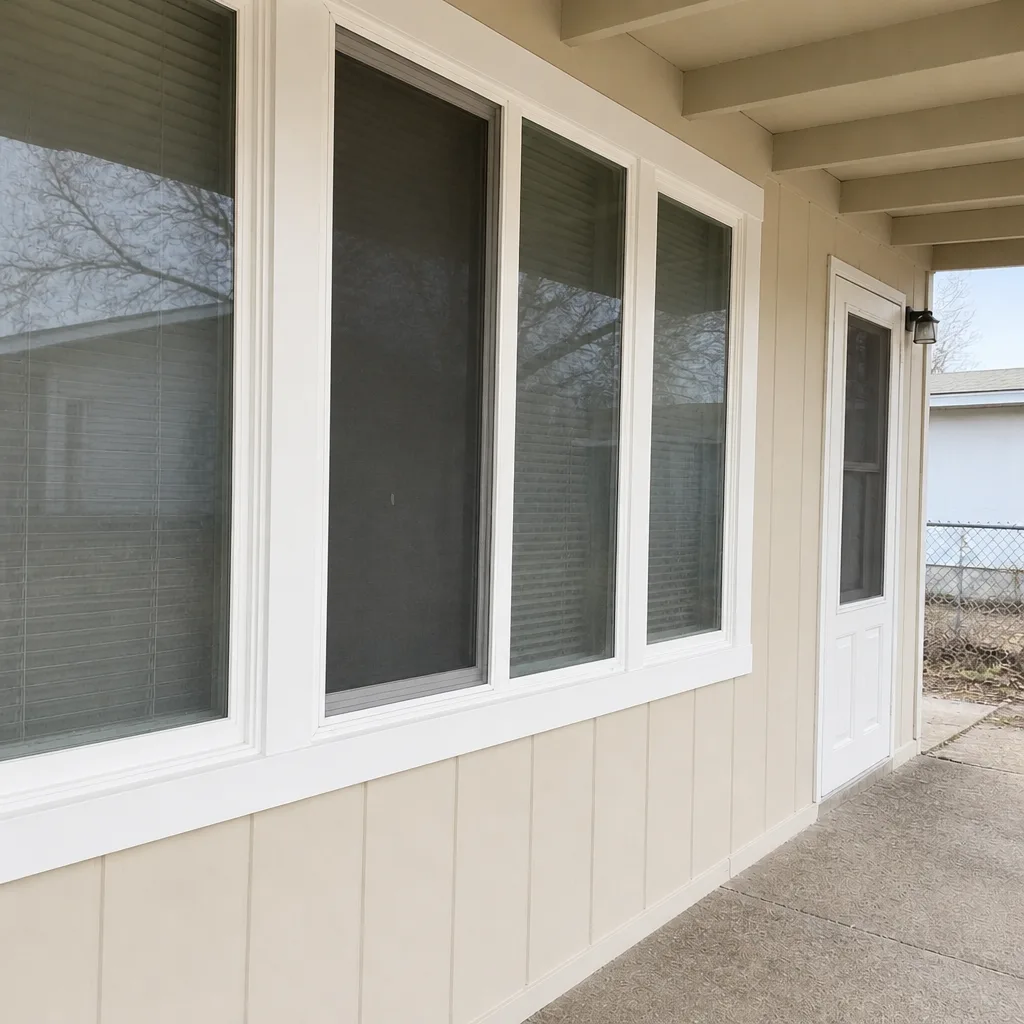 After
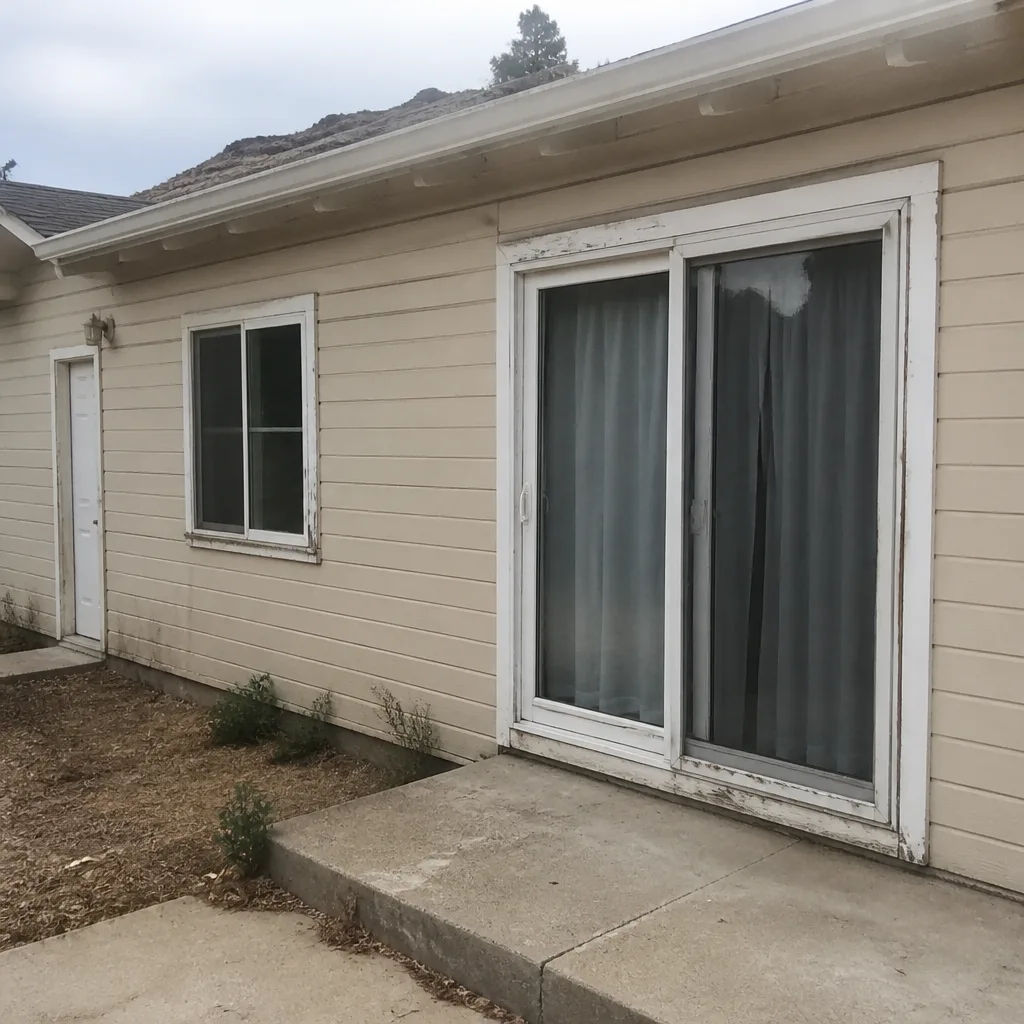 Before
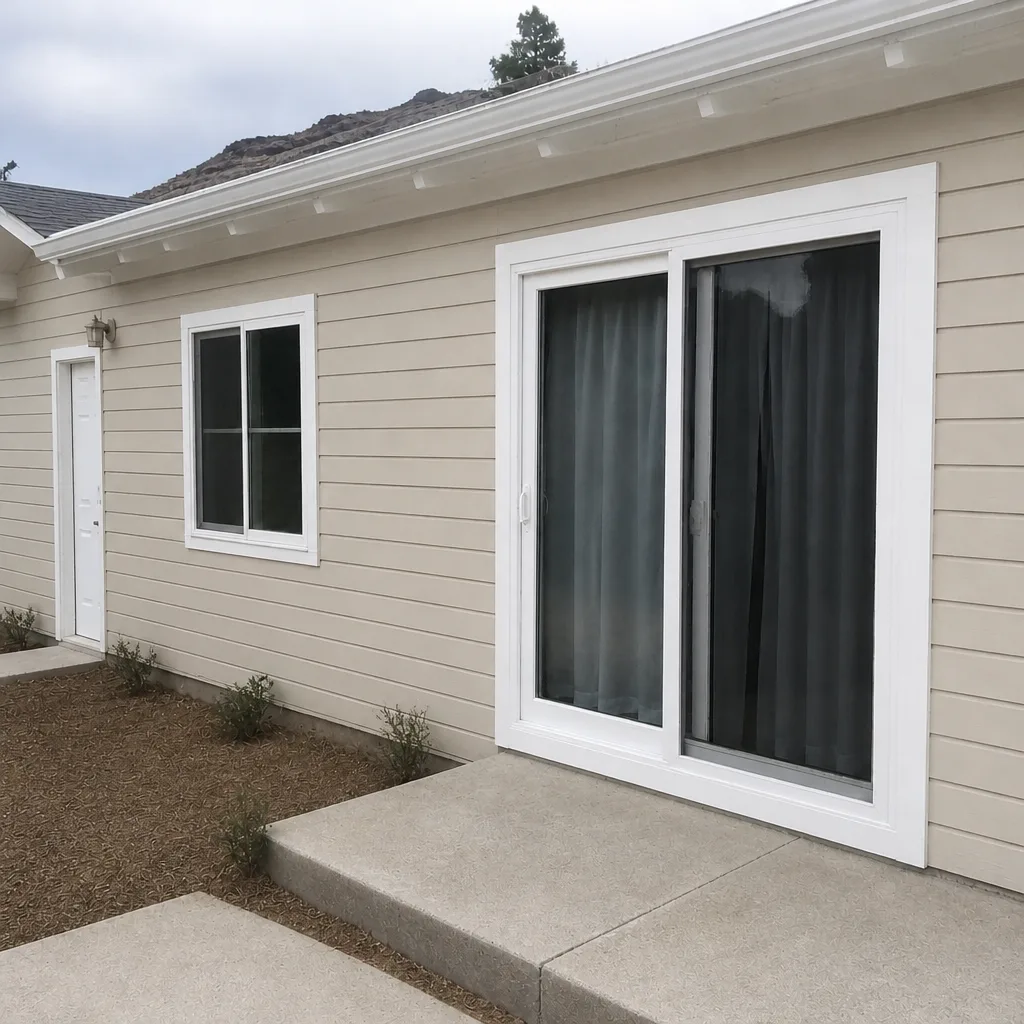 After
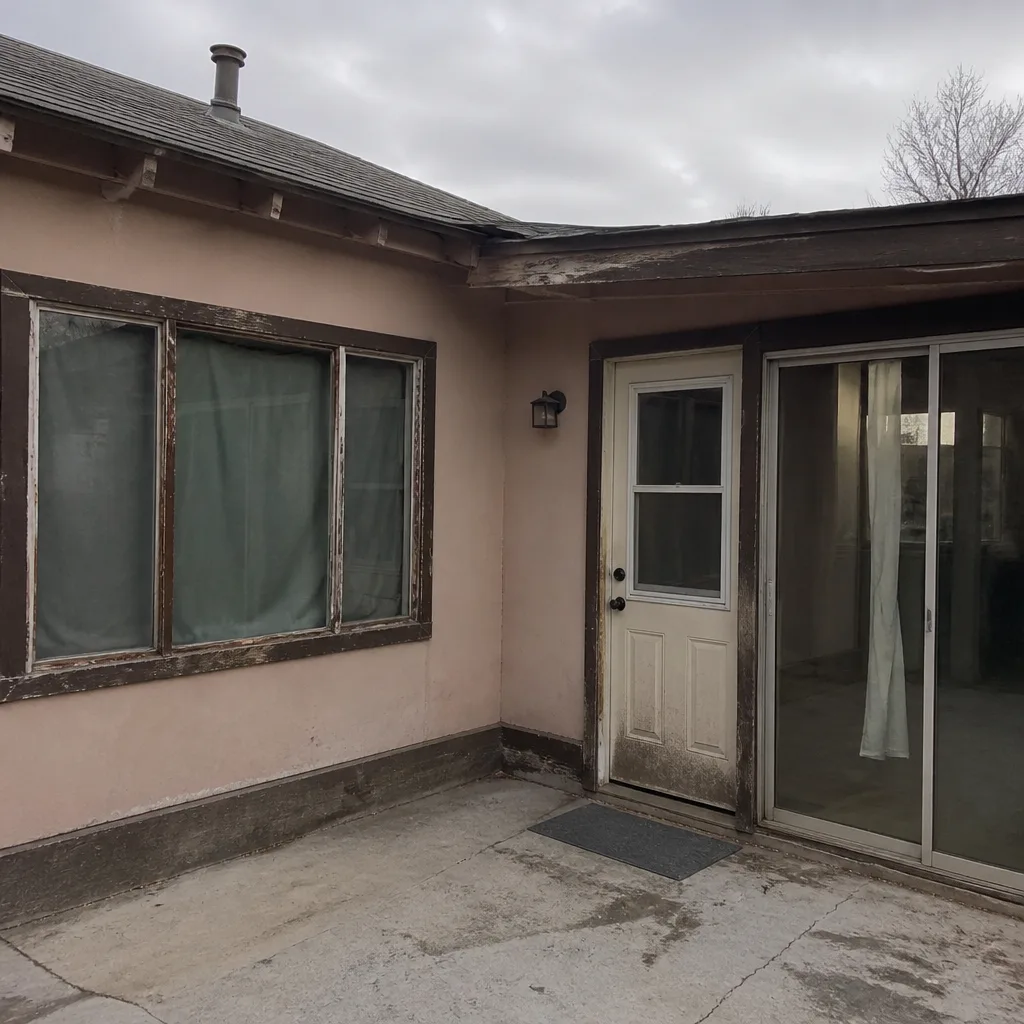 Before
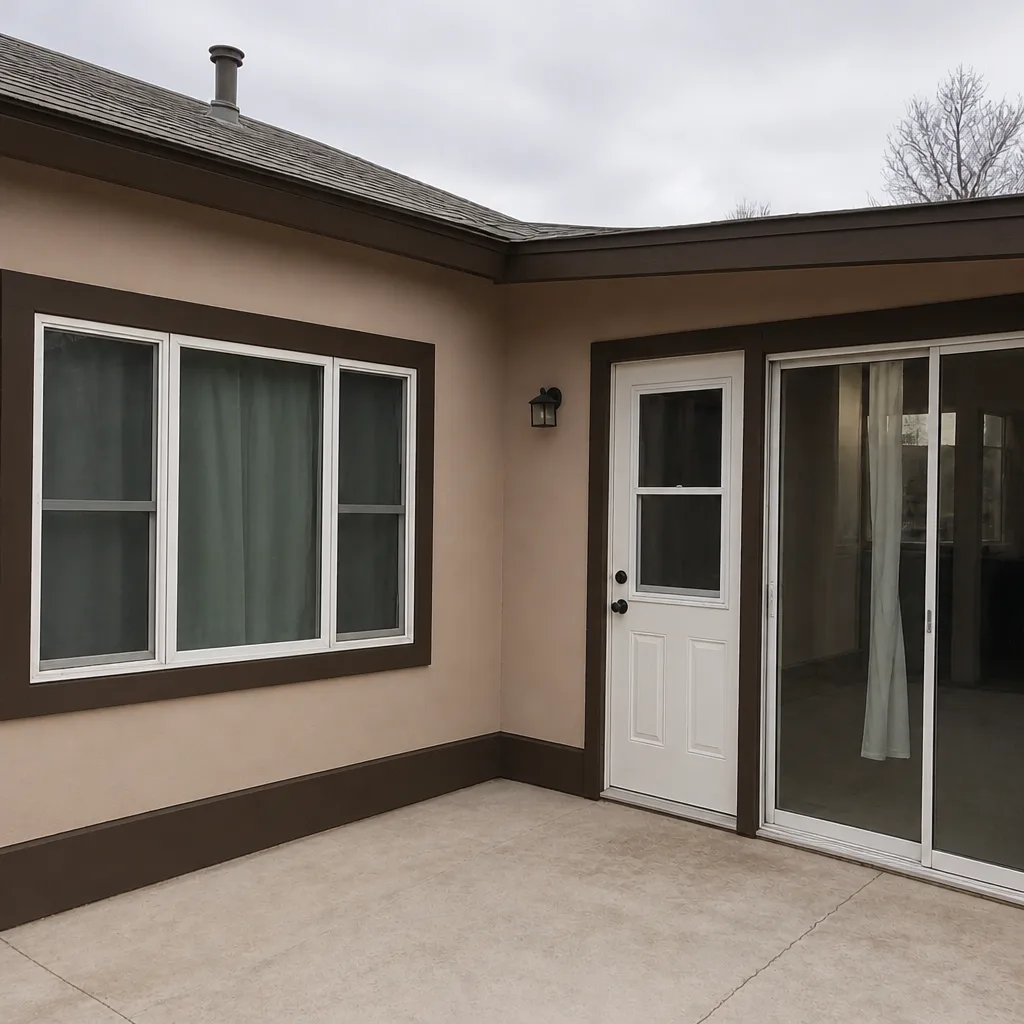 After