Last updated November 18, 2026
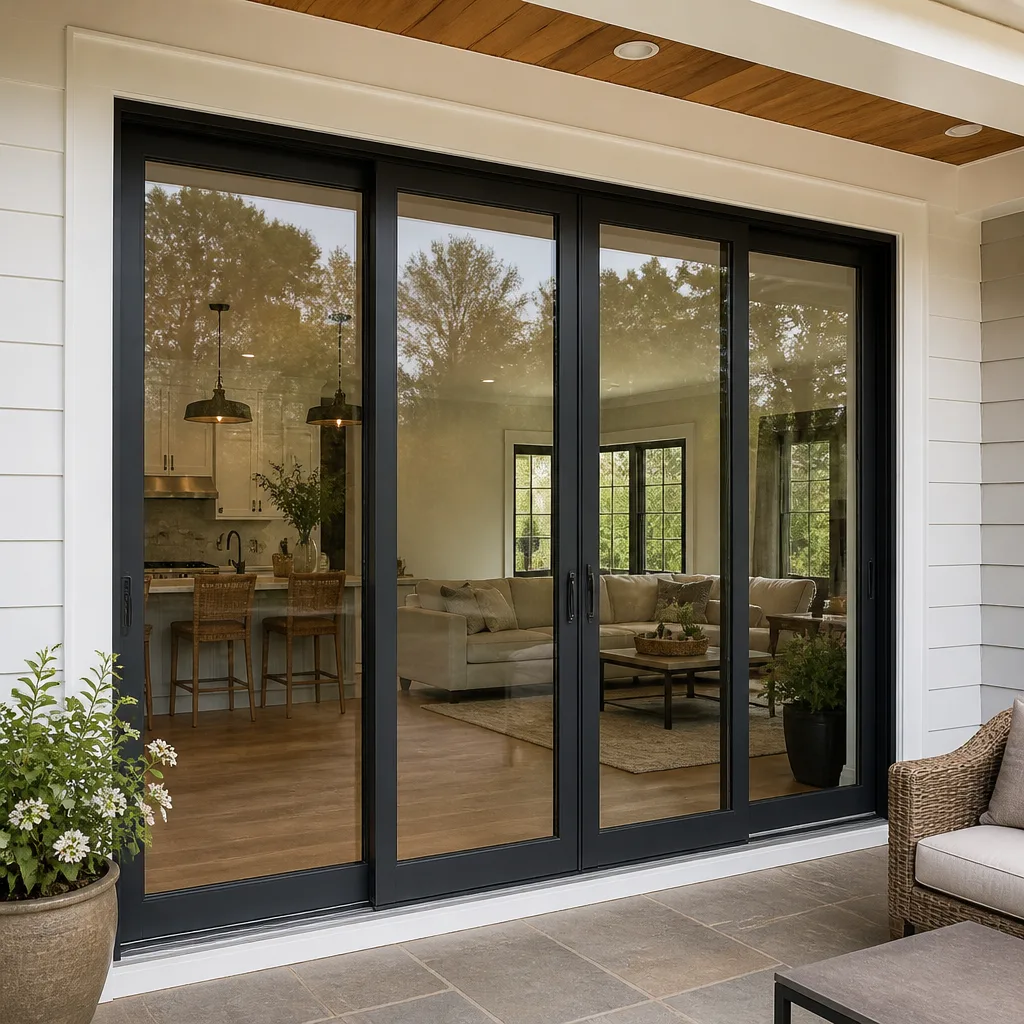 Sliding glass doors
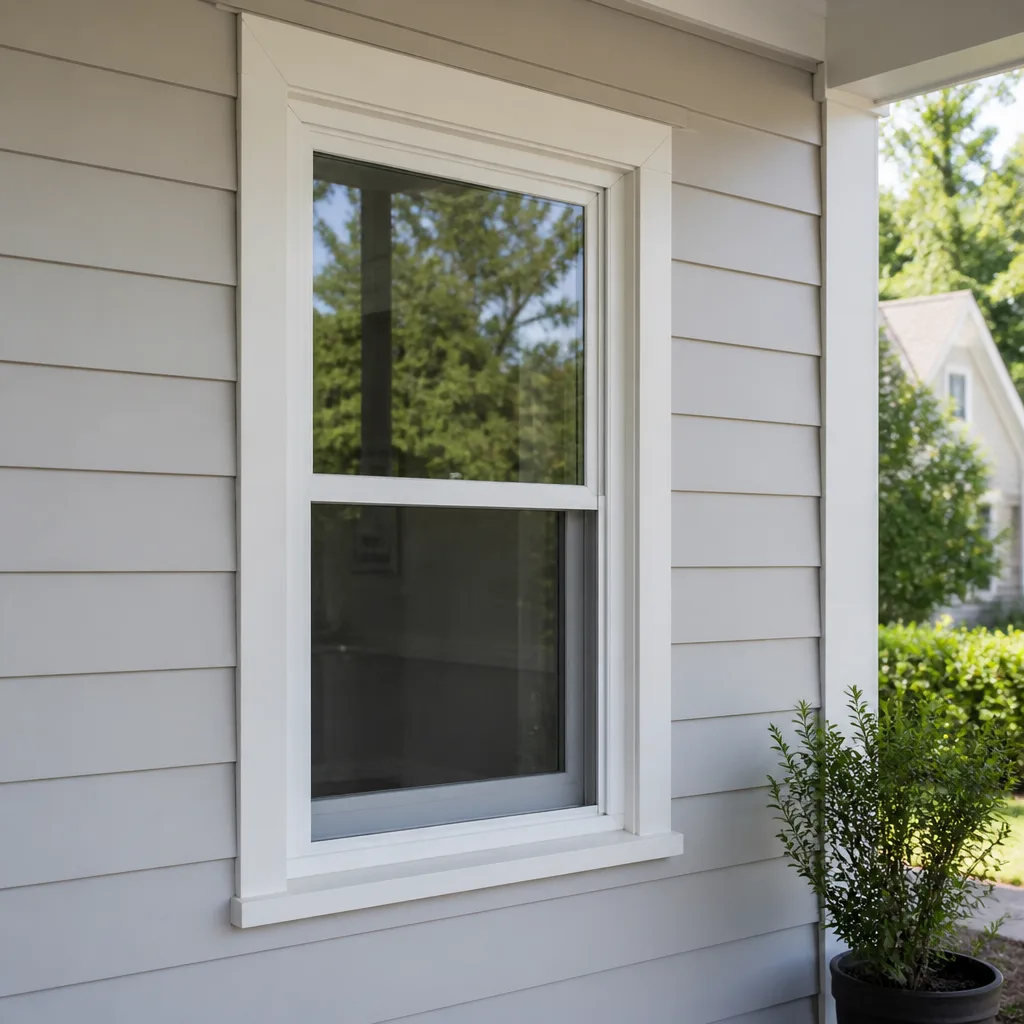 Single hung
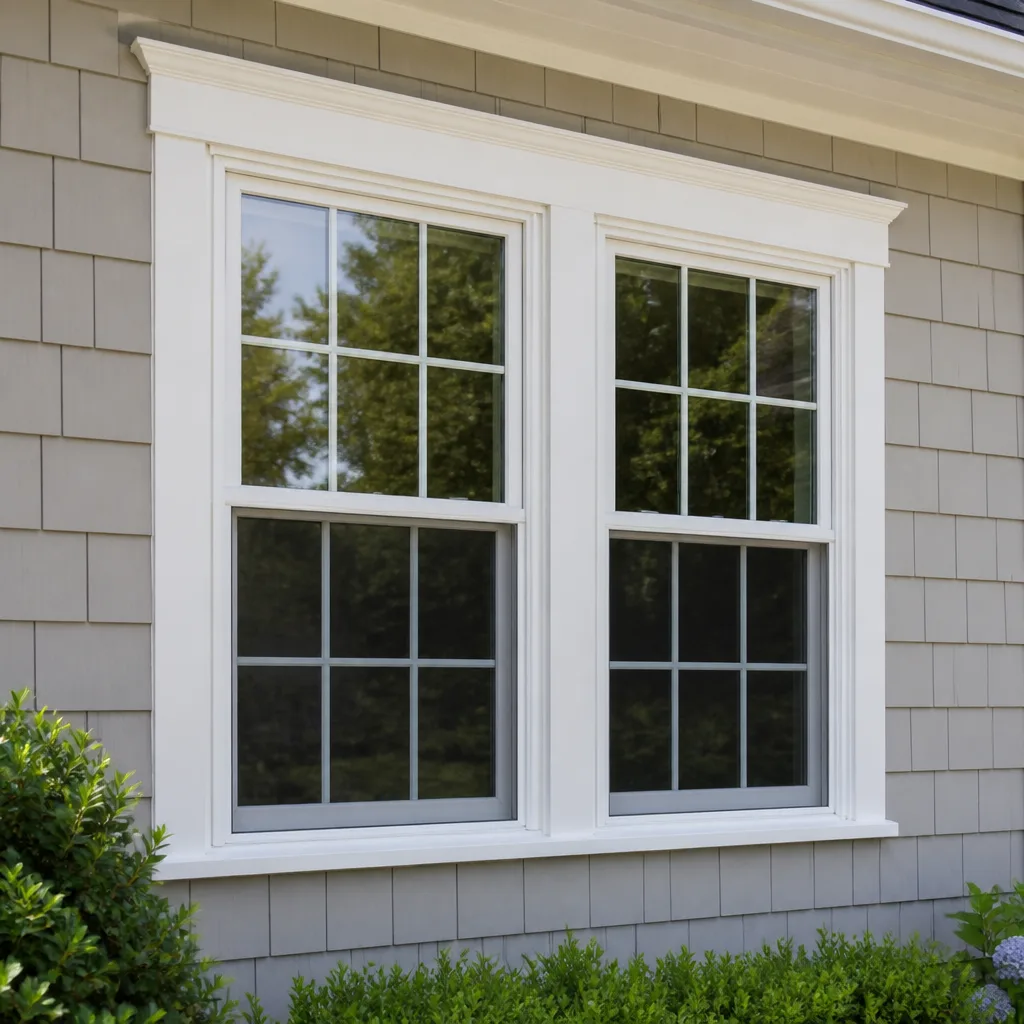 Double hung
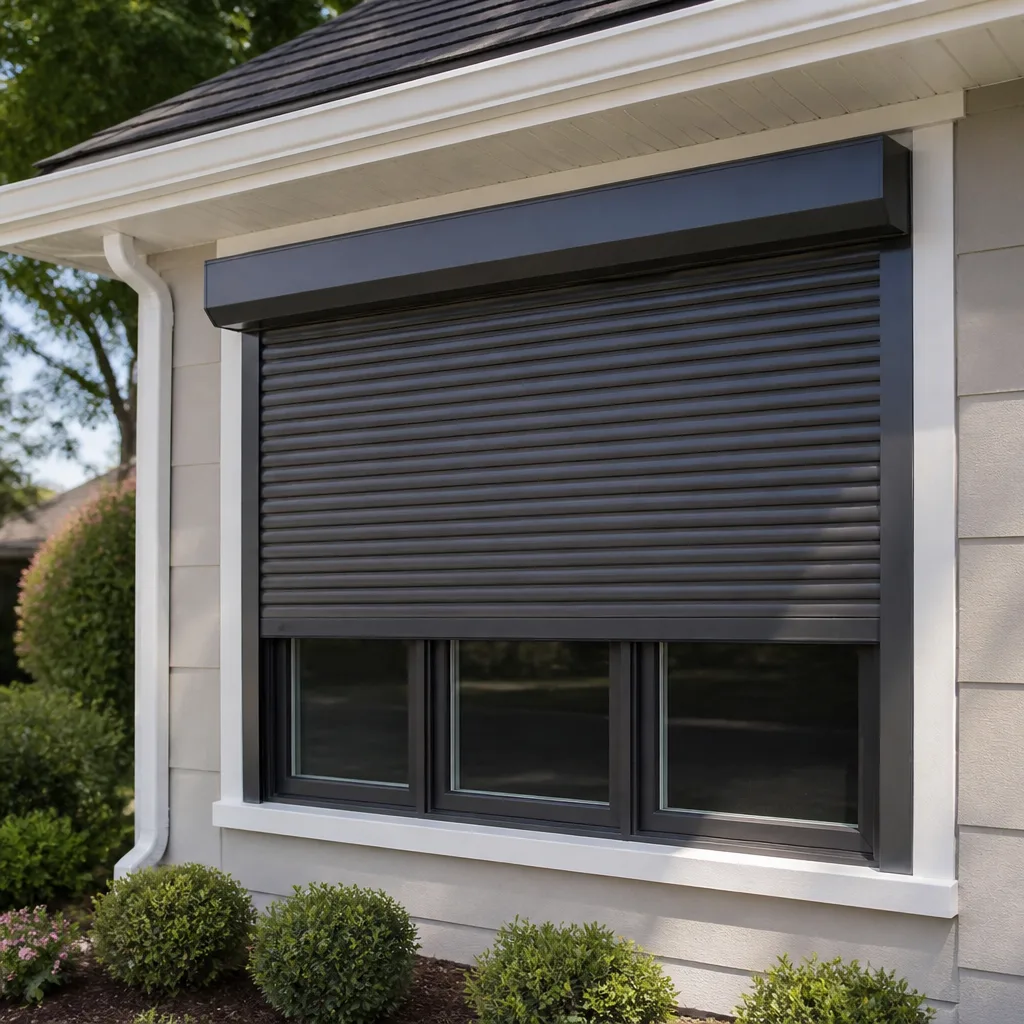 Horizontal roller
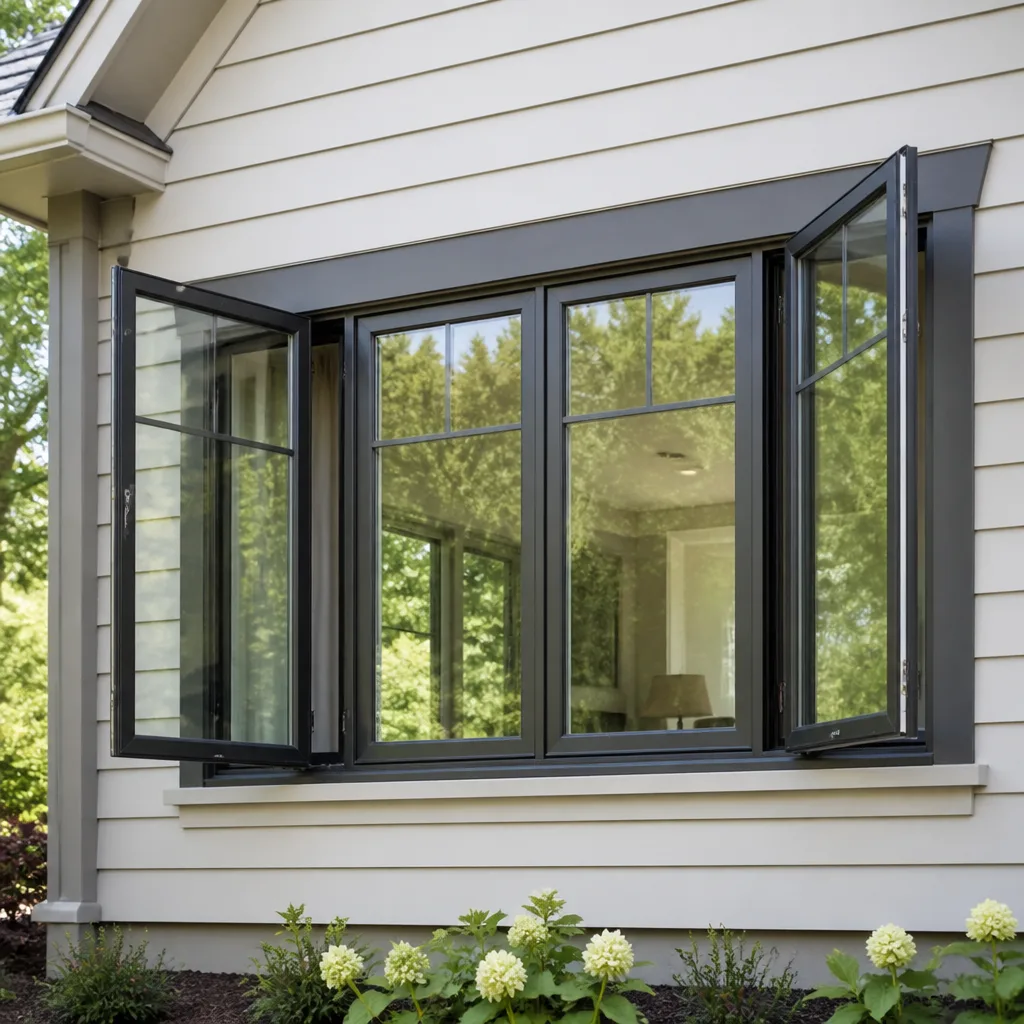 Casement
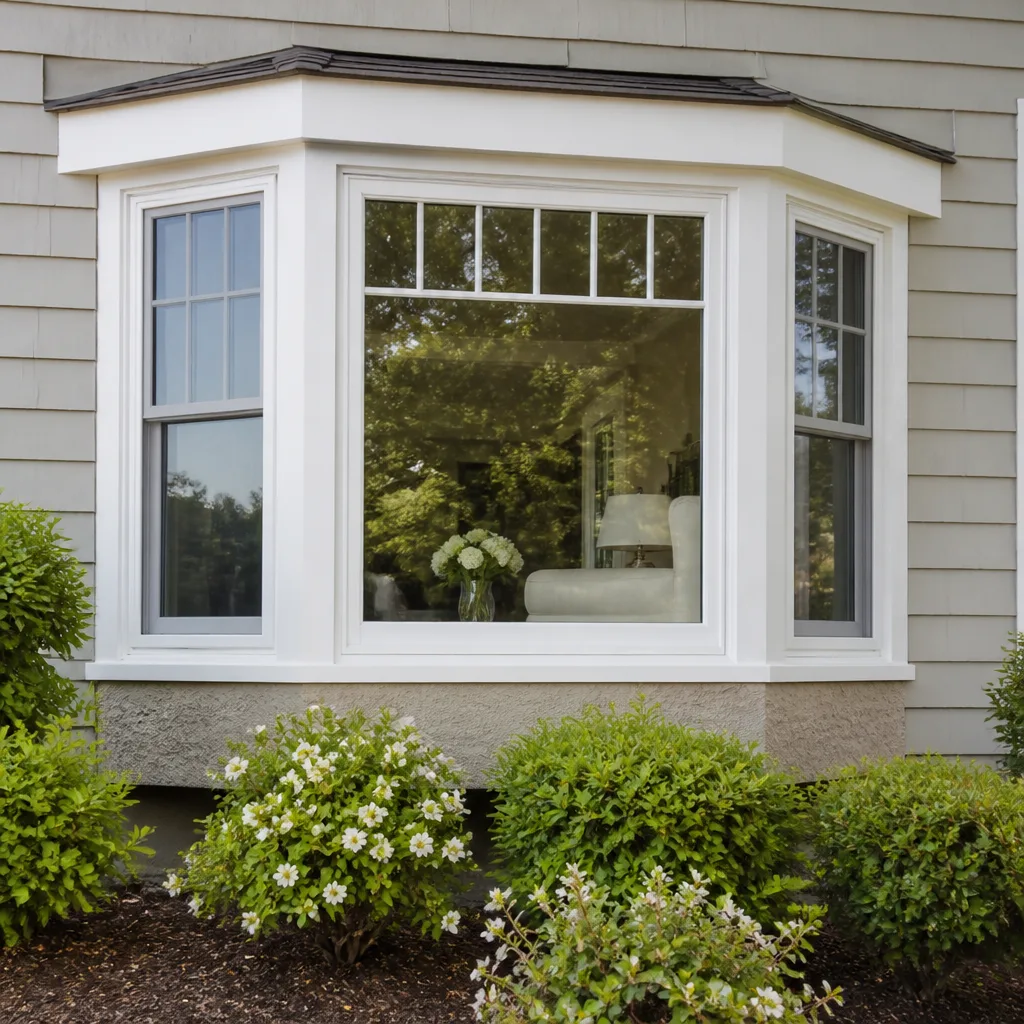 Bay & bow
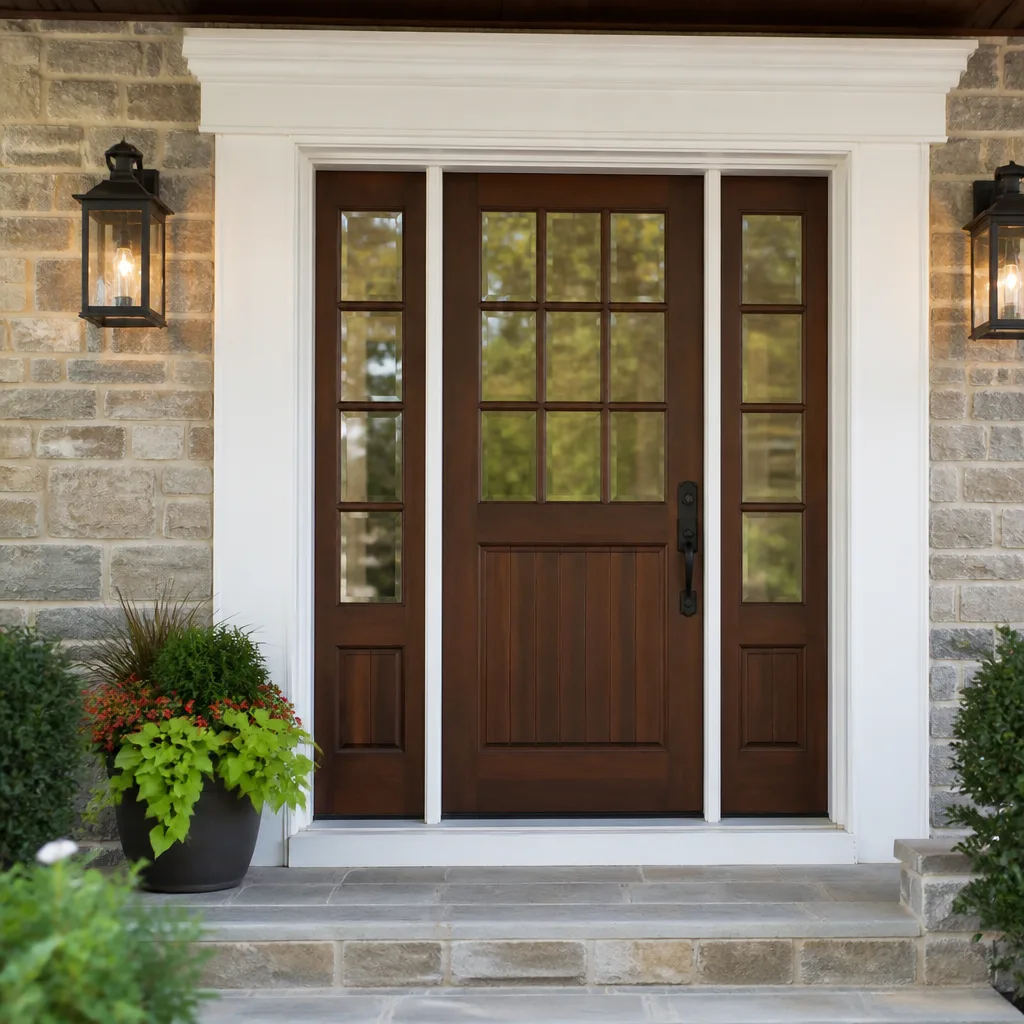 Entry doors
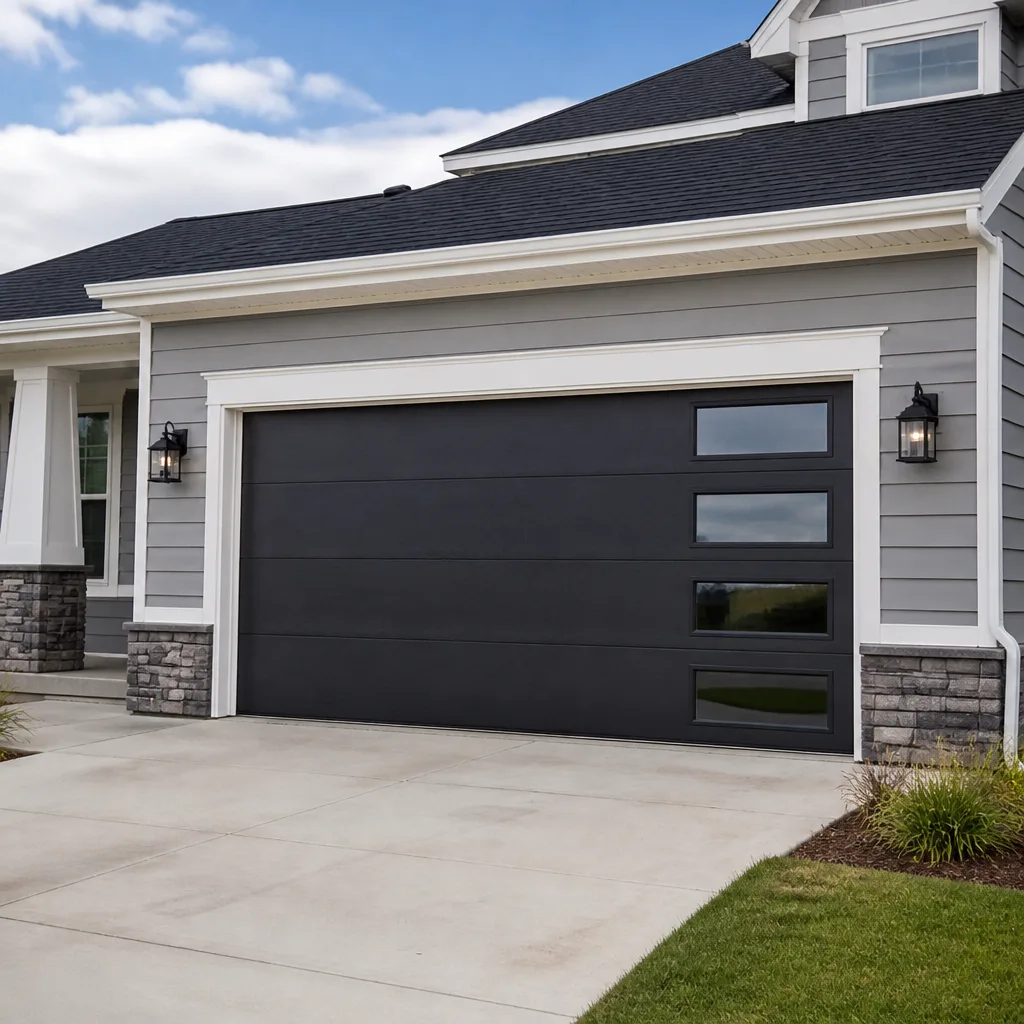 Impact garage doors
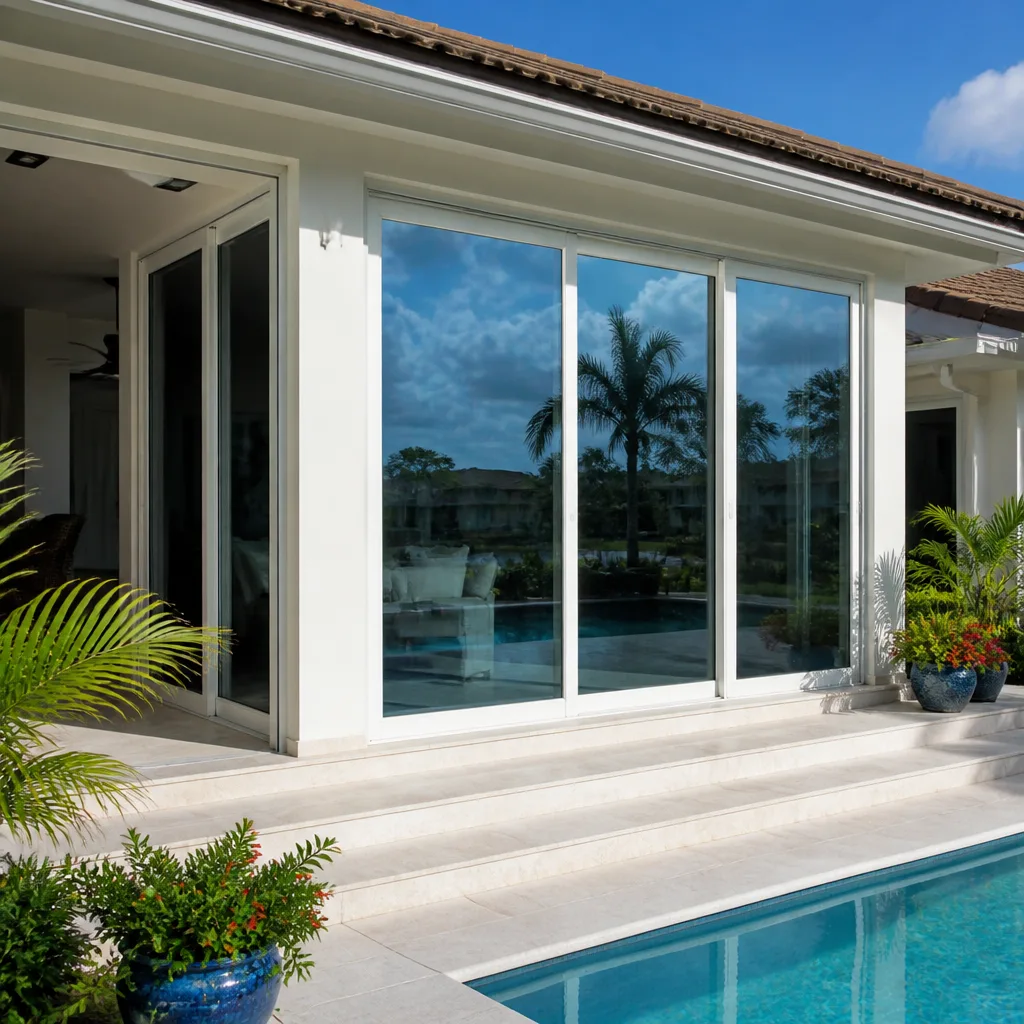 PGT
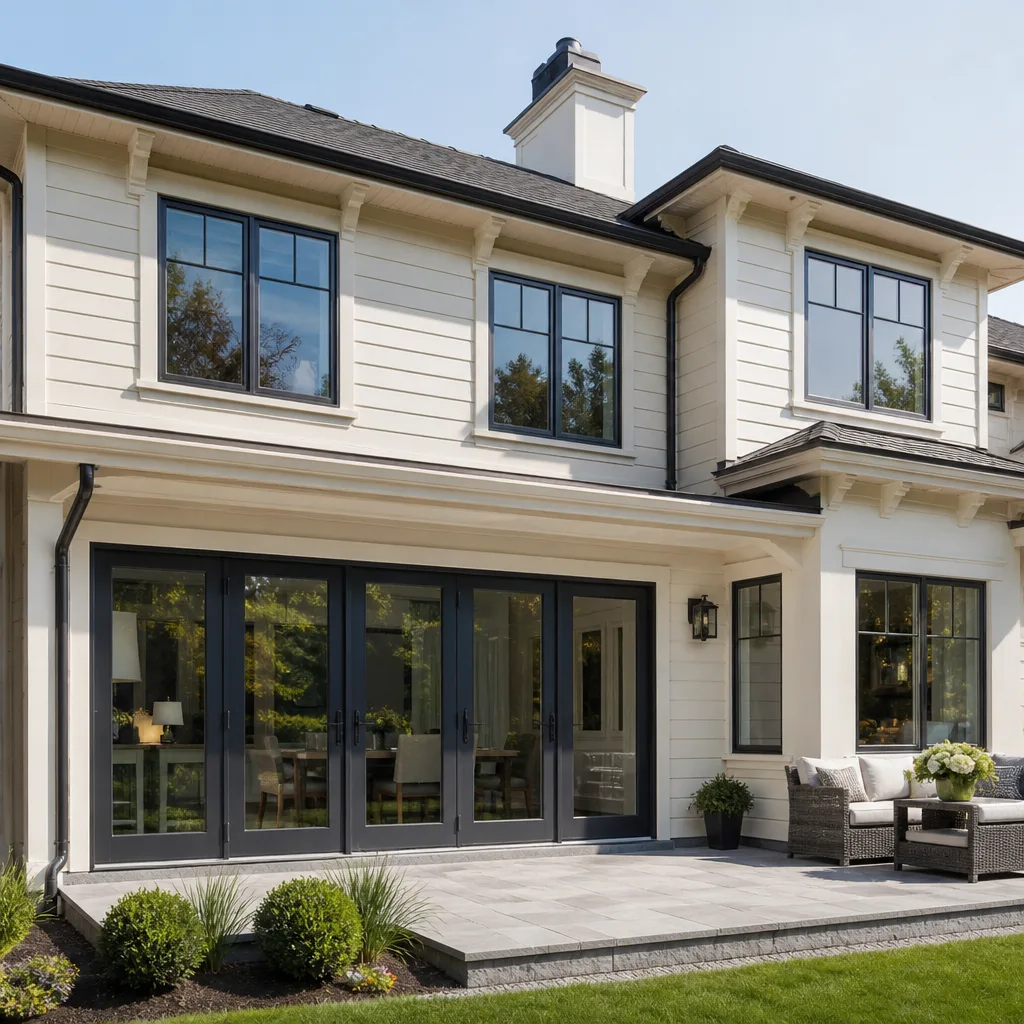 CGI
Free in-home measure and quote - PGT, CGI and CWS impact lines compared on your actual openings, style by style
Get your free estimateWindows & Doors Cost Breakdown: The Enterprise Homeowner’s Reference for 2026
The national average window replacement cost cited on most home improvement sites is $400 – $900 per window – a range so wide it’s useless, and built on data from markets where low-e coatings are a nice-to-have rather than a heat-load necessity. Clark County’s desert climate inverts that. Here, a south-facing single-pane window is a year-round HVAC liability, permits carry real fees, and Nevada contractor licensing adds overhead a national calculator never sees. This guide prices real projects at real Enterprise conditions for 2026, covering window replacement, window installation, and door installation, and explains where the money actually goes.
Quick Answer
Window replacement in Enterprise, NV in 2026 typically runs $650 – $1,400 per opening for a standard single-hung or slider with an energy-efficient glass package, while door installation runs $900 – $3,200 depending on the door type and the rough opening. A whole-home project usually lands between $9,000 and $24,000 for 12 to 18 windows once permits, stucco repair, trim work, and haul-away are included. The written estimate sets the final price, and estimates from Enterprise Windows & Doors are free.
Styles & brands we work with
- Single hung
- Double hung
- Horizontal roller
- Casement
- Bay & bow
- Sliding glass doors
- Entry doors
- Impact garage doors
- PGT
- CGI
Table of Contents
- Per-project cost matrix by window type
- Why glass package upgrades pay back faster in Enterprise
- How an eight-brand portfolio changes the cost conversation
- The hidden cost categories most estimates omit
- What door installation actually costs
- The 2026 financing and rebate landscape
- How to read a window estimate line by line
- How the job runs from estimate to final inspection
What Does Window Replacement Cost Per Opening in Enterprise?
A standard single-hung window replacement in Enterprise with an energy-efficient glass package runs roughly $650 – $1,050 installed, and a casement of the same size runs $850 – $1,350. Those ranges include the labor, the standard trim finish, and disposal of the old unit. They do not include stucco repair, which is priced separately on most desert-market homes, or permit fees, which Clark County charges per project rather than per window.
Here’s how the per-opening picture breaks down by window type for 2026:
- Single-hung: $650 – $1,050. The most common replacement on stucco homes in Enterprise because the operating sash matches the original opening without re-framing.
- Casement: $850 – $1,350. Higher hardware cost; better for capturing west-facing afternoon sun control when paired with the right glass.
- Picture window: $700 – $1,400. Fewer moving parts, but large panes command thicker glass and heavier framing.
- Slider: $800 – $1,500. Common on rear patio openings; wider units need larger rough openings and more trim.
- Bay or bow: $2,200 – $4,800. Structural, with a roof section, and the most labor-intensive install in the list.
Labor in Enterprise runs higher than the national mid-range because every install here involves cutting back stucco and re-flashing a rough opening into a masonry wall assembly. A vinyl-on-wood-frame home takes less prep than a full stucco-to-sheathing wall, and the estimate should tell you which scope you’re getting. When you’re comparing bids, compare the per-opening line item, not the whole-home total. A company quoting eight windows at $700 each and another quoting eight at $1,100 each may differ by brand, glass package, trim scope, or all three.
One local detail worth knowing: most Enterprise subdivisions use one or two standard window sizes across the whole street pattern. That means standard sizes cost less because they’re built to order in volume, and a custom opening costs meaningfully more. If you’re pricing a whole-home job, ask each bidder to confirm which windows are standard and which are custom.
The written estimate sets the final price. Get yours free by calling (877) 558-4821.
Why Glass Package Upgrades Pay Back Faster in Enterprise Than National Models Predict
Glass package upgrades have a faster payback in Enterprise than national energy models predict, because cooling load dominates the annual energy bill here and the models average heating and cooling across all climates. The upgrade cost shows up once; the cooling savings repeat every summer for the life of the window.
Here’s the simplified calculation we use when a homeowner asks whether to step up to a better glass package:
- Estimate your annual cooling spend on the windows being replaced. A rough share of 20 – 30% of the total summer electric bill is a reasonable starting figure for older glass in this climate.
- Apply the performance difference between the old glass and the new package. A step from clear single-pane to a properly rated low-e double-pane is a larger jump than from low-e double to low-e triple.
- Subtract the upgrade cost from the annual savings to get payback years. When the payback lands under ten years in Enterprise, most homeowners we speak with take the upgrade.
- Add the comfort factor. A window that no longer turns a west-facing bedroom into an oven by 4pm has value that doesn’t show up in a kWh figure.
What actually moves the number in this climate:
- Low-e coating and solar heat gain control: The single biggest driver of summer cooling load in a desert climate. This is why the high-SHGC-rated package that’s optional in cooler markets is close to essential in Enterprise.
- Argon vs. krypton fill: Argon is the standard value choice. Krypton performs better in narrow gaps and thinner frames, but the cost jump needs to be justified by the specific window construction – not every application benefits.
- Triple-pane: Worth pricing for exposed west-facing glass, less compelling on shaded north openings. It’s not automatically the right answer.
The point is this: the glass specification matters more in Enterprise than the national cost calculators assume. Make sure your estimate states the SHGC rating on the glass, not just “energy-efficient.”
How Does an Eight-Brand Portfolio Change the Cost Conversation?
An eight-brand portfolio changes the cost conversation because it lets the installer match the product to the project rather than the project to the inventory. When a dealer carries one or two brands, every recommendation trends toward what’s on hand; when the lineup spans impact-rated and energy-efficient lines, the recommendation can be priced against your actual requirement.
At Enterprise Windows & Doors, we carry eight named brands: PGT, CGI, CWS, ES Windows, ECO Window Systems, Mr-Glass, Therma-Tru, and ViewLux. The practical effect on pricing is that a mid-tier brand sometimes matches a premium brand’s thermal performance for a standard opening while costing noticeably less. We’ve seen that pattern often enough that we quote both when a homeowner’s requirement sits in the overlap. For an efficiency-focused build, a brand like ECO Window Systems carries the performance spec a premium line would, in many cases, at a lower opening cost. For an entry-level re-glaze or a single broken unit, Mr-Glass keeps the cost down without sacrificing the fit. For a premium patio door or entry system where the door is the design statement, Therma-Tru sits at the top of the range for good reason.
Brand-agnostic recommendation is the core of how we work. Because we sell competing lines, there’s no incentive to upsell what happens to be in a back room. The consultation works like this:
- Measure the openings and note the exposure – which face west, which are shaded, which are in the primary living space.
- Confirm the performance need: impact-rated protection, energy efficiency, design, or a mix across the home.
- Match the need to the brand and product line that carries the specification at the right price point.
- Quote two comparable options side by side so the homeowner can see the cost difference on paper.
Eight brands, one specialist, no guesswork. If you’re weighing a mid-tier line against a premium one for the same opening, our free estimate will show you both. Call (877) 558-4821.
What Hidden Costs Do Most Window Estimates Omit?
The hidden cost categories most window estimates omit are stucco repair around the new rough openings, interior trim matching, haul-away fees, and HOA documentation processing. Each is a real line item in Enterprise, and each can add meaningful money to a project that looked cheaper on the initial quote. A line-item written estimate should list them, not bury them.
Here’s the full list to check against any estimate you receive:
- Stucco repair: Replacing a window in a stucco wall means cutting back and patching the exterior finish. Patching and texture matching per opening is routine in this market. Skipping it and leaving the finish rough is the shortcut – check that the line is there.
- Interior trim matching: If the new window’s reveal doesn’t line up with the existing trim depth, you’re either trimming out the whole room or living with a step. The estimate should say which.
- Haul-away and disposal: Old windows, packaging, cut stucco, and glass all need to leave. A job that doesn’t price disposal is a job where you’re making dump runs.
- HOA architectural review: Many Enterprise subdivisions require architectural approval for exterior changes including window and door color. The processing time and any documentation fee belong in the project timeline and budget.
- Permit fees: Clark County charges for permits on window replacement in many cases, and the fee is a real line, not an afterthought. Confirm who pulls it.
- Tempered glass requirements: Windows near doors or low to the floor often require tempered glass for safety. The upgrade isn’t optional, and it does add cost – an estimate that misses it will grow.
We build all of these into the written estimate at window replacement so there are no change orders mid-project. If another contractor’s quote is dramatically lower than the rest, this list is usually why.
What Does Door Installation Cost in Enterprise?
Door installation in Enterprise typically runs $900 – $3,200 depending on door type, with a standard entry door at $1,200 – $2,400 and a patio slider at $1,800 – $3,600. A premium fiberglass or steel entry with upgraded hardware lands at the top of the range; a basic interior door swap at the bottom. Rough-opening changes, frame repair, and any structural work add above these figures.
The breakdown by type:
- Entry door (standard): $1,200 – $2,400. Fiberglass and steel are both common here because they hold up to desert sun without the maintenance a wood door needs.
- Patio slider: $1,800 – $3,600. Wider opening, more glass, and often the door most affected by heat gain on a west-facing wall.
- French or double door: $2,400 – $4,800. Two operating panels, more hardware, and a wider rough opening.
- Interior door: $350 – $900. Lower labor, but hollow-core and solid-core differ meaningfully in price.
For entry doors, thermal performance matters in Enterprise just as it does for windows. A poorly insulated entry door on a west-facing wall can undo much of the gain from an upgraded window package, which is why we treat the door and the window as part of the same thermal envelope. Therma-Tru is a recognized national door brand, and the door’s insulated core is a real factor in cooling cost. ES Windows and CWS round out the door-adjacent glass for patio and sidelight applications.
Door installation involves the same permit, stucco, and trim considerations as windows. Get a free line-item estimate by calling (877) 558-4821.
What Rebates and Tax Credits Apply to Window Upgrades in 2026?
The federal 25C tax credit can apply to qualifying window and door upgrades in 2026, and NV Energy offers residential efficiency rebates that some window and door products qualify for. Neither is automatic: the product must carry the right certification, and the homeowner needs the documentation collected at installation to claim either. Confirm current program details with NV Energy and the tax credit rules with a tax professional before relying on the amount.
Here’s what to collect at installation so you can claim what you’re owed:
- The manufacturer’s certification statement for each product, showing the model and performance ratings.
- The invoice showing the product and labor separately, since some programs require it.
- The permit number and the inspection sign-off, if applicable to the claimed item.
- The window or door NFRC label or a copy of it, showing U-factor and SHGC ratings.
- Any NV Energy rebate confirmation the installer provides on qualifying products.
On the financing side, project financing is common for whole-home jobs and worth asking about – it turns a lump-sum budget question into a monthly payment. We don’t publish a financing schedule here because terms vary; the estimate conversation is the place to ask what’s available for your project. What we will say: the price is set per job by the written estimate, and it doesn’t move because you asked about a rebate or a payment plan.
Ask about rebate-eligible and credit-eligible packages during your free estimate. Call (877) 558-4821.
How to Read a Window Estimate Line by Line
A good window estimate reads as a scope of work, not a total. Each opening should have its own line, with the product, brand, glass rating, trim scope, and labor shown separately and a permit line item below. If a bid you receive is a single number, ask for the breakdown before you sign.
Here’s the framework we use for our own estimates:
- Opening number and location – so a change is obvious and priced.
- Product and brand – the specific model, not just “energy-efficient window.”
- Glass package – U-factor and SHGC rating stated, plus fill type (argon or krypton).
- Frame and trim scope – whether interior trim is included and whether it matches existing.
- Exterior repair – the stucco patching and flashing line, priced separately.
- Disposal – haul-away included or not.
- Permit – whether it’s pulled and by whom.
- Warranty terms – product and labor handled in separate, clearly stated terms.
Two more details worth confirming on any bid. First, confirm who’s responsible for the HOA application if your subdivision requires one – it’s a common sticking point. Second, confirm the glass rating is stated on paper rather than described verbally. Our technicians have up to 11 years of experience, and every one of them works on windows and doors only – which is why we care whether the glass rating is written down.
How the Job Runs from Estimate to Final Inspection
A typical window or door project in Enterprise runs in five stages: free estimate, contract and permit, order and lead time, installation day, and final inspection. Plan on roughly six to ten weeks from signature to completion for a whole-home project, depending on lead times on the chosen brand and glass package. A single door or a small window job can close in less.
The stages look like this:
- Free estimate. We measure, photograph, and write the scope. No fee for this visit.
- Contract and permit. We sign the scope, pull the Clark County permit where required, and file the HOA documentation if your subdivision needs it.
- Order and lead time. Product is manufactured to order. Standard sizes move faster than custom; brands vary.
- Installation. The old units come out, the rough openings are prepped and flashed, the new units go in, and the exterior is patched and trimmed to match.
- Final inspection and walk-through. Where a permit was pulled, the inspection sign-off is part of the job. You and we walk the openings together.
For window installation on new construction or an addition, the sequence is the same but ties to the framing and rough-in schedule instead of a removal. For a retrofit, the rough opening is already there and the job is faster.
We answer 24/7 at (877) 558-4821. Fast dispatch from 7am to 7pm, Sunday through Friday. Estimates are free.
Common Mistakes to Avoid
- Shopping the total instead of the line item. A whole-home price says nothing about what’s in it. Two bids can differ by thousands because one omitted stucco repair, trim matching, or the permit – not because one installer is cheaper.
- Assuming “energy-efficient” means the same thing in every quote. The glass rating is what matters. If the estimate doesn’t state the SHGC and U-factor, ask for them in writing before you compare.
- Skipping the HOA application. Many Enterprise subdivisions require architectural approval for exterior changes including door color and window style. Getting to install day without approval can mean a stop-work or a re-do.
- Letting the door get forgotten. An upgraded window package with an uninsulated old entry door on the same wall loses much of the gain. Price both openings together.
- Not collecting documentation for rebates and credits. The window product and the invoice must show the performance ratings. If you don’t collect them at installation, you may not be able to claim later.
- Buying the brand before matching the product to the opening. A premium line isn’t automatically better on every opening. West-facing glass needs different treatment from a shaded north window.
- Assuming national cost averages apply. Clark County permit fees, Nevada licensing overhead, and the mandatory heat-load glass package all push cost away from the national mid-range in Enterprise.
See the difference
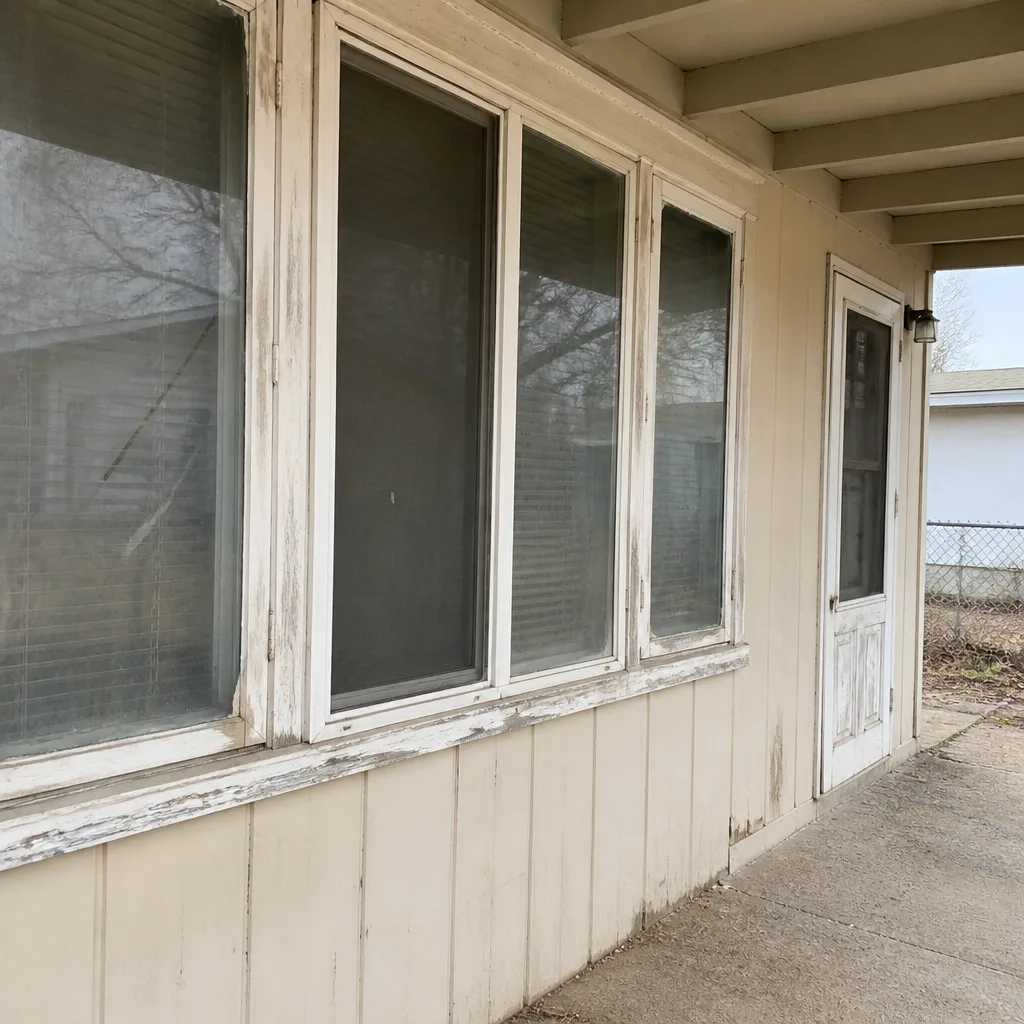 Before
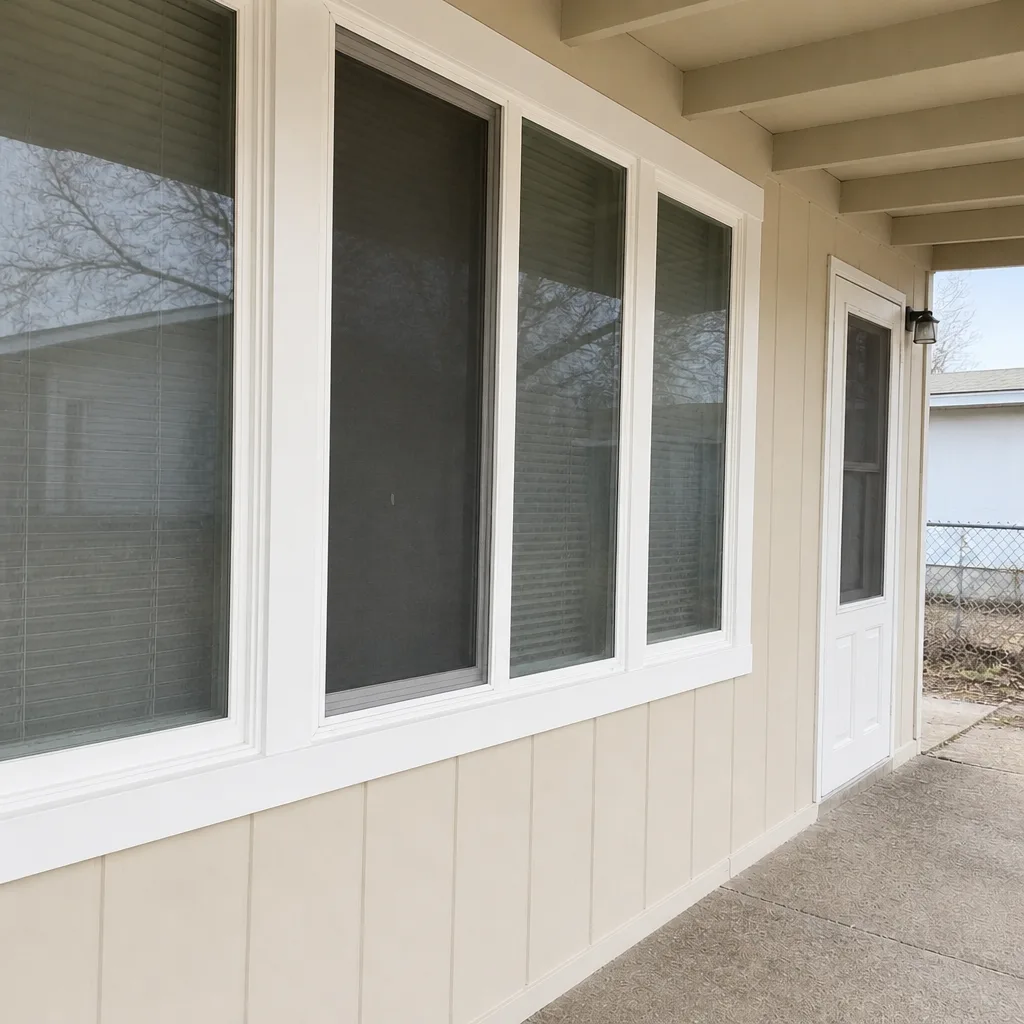 After
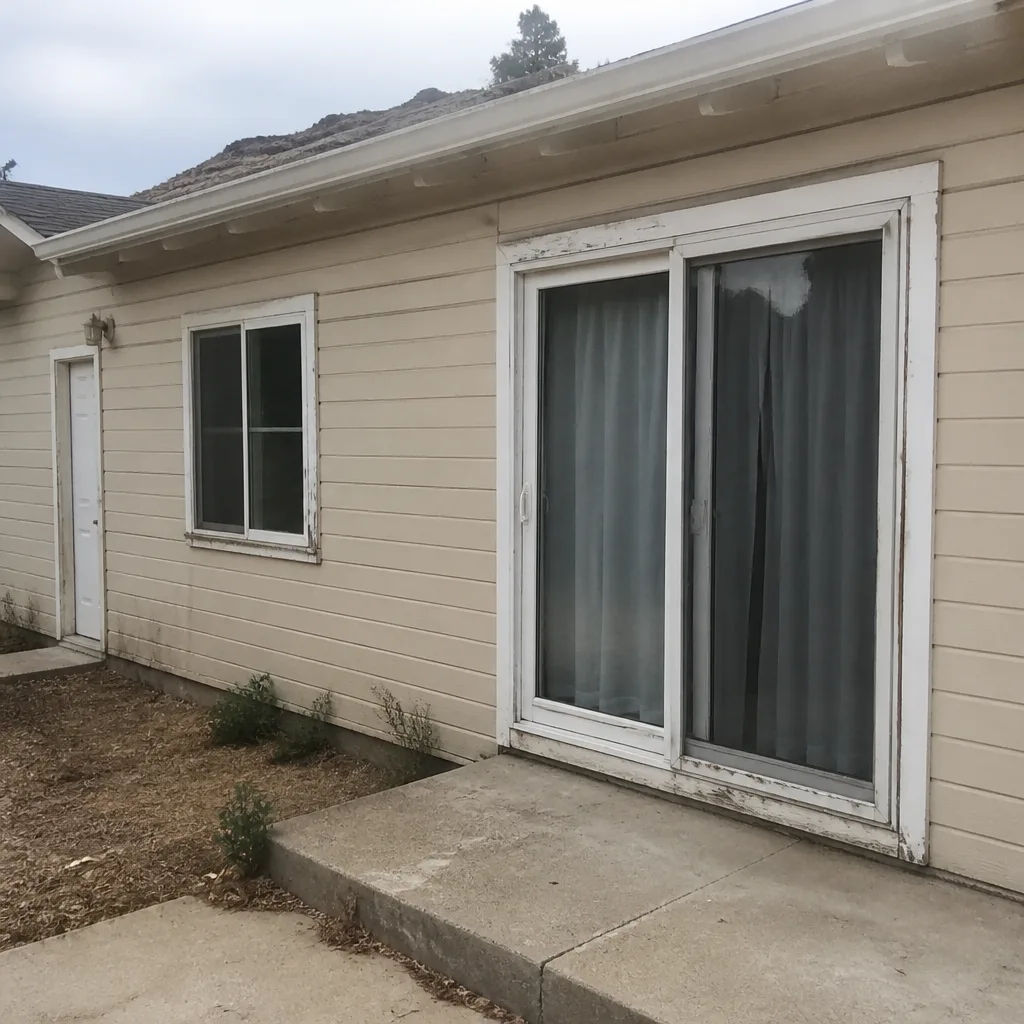 Before
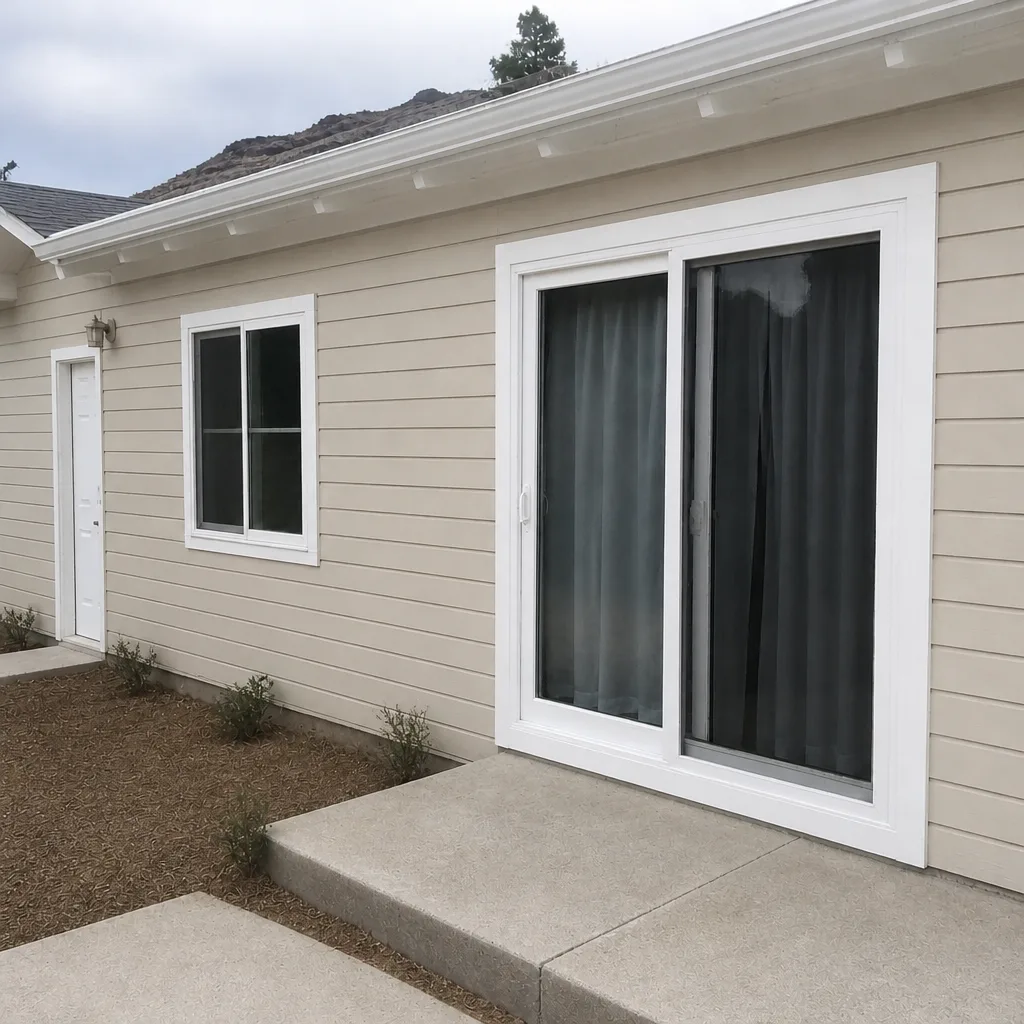 After
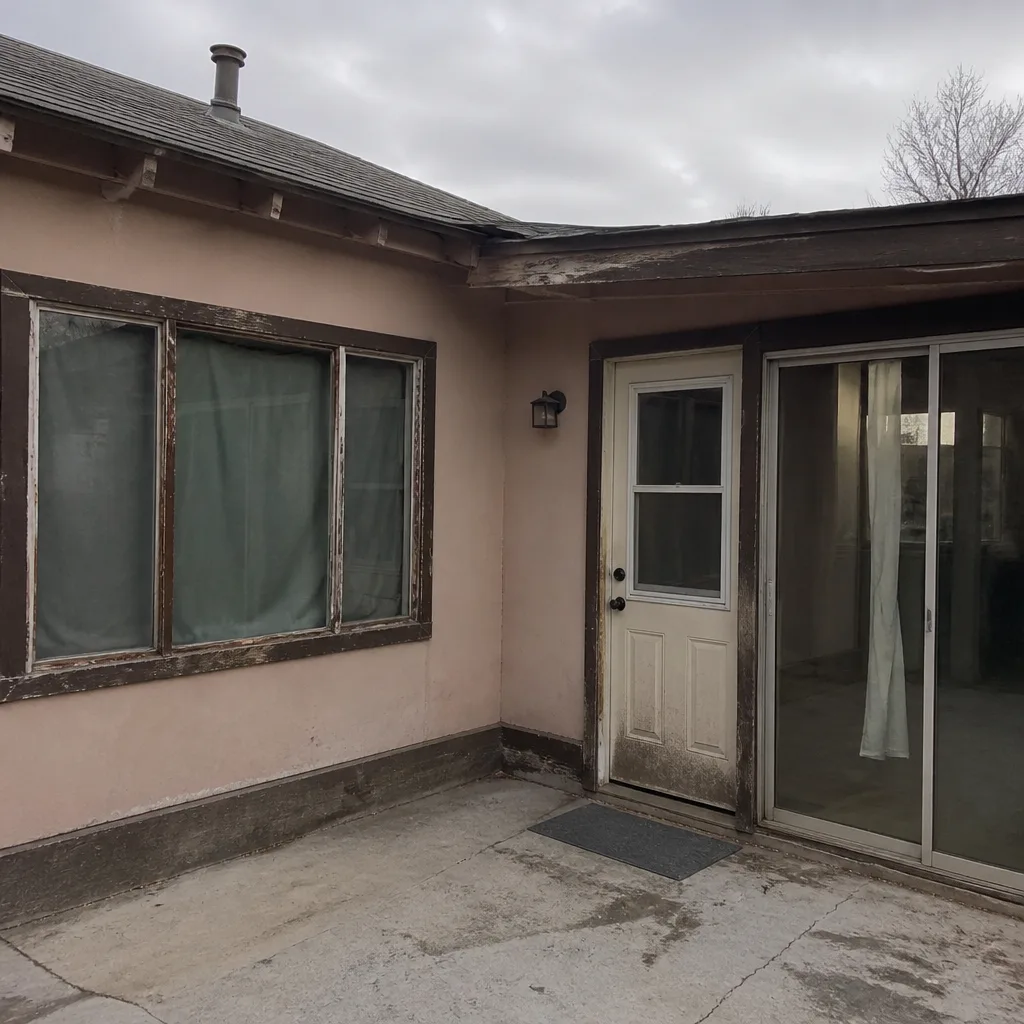 Before
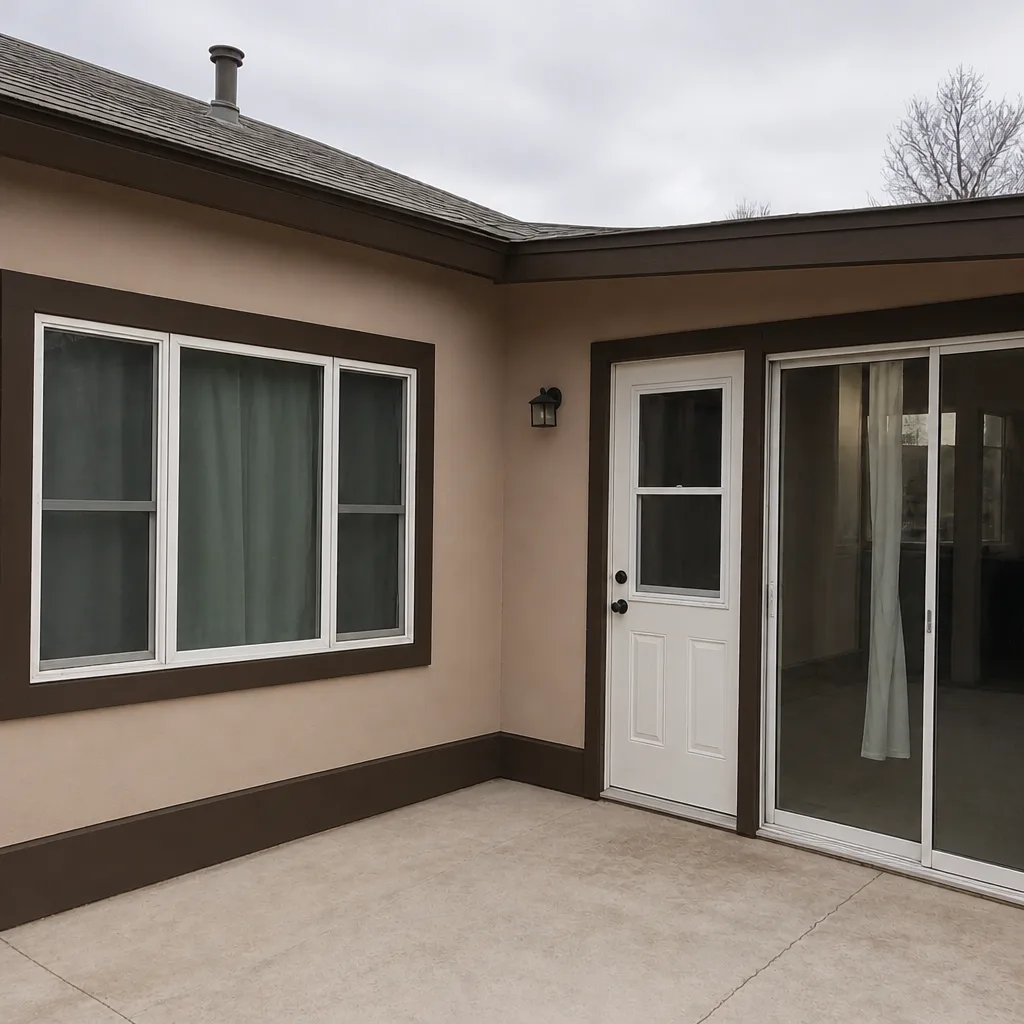 After
When to Call a Professional
Call a professional when you’re planning more than one opening, when the existing window or door frame is compromised, or when the glass package needs to change for performance. Fogging between panes, a draft that won’t quit, a patio door that drags on the track, or a window that won’t stay up are all signals the opening needs an installer, not a repair kit. Whole-home jobs also benefit from a written line-item scope – the alternative is a surprise stucco or trim bill mid-project. Enterprise Windows & Doors offers free estimates in Enterprise – call (877) 558-4821. We answer 24/7. Fast dispatch from 7am to 7pm, Sunday through Friday.
Frequently Asked Questions
Window replacement in Enterprise typically costs $650 – $1,400 per opening for a standard window with an energy-efficient glass package, and a whole-home project of 12 to 18 windows usually runs $9,000 – $24,000 before permits and stucco repair. The written estimate sets the final price. Call (877) 558-4821 to schedule your free estimate.
No – the written estimate sets the price, and we build stucco repair, trim matching, haul-away, and the permit into that estimate so there are no change orders mid-project. If the scope changes because you add an opening, the added line is priced and approved first. Call (877) 558-4821 for a written line-item quote.
Yes – we pull the Clark County permit where required and coordinate the final inspection. The permit fee is a stated line item on the estimate, not buried in the total. Confirm permit handling on any bid you receive. Call (877) 558-4821 to talk through your project.
A whole-home window project in Enterprise usually takes six to ten weeks from signature to completion, with the installation itself typically running a few days depending on how many openings and how much stucco patching is needed. Custom sizes and specialty glass extend the lead time. Call (877) 558-4821 for a timeline on your specific scope.
The eight brands let us match the product to the opening rather than the other way around – PGT and CGI for impact-rated performance, ECO Window Systems and ES Windows for energy efficiency, Mr-Glass for entry-level replacements, CWS for a broad mid-tier range, Therma-Tru for premium door systems, and ViewLux to round out the lineup. The right brand depends on the opening and the performance need. Call (877) 558-4821 for a two-option comparison on your project.
Not always, but the entry and patio doors matter for the same thermal envelope in Enterprise. If a west-facing entry door is uninsulated, upgrading the windows on the same wall delivers less than the glass rating promises. We price doors and windows together so you can see the combined effect. Call (877) 558-4821 for a free combined estimate.
The Bottom Line
Window and door pricing in Enterprise in 2026 is set by Clark County permit fees, Nevada contractor licensing overhead, stucco and trim scope, and the mandatory heat-load glass package for west-facing openings. The national average range of $400 – $900 is a starting point that assumes a cooler market and a lighter glass spec. A realistic per-opening budget here is $650 – $1,400 for windows and $900 – $3,200 for doors, with whole-home projects typically landing between $9,000 and $24,000 once the omitted costs are placed back in the estimate. The written estimate sets the final price, and an eight-brand portfolio means the product matches the project. Call (877) 558-4821 to schedule your free estimate. We answer 24/7. Fast dispatch from 7am to 7pm, Sunday through Friday.
Visit our page for Enterprise to see how we handle local projects, and if you’re weighing a full-house package, our team at Enterprise Windows & Doors handles window replacement and door installation under the same warranty conversation. We’re happy to sit down with your existing bid and tell you what’s in it.
Written by the team at Enterprise Windows & Doors.