Last updated November 18, 2026
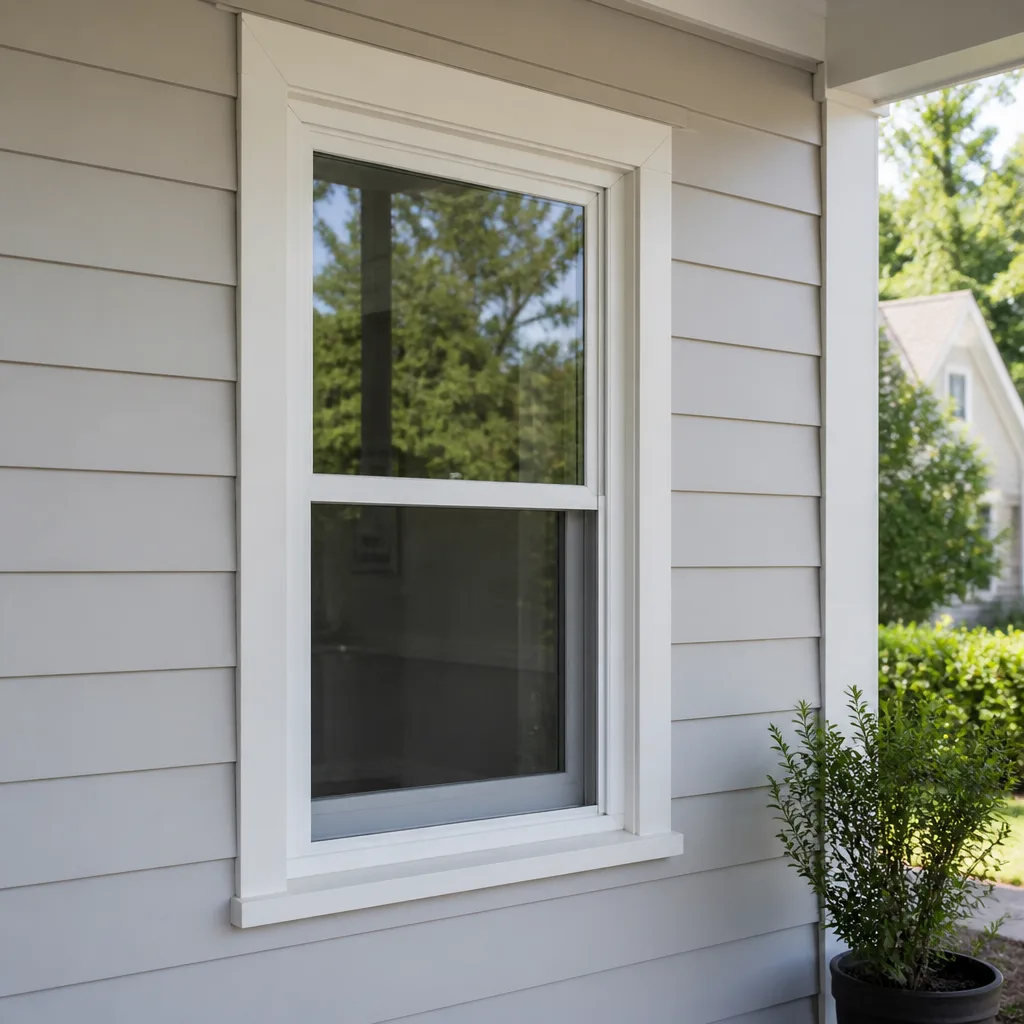 Single hung
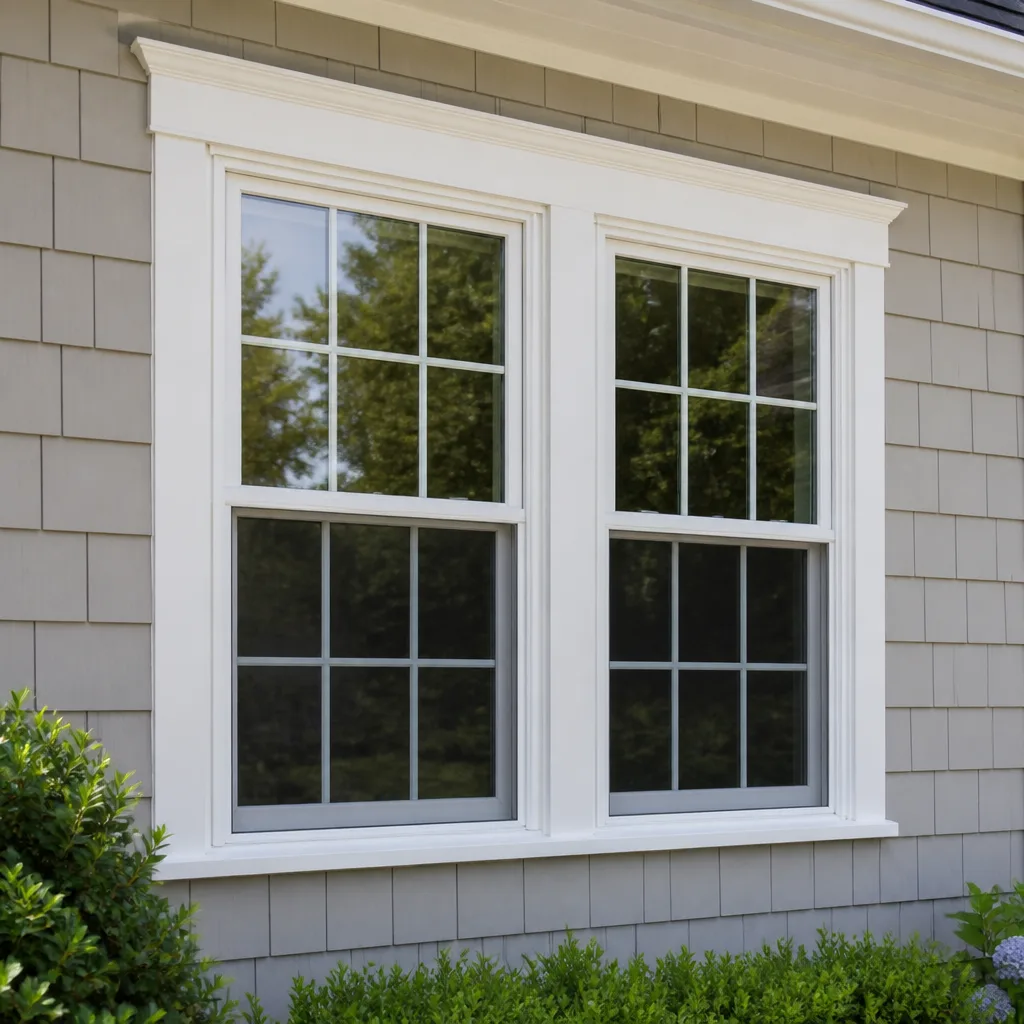 Double hung
 Horizontal roller
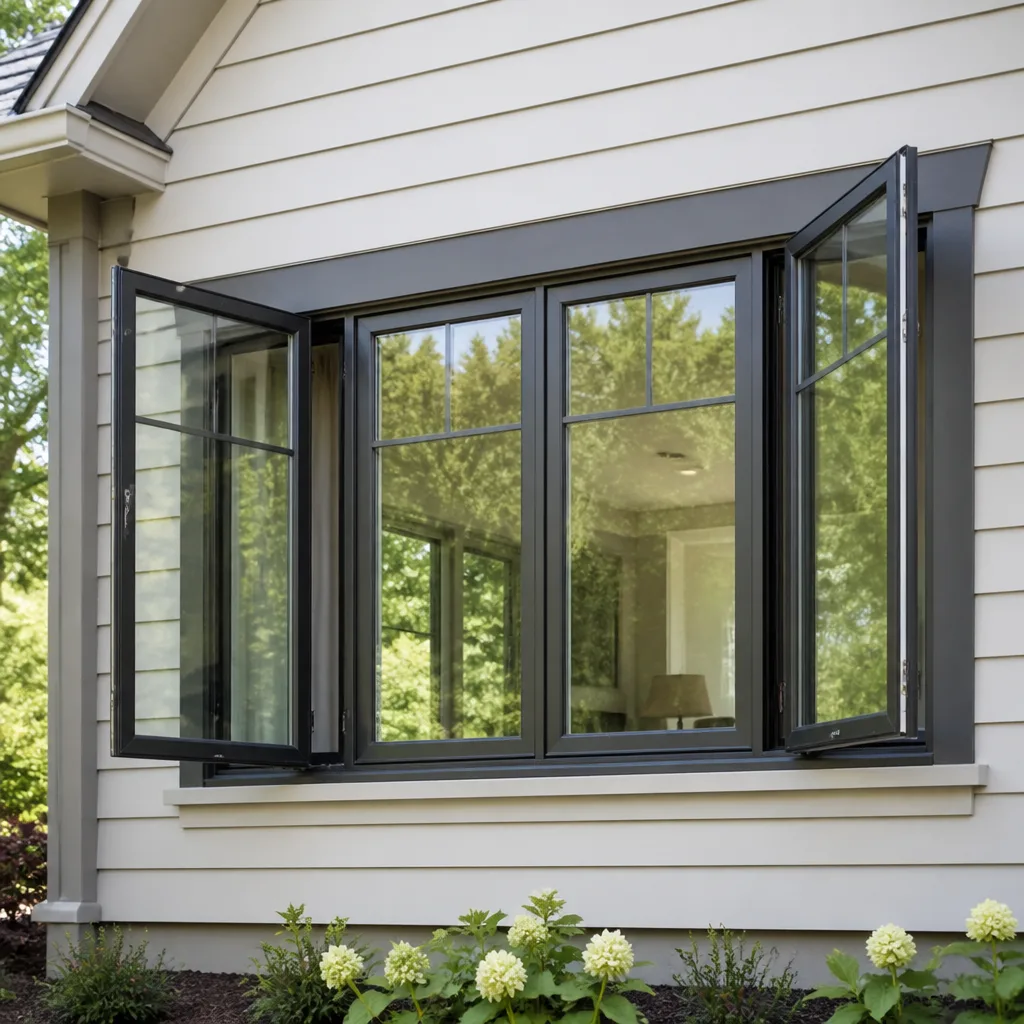 Casement
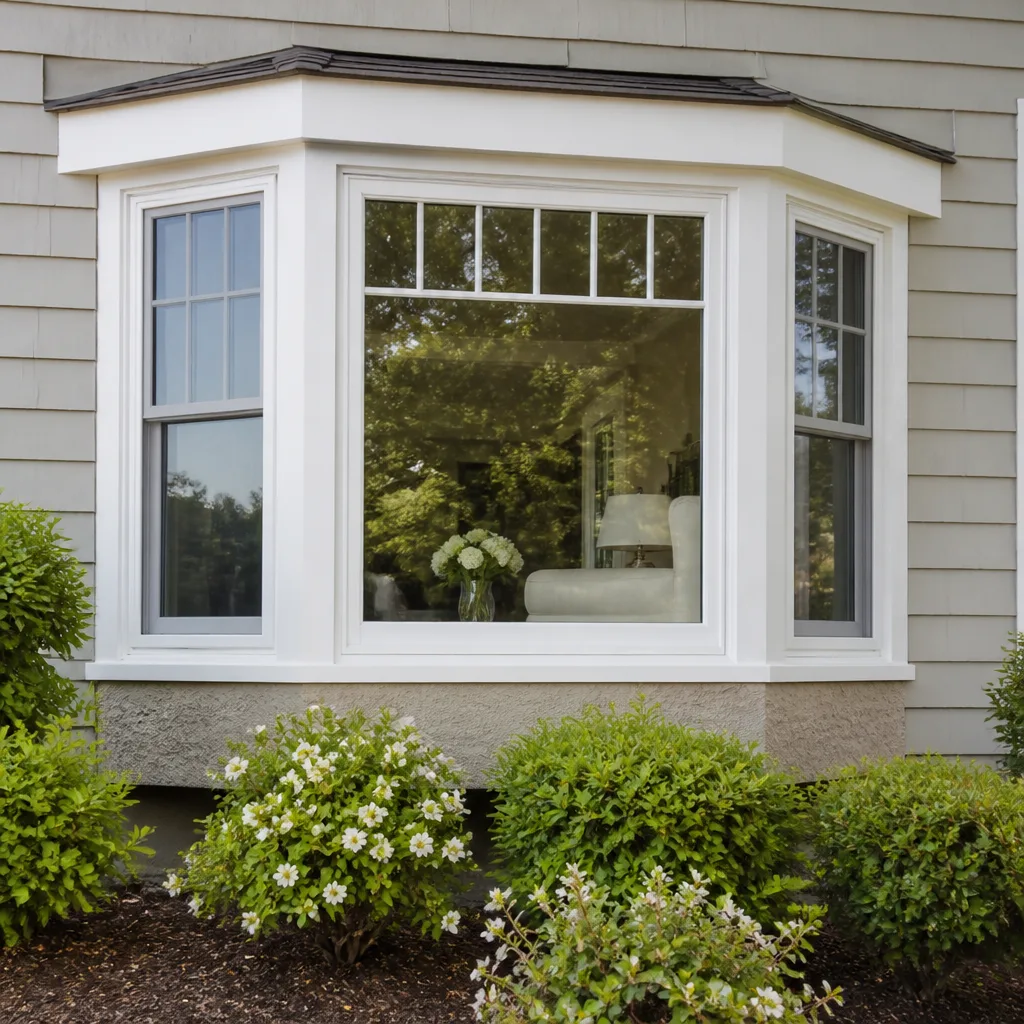 Bay & bow
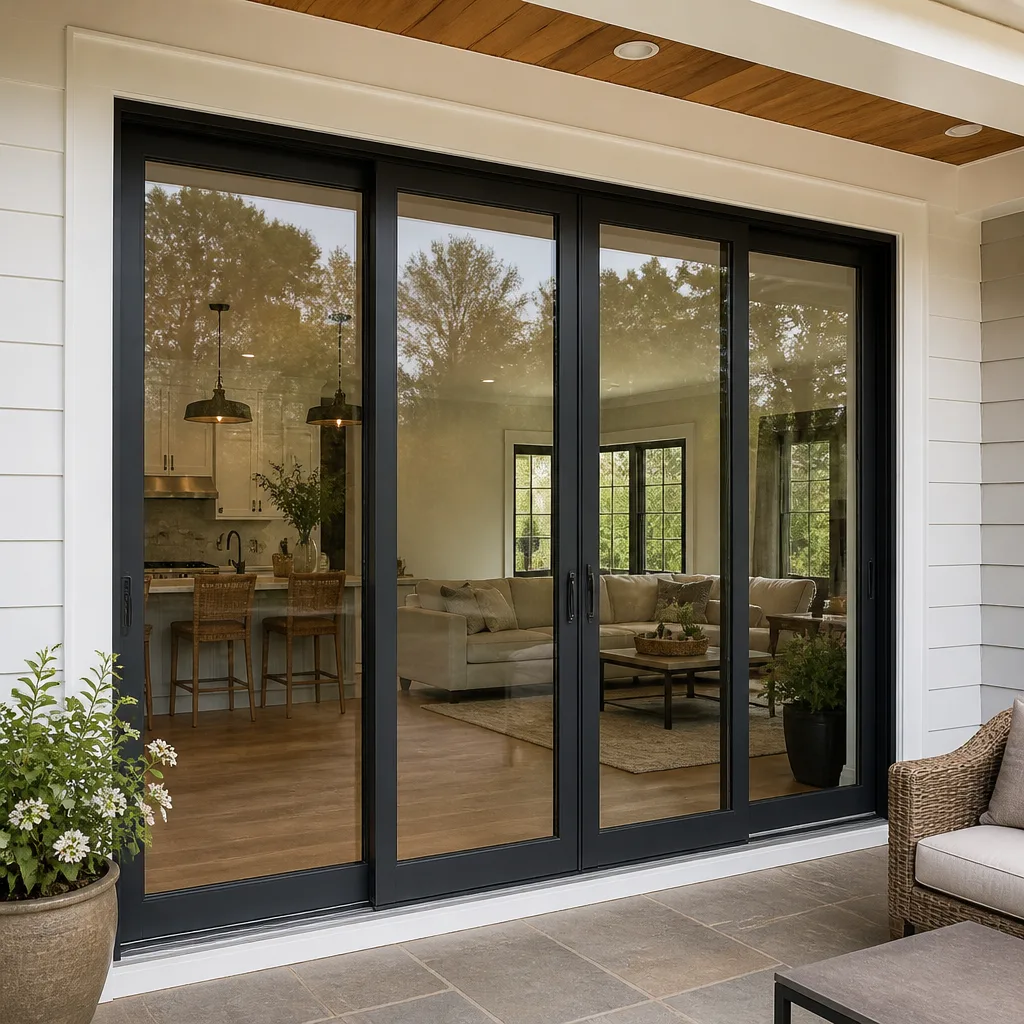 Sliding glass doors
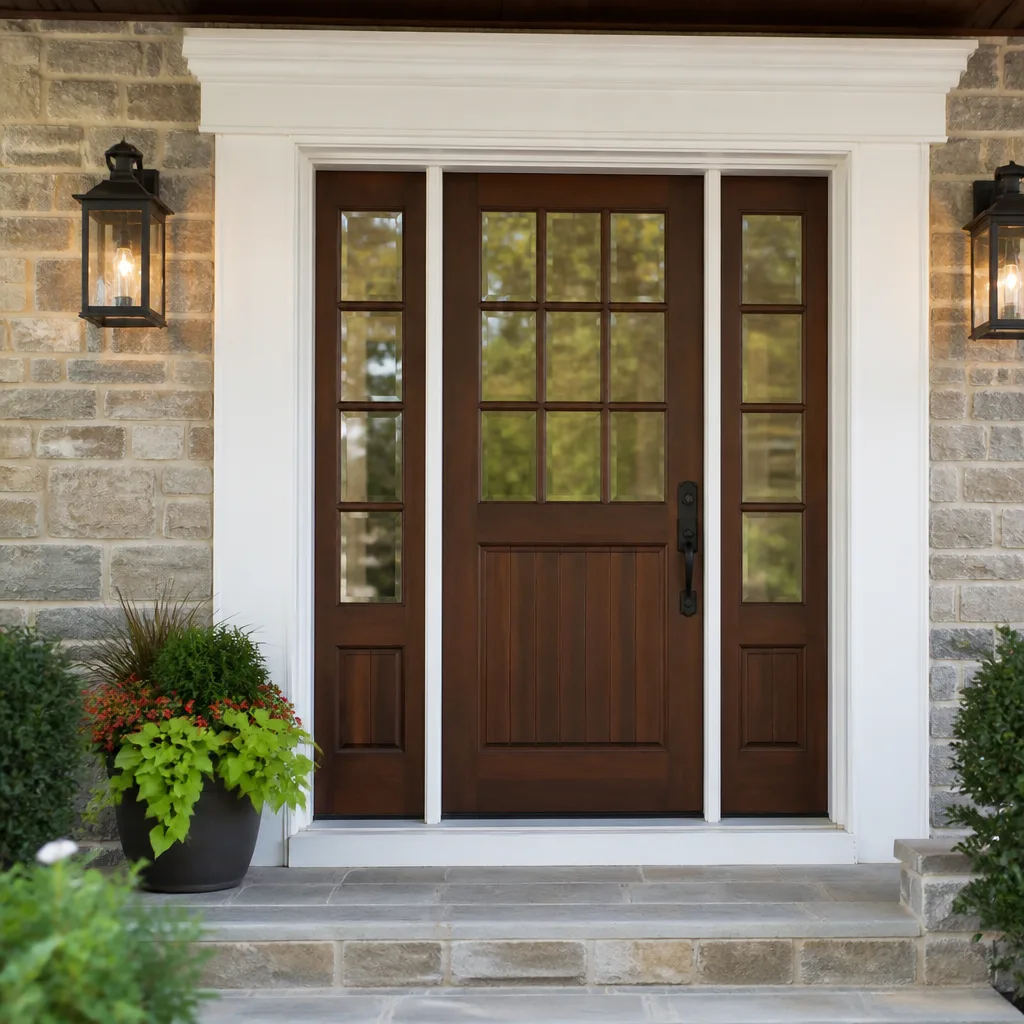 Entry doors
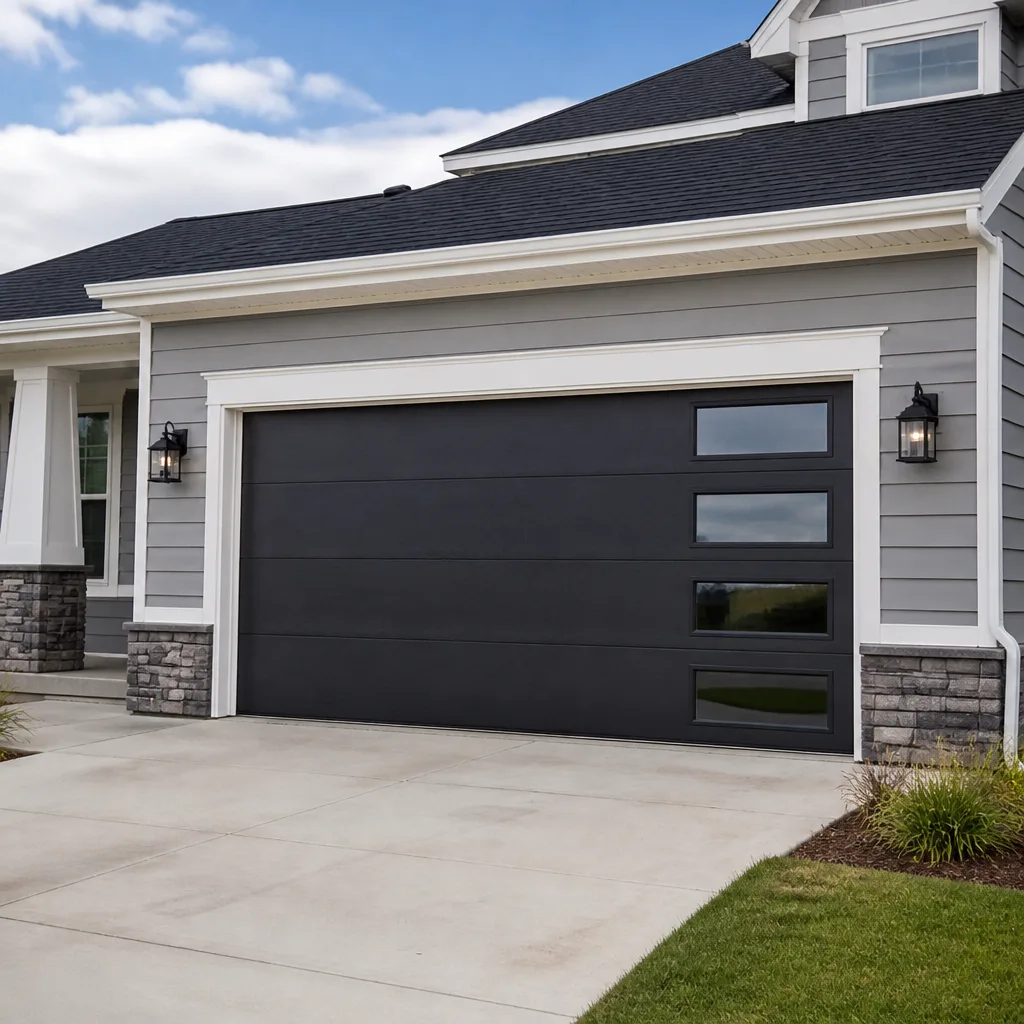 Impact garage doors
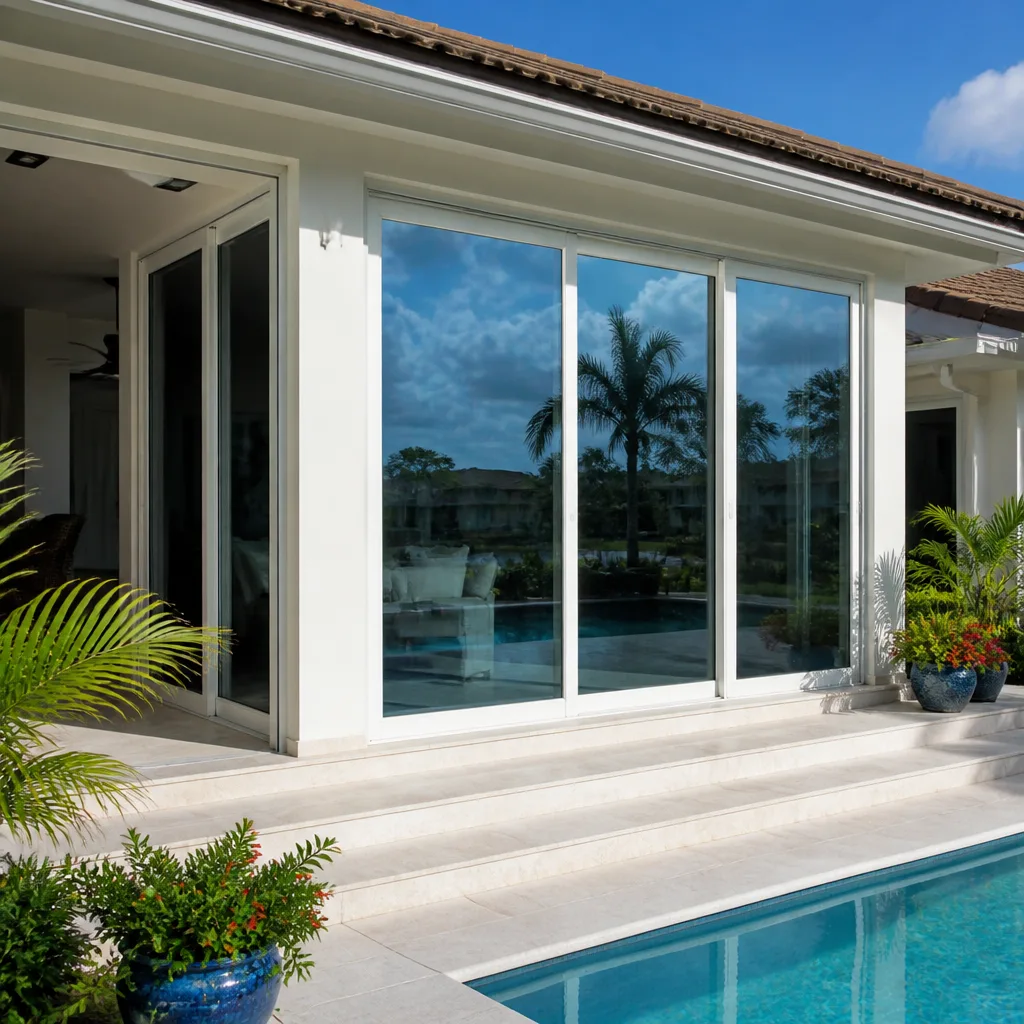 PGT
 CGI
Free in-home measure and quote - PGT, CGI and CWS impact lines compared on your actual openings, style by style
Get your free estimateWindow Replacement Troubleshooting in Enterprise: Common Problems and How to Fix Them
A fogged double-pane window and a drafty window look like two separate problems, but they often share one root cause: a compromised seal. That matters more than most homeowners realize. In our experience across Enterprise, the majority of “failed window” calls we see turn out to be installation or specification errors rather than product defects, and the difference decides whether you need a repair, a warranty claim, or a full replacement you never needed. This guide teaches you to diagnose the actual failure point before you call anyone. You’ll learn to separate seal failure from frame warping and sash misalignment, read condensation correctly, spot the flashing failures behind stucco cracks, and understand how vinyl and fiberglass behave through the Las Vegas Valley’s wild temperature swings.
Quick Answer
Most window problems in Enterprise trace to one of four failure points: a broken glass seal (fogging between panes), frame or sash misalignment, water intrusion from failed flashing and weatherproofing, or normal condensation from interior humidity. Diagnosing which one you have before calling a contractor is the single biggest factor in whether you get a targeted repair, a manufacturer warranty claim, or an unnecessary full window replacement. A whole-unit replacement is often not the answer when the glass unit or the flashing is the actual culprit.
Styles & brands we work with
- Single hung
- Double hung
- Horizontal roller
- Casement
- Bay & bow
- Sliding glass doors
- Entry doors
- Impact garage doors
- PGT
- CGI
Table of Contents
- How to Diagnose Which Window Problem You Actually Have
- Seal Failure, Foggy Glass, and the Sash Swap Option
- Frame Warping vs. Sash Misalignment: Different Fixes, Different Costs
- Why Stucco Cracks Around Windows in Enterprise Point to Flashing
- Vinyl vs. Fiberglass: How Each Handles the Nevada Temperature Swing
- Interior vs. Between-Pane vs. Exterior Condensation: What Each Means
- How to File a Manufacturer Warranty Claim Through a Multi-Brand Dealer
- Matching the Brand to the Failure Point
How to Diagnose Which Window Problem You Actually Have
Before you call anyone, spend fifteen minutes identifying where the failure lives. Windows have three distinct zones that fail independently: the glass unit, the frame and sash, and the rough opening where the window meets the wall. Each zone has its own repair path, its own price tier, and its own warranty coverage. Homeowners who skip this step often describe a “bad window” when what they have is a bad install.
Here’s the sequence we walk Enterprise homeowners through on the phone, and it works whether you eventually hire us or not:
- Look at the glass itself. Is the fog or film between the panes, or on the room-side surface? Between-pane fog means the sealed glass unit has failed. Surface moisture wipes away.
- Check the frame for square. Open the window slightly and look at the gap. A sash that binds, rubs, or won’t latch usually signals frame or hinge misalignment, not glass failure.
- Run your hand around the interior trim on a windy day. A draft at the trim, not the sash, points to air leaking around the rough opening – an installation or insulation issue.
- Inspect the exterior perimeter. Cracks in the stucco, gaps in sealant, or staining below the sill mean water is getting behind the frame.
- Note the timing. Fog that appears only in early morning and clears by midday is condensation. Fog that never clears is seal failure.
Those five checks separate the four failure categories. From there, the rest of this guide tells you what each one means and what a fair fix looks like. If you’d rather have a specialist walk the windows with you, that’s what a free estimate is for – but going in able to describe what you see makes the conversation far more useful.
Seal Failure, Foggy Glass, and the Sash Swap Option
Foggy glass is the most misunderstood problem in window replacement. A double-pane window is a sealed unit – two panes bonded around a spacer with desiccant inside to absorb residual moisture. When that perimeter seal fails, moisture enters the gap and condenses on the inner faces of the glass. Once the desiccant is saturated, the fog becomes permanent. No cleaning, no coating, and no amount of wiping will fix it, because the problem is inside a cavity you can’t reach.
Here’s what most homeowners don’t hear: you often don’t need a new window, you need a new glass unit. In many frame styles – especially vinyl and fiberglass sashes – the insulated glass unit (IGU) can be replaced independently of the frame. That’s a partial replacement, and it costs less than tearing out the whole window because the frame, trim, and wall opening all stay intact. Installing a replacement glass unit is a specialized job, though, and it only works if the frame is sound and square.
When a sash swap or glass replacement makes sense:
- The frame and sash are solid, square, and don’t leak around the perimeter.
- The fogging started recently and is confined to one or two windows.
- The window is still under its manufacturer glass warranty.
- The frame style and brand are still available or the IGU is a standard size.
When a full replacement is the honest answer: the frame is warped, the sash is cracked, the original unit was undersized or poorly installed, or every window on that elevation has failed at once (a sign of a bad batch or a bad install, not a one-off). A specialist who carries multiple brands – including lines like PGT and CGI – can tell you which path applies to your specific windows rather than defaulting to a full replacement quote.
Frame Warping vs. Sash Misalignment: Different Fixes, Different Costs
These two look similar because both produce a window that doesn’t close right, but they’re entirely different problems. Frame warping is the window’s opening being out of square or the frame itself bowing. Sash misalignment is the moving panel binding in a frame that’s actually fine. The fix and the cost tier diverge sharply once you know which you have.
Frame warping usually comes from one of three sources: the rough opening was never square to begin with, the frame was compressed during installation, or the frame material has moved with temperature and stress over time. A warped frame shows up as daylight at the corners, a consistent gap on one side, or a sash that rubs along its whole length. Fixing it is a structural conversation, and sometimes the frame has to be shimmed, reset, or replaced. This is an installation-quality issue, and it’s exactly the kind of failure that a proper install prevents.
Sash misalignment is more common and more forgiving. The panel sits crooked in the frame because a hinge has loosened, a pivot bar has shifted, or the hardware has worn. Signs include a sash that binds near the top or bottom, a latch that won’t catch cleanly, or a sliding panel that jumps its track. Realigning a sash is often a hardware adjustment or part replacement, not a window replacement.
Why this distinction matters in Enterprise: our homes sit through real thermal cycling, and frames that were installed without proper shims or expansion allowance move more over time. When the frame is the problem, fixing the sash alone won’t hold. When the sash is the problem, quoting a full window is overkill. Walking this line correctly is the difference between a right-priced repair and a five-figure replacement you didn’t need.
Why Stucco Cracks Around Windows in Enterprise Point to Flashing
If you see a crack in the stucco that runs away from a window corner, or a hairline gap where the stucco meets the window frame, read it as a flashing and weatherproofing problem first – not a stucco problem, and not proof the window itself is defective. In our experience this is the most misdiagnosed issue in Enterprise homes, and it’s almost always an installation failure rather than a product failure.
Stucco is a rigid exterior skin. Windows are openings in that skin, and every opening needs a water-management system behind it: a sloped sill, a moisture barrier lapped correctly, and flashing that directs water out and away rather than trapping it against the wall. When the flashing is missing, reversed, or never lapped right, water finds its way behind the stucco. That water moves, freezes and thaws through our cool nights, and the movement shows up as a crack. The crack is a symptom. The flashing is the cause.
What to look for around each window:
- Cracks radiating from window corners, especially on the lower corners.
- Gaps where sealant has pulled away from the window frame.
- Staining, efflorescence, or soft stucco below the sill.
- Interior drywall or paint bubbling near the window – water arriving from behind.
This is a hard truth about re-window projects: the product can be excellent and the job still fail if the rough opening isn’t detailed correctly. It’s the reason we treat flashing and weatherproofing as part of the window job itself, not an afterthought. When a contractor quotes windows and leaves the flashing conversation out entirely, ask about it. The answer tells you a lot about how the install will go.
Vinyl vs. Fiberglass: How Each Handles the Nevada Temperature Swing
Enterprise sits in the Las Vegas Valley, where the swing from a cool overnight to a 115°F afternoon is something most window materials were never tested against. That range isn’t a footnote – it’s the single biggest reason some window failures show up here that never show up in milder climates. Frame material determines how a window responds, and vinyl and fiberglass respond very differently.
Vinyl is the most common frame material for good reason: it’s affordable, low-maintenance, and energy-efficient. Its weakness is thermal movement. Vinyl expands and contracts significantly with temperature, and through a day-night swing it grows and shrinks at a different rate than the surrounding wall. That movement is normal and manageable – the frame is engineered with expansion allowance – but a vinyl window installed tight, with no room to move, will eventually warp, bow, or crack the stucco around it. The frame material isn’t faulty; the install didn’t account for the climate.
Fiberglass moves far less with temperature. Its expansion rate is closer to glass and to structural framing, which makes it more stable through extreme swings. It’s also stronger per unit of thickness, so it resists warping. The tradeoff is cost and, occasionally, a more limited sizing range depending on the manufacturer.
What this means practically:
- For west- and south-facing elevations that take the most sun, thermal stability matters most.
- For large windows and sliding doors, frame stability under heat is a real factor.
- For standard-size windows on shaded elevations, a well-installed vinyl unit performs fine.
- Either way, the installation must include proper expansion allowance for the material.
This is where a multi-brand lineup helps. Carrying lines like CGI and ES Windows alongside others lets us match frame material and glass package to the exposure, rather than fitting every window to whatever a single manufacturer offers. The right answer depends on which wall of the house we’re talking about.
Interior vs. Between-Pane vs. Exterior Condensation: What Each Means
Condensation is the most over-diagnosed window symptom in Enterprise. Homeowners see fog on the glass and conclude the window is failing, when in most cases the window is doing exactly what a window should. Where the moisture appears tells you what’s actually happening.
Condensation on the interior room-side surface is a humidity story, not a window story. Warm, moist indoor air meets a cooler glass surface and gives up its moisture. It’s the same physics as a glass of iced tea sweating on a summer day. This happens most in winter, in kitchens and bathrooms, and in homes with high indoor humidity. The window is the coldest surface in the room, so that’s where moisture collects. What to do: improve ventilation, use exhaust fans, and consider whether your indoor humidity is high. The fix is rarely a new window.
Condensation or fog between the panes is the one that’s actually a window failure. That gap is sealed at the factory; if moisture is getting in, the seal has failed. This is the true seal-failure case covered earlier, and it’s covered by the glass warranty on most units. This is the one worth a warranty conversation.
Condensation on the exterior surface usually means the window is performing well. An energy-efficient window with a good insulating glass package keeps the outer pane cool, so on a humid or dewy morning, moisture can condense on the outside of the glass. It’s a sign the insulation is working, not a defect. It often surprises homeowners, but it’s normal.
Read the glass this way and you’ll know whether you’re looking at a humidity issue, a warranty issue, or a well-performing window. That’s the whole diagnostic.
How to File a Manufacturer Warranty Claim Through a Multi-Brand Dealer
If your diagnosis points to a genuine product failure – most often a failed glass seal inside the warranty period – a manufacturer warranty claim can save you a full replacement. How you file it matters, and the path through a dealer usually moves faster than going straight to the brand.
Most window manufacturers don’t sell directly to homeowners; they sell through authorized dealers and installers. A warranty claim on a window that was professionally installed as part of a project typically runs through the dealer who installed it, because the dealer can identify the specific model, verify the install, and document the failure correctly. That’s the difference between a claim that gets processed and one that gets bounced back with a request for more information.
- Find your original paperwork. Model, brand, glass package, and install date. Without these the claim stalls.
- Photograph the failure clearly. The between-pane fog, the exact window, and a wider shot of the elevation.
- Confirm the warranty covers glass seals. Most do; coverage terms vary by brand and product line.
- File through the dealer. The dealer knows the product line and the manufacturer’s claim process.
- Keep the paper trail. Every submission, response, and resolution date.
This is where a specialist carrying several brands, including lines like PGT and CWS, has an advantage. A dealer who represents a range of brands already knows the specific warranty terms of each and can tell you which claim path applies to your window. A single-brand dealer only knows one process, and a generalist may not know any of them well. When we handle a claim, we’re matching the failure to the right manufacturer’s terms, not pushing whatever product happens to be in inventory.
Matching the Brand to the Failure Point
Once you’ve diagnosed the failure, the next question is whether repair or replacement is the honest answer – and if replacement, which product. We carry eight brands because there is no single best window for every failure point and every home. Matching the product to the project is the whole game.
For storm and impact performance, PGT and CGI are the lines we point homeowners toward, since impact-rated product handles more than storm pressure – it also holds up to the thermal and structural stresses of the valley. For energy-focused builds and efficiency upgrades, ECO Window Systems is a natural fit, and for general replacement work, ES Windows and CWS give solid options across most frame styles. For exterior doors and door systems, Therma-Tru covers the premium end, and Mr-Glass and ViewLux round out the lineup for specific product needs.
Here’s the practical point: the right window is the one that fits your failure type, your exposure, and your home – not the one a single-brand dealer happens to stock. If your fogged windows need only a glass unit swap, we tell you that. If your frame failed from a bad install, we treat the install as the root cause, not the product. If the whole elevation needs to go, we quote the brand that matches the job. That matching process is the entire value of the multi-brand model.
If you’re still deciding whether you’re looking at repair or replacement, our guide to window replacement walks through the full decision tree, and our overview of window installation covers what a proper install should include at every stage.
Common Mistakes to Avoid
- Replacing a whole window for a failed glass unit. If the frame and sash are sound, a glass unit replacement can fix a fogged window for less than a full tear-out. Check the frame before you accept a replacement quote.
- Roofing fog as a humidity problem – or vice versa. Moisture between the panes is seal failure; moisture on the room-side surface is indoor humidity. They have completely different fixes, and confusing them wastes money either way.
- Blaming the window for a stucco crack. Cracks around window corners in Enterprise usually trace back to flashing and weatherproofing, not the product. Replacing windows without fixing the flashing just moves the leak.
- Ignoring the thermal expansion allowance. Vinyl frames installed tight with no room to move will warp through our day-night temperature swings. Ask your installer how they account for expansion.
- Filing a warranty claim blind. Claims need model numbers, install dates, and clear photos. A claim through your dealer moves faster than one filed cold through the manufacturer.
- Choosing a brand before knowing the failure point. Product selection should follow diagnosis, not lead it. Pick the failure point first, then the product.
- Skipping the flashing conversation. When you get a window quote, ask specifically how flashing and rough-opening weatherproofing are handled. It’s the difference between a window that lasts and one that leaks.
See the difference
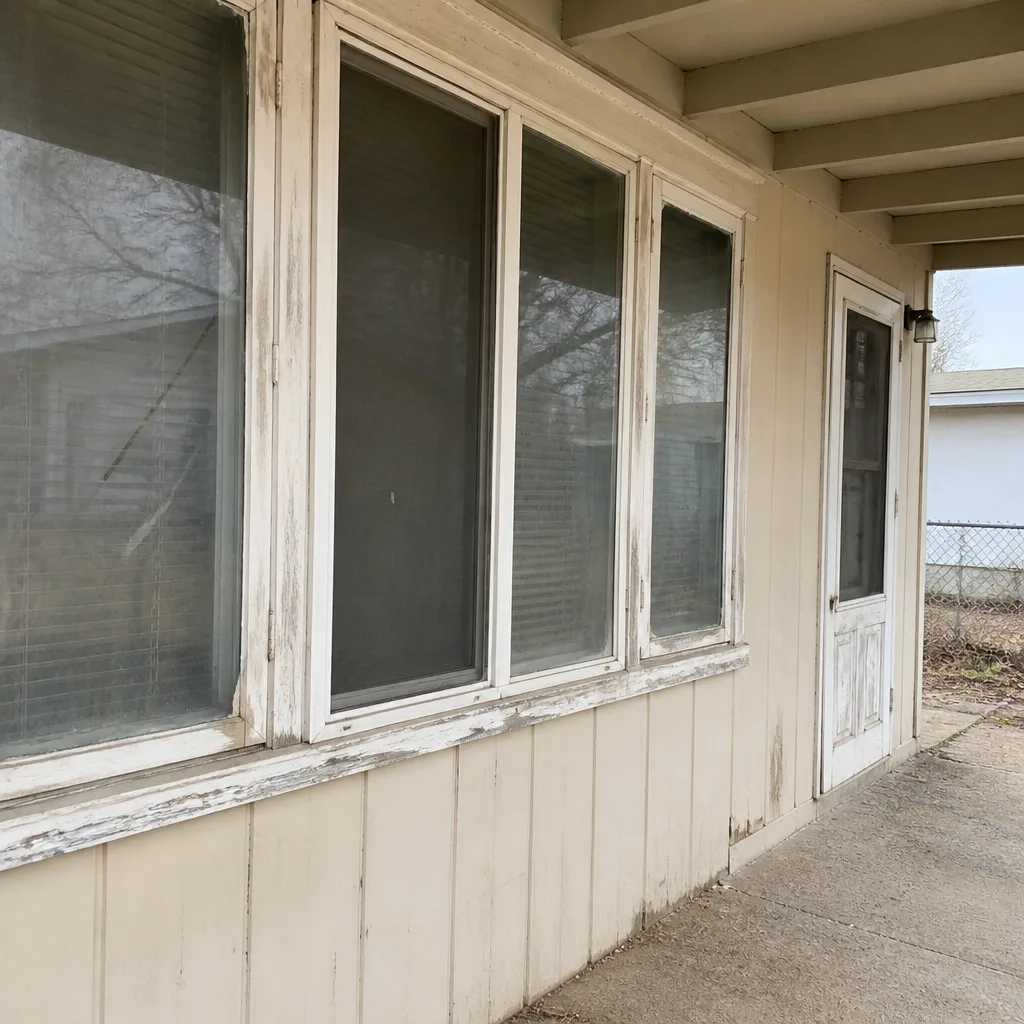 Before
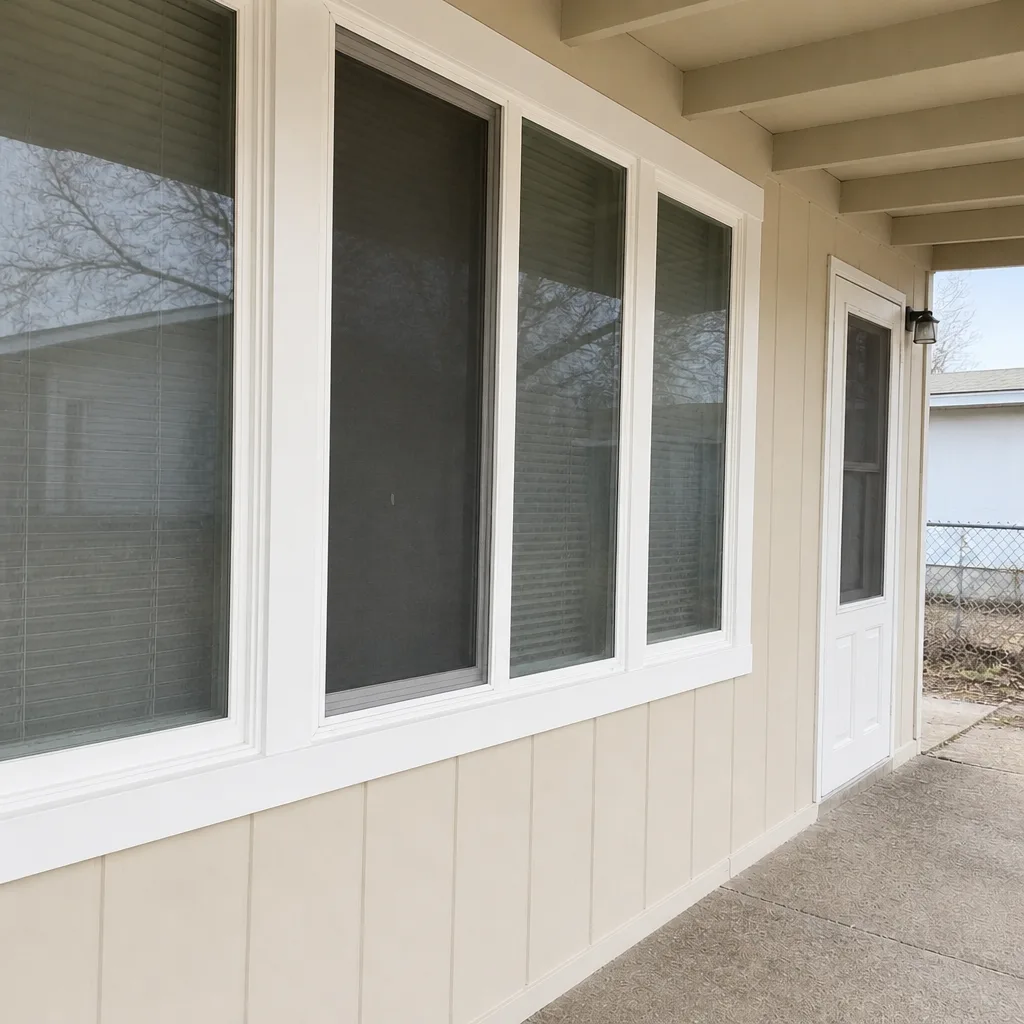 After
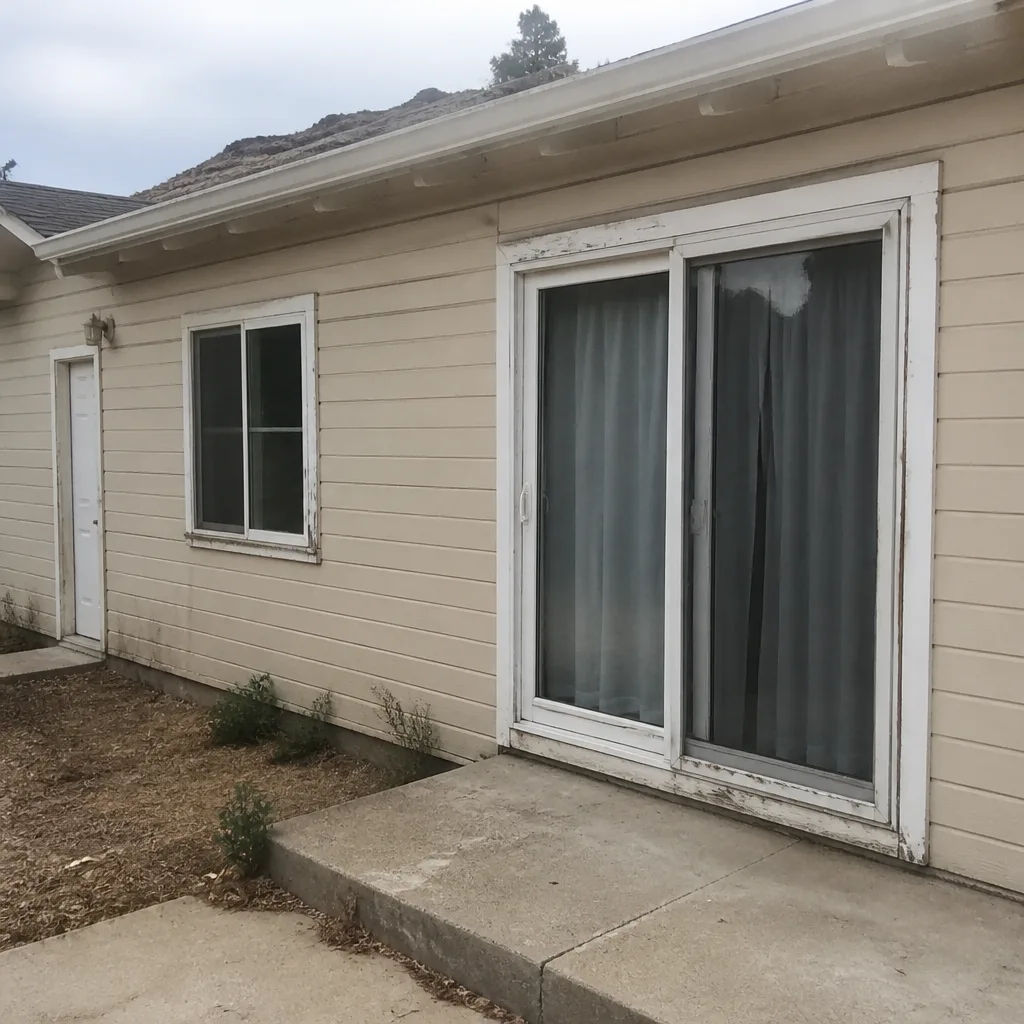 Before
 After
 Before
 After
When to Call a Professional
Some window issues are genuine DIY fixes – cleaning exterior condensation, adjusting a sash that’s off track, or replacing a piece of weatherstripping. But several problems need a specialist: any fogging between the panes that hasn’t cleared, water staining or soft stucco below a window, a frame that’s out of square, multiple windows failing at once, or a warranty claim you need documented properly. Those are the cases where an incorrect diagnosis costs real money, and where a specialist can tell you whether you’re looking at a repair, a glass swap, or a full replacement.
Enterprise Windows & Doors offers free estimates in Enterprise. Our technicians have up to 11 years of experience, and we carry eight brands so we can match the product to the failure point rather than the other way around. Call (877) 558-4821 to schedule a free estimate. We answer 24/7. Fast dispatch from 7am to 7pm, Sunday through Friday.
Frequently Asked Questions
Window repair costs in Enterprise depend on the failure point, not the window count alone. Glass unit or sash swaps typically fall below the cost of a full window replacement because the frame and wall opening stay intact, while a warped frame or a flashing repair is a different project. Because pricing is set per job by a written estimate, and because a failed seal is very often a warranty matter, the cheapest path is to diagnose first and get a written line-item quote before committing, which is why we always recommend a free estimate. Call (877) 558-4821 for an exact quote – estimates are free.
Fog between panes means the sealed glass unit’s perimeter seal has failed and moisture has entered the gap. Once the desiccant inside is saturated, the fog won’t clear, and no cleaning or coating will remove it. This is a genuine window failure, distinct from condensation on the room-side surface, and it’s often covered by the glass warranty. Call (877) 558-4821 for an exact quote on a glass unit swap or replacement.
Usually not. Interior condensation is a house humidity issue, exterior condensation is a sign of good insulation, and only between-pane fog indicates window failure. Where the moisture appears tells you which of the three you have, so check that first before assuming replacement. Call (877) 558-4821 for a free estimate if you want a specialist’s read.
Yes, often. If the frame and sash are sound and square, a technician can replace just the insulated glass unit. Partial replacement is common in vinyl and fiberglass sashes and costs less than a full window because the surrounding assembly stays. A full replacement is only the right call if the frame itself is warped or failed. Call (877) 558-4821 for an exact quote on a glass swap.
File it through the dealer who installed the windows, using your model numbers, install date, and clear photos of the failure. Going through a multi-brand dealer is usually faster than filing cold with the manufacturer, because the dealer knows the specific product line and claim process. Call (877) 558-4821 and we’ll help you identify which warranty path applies to your window.
It shouldn’t. A written line-item estimate sets the price before work begins, and any contractor who is upfront about scope and failure points should be able to hold to it. The way to protect yourself is to nail down the diagnosis – glass, frame, or flashing – and get the quote in line with it. Call (877) 558-4821 for a free estimate and a clear scope before you commit.
The Bottom Line
The window problems that look like product defects in Enterprise are, more often than not, installation or specification failures: bad flashing, no thermal expansion allowance, or a frame that was never square. Diagnose first – check the glass, the frame’s square, the exterior perimeter, and the timing of the moisture. Then decide whether you’re looking at a repair, a glass unit swap, a warranty claim, or a genuine full replacement. Matching the product to the failure point is the whole job, and it’s the reason we carry eight brands across impact-rated and energy-efficient lines. Get the failure point right, and the fix usually costs less than the quote you expected.
If you’d rather have a specialist take the guesswork out, Enterprise homeowners can call us for a free estimate. Call (877) 558-4821. We answer 24/7. Fast dispatch from 7am to 7pm, Sunday through Friday.
For a look at the full scope of what we do, see Enterprise Windows & Doors.
Written by the team at Enterprise Windows & Doors.