Last updated November 18, 2026
 Sliding glass doors
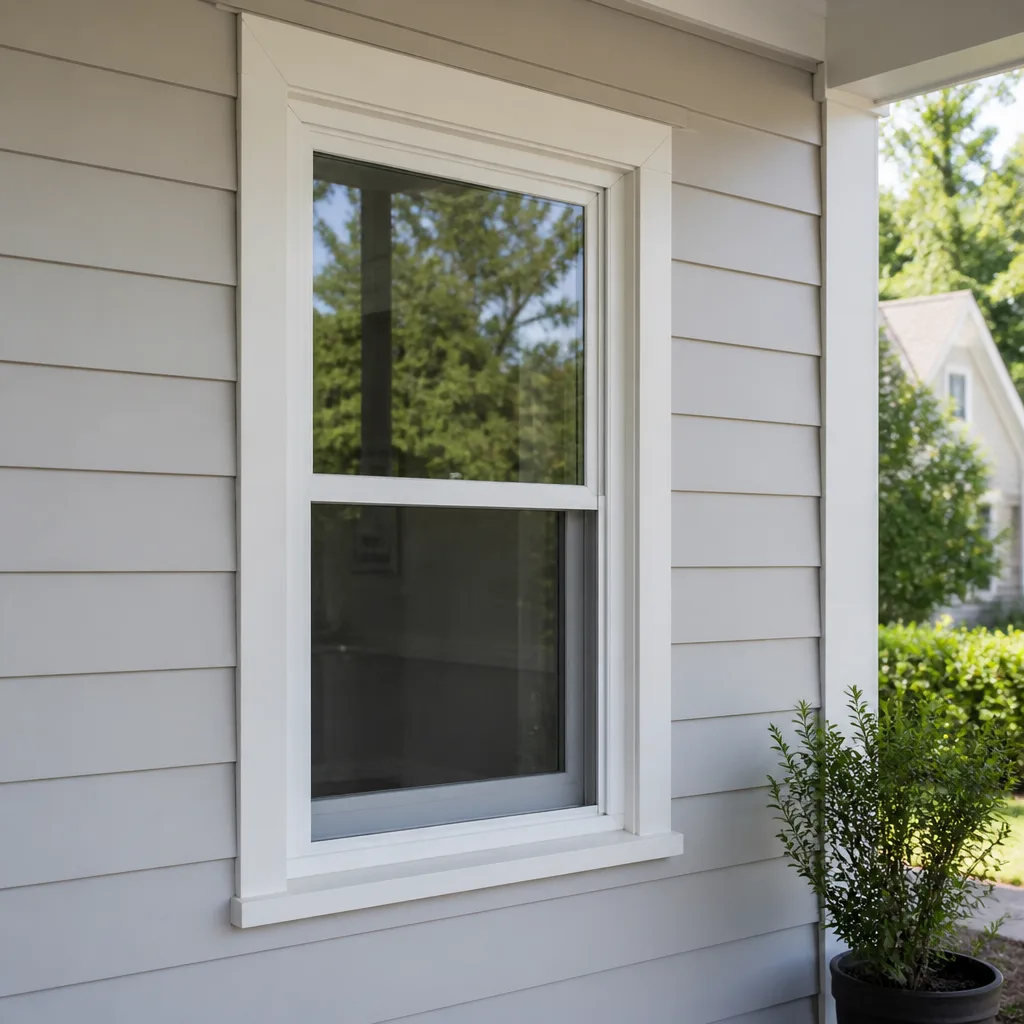 Single hung
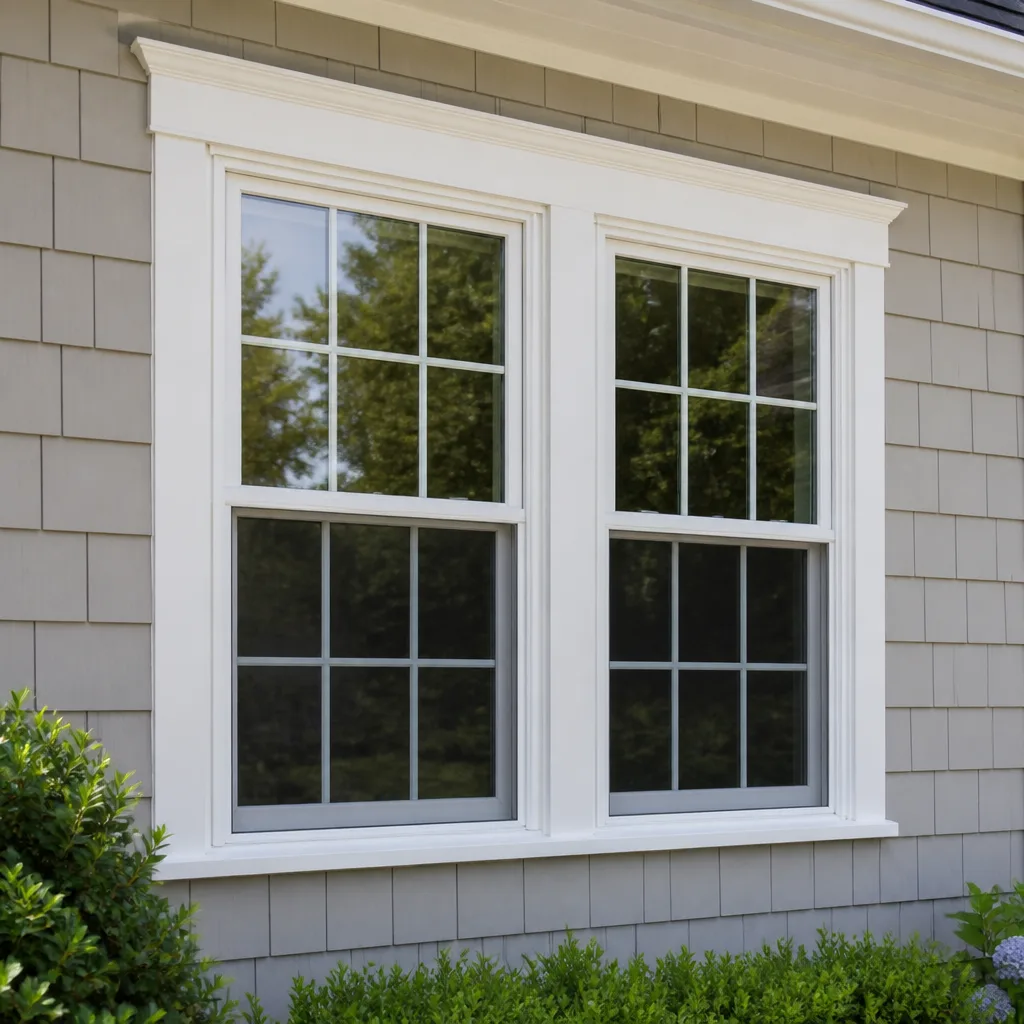 Double hung
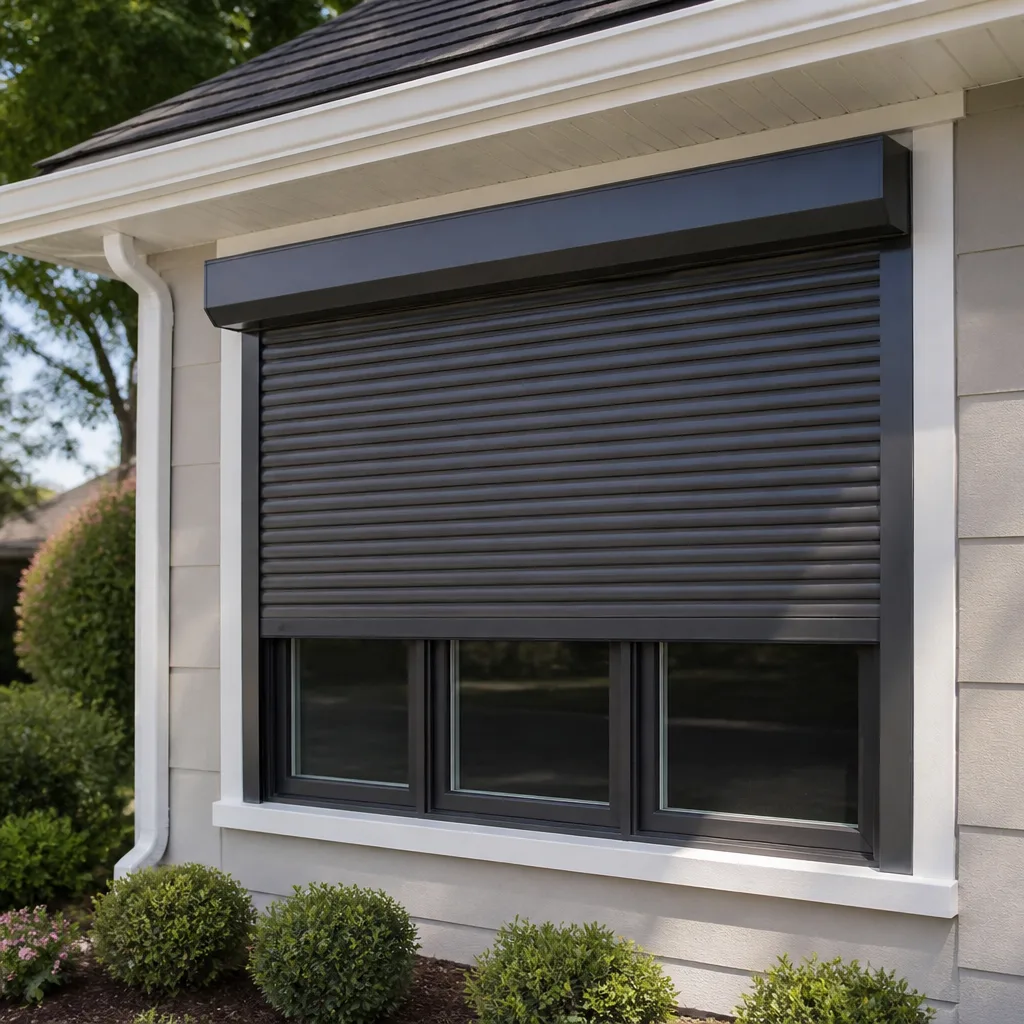 Horizontal roller
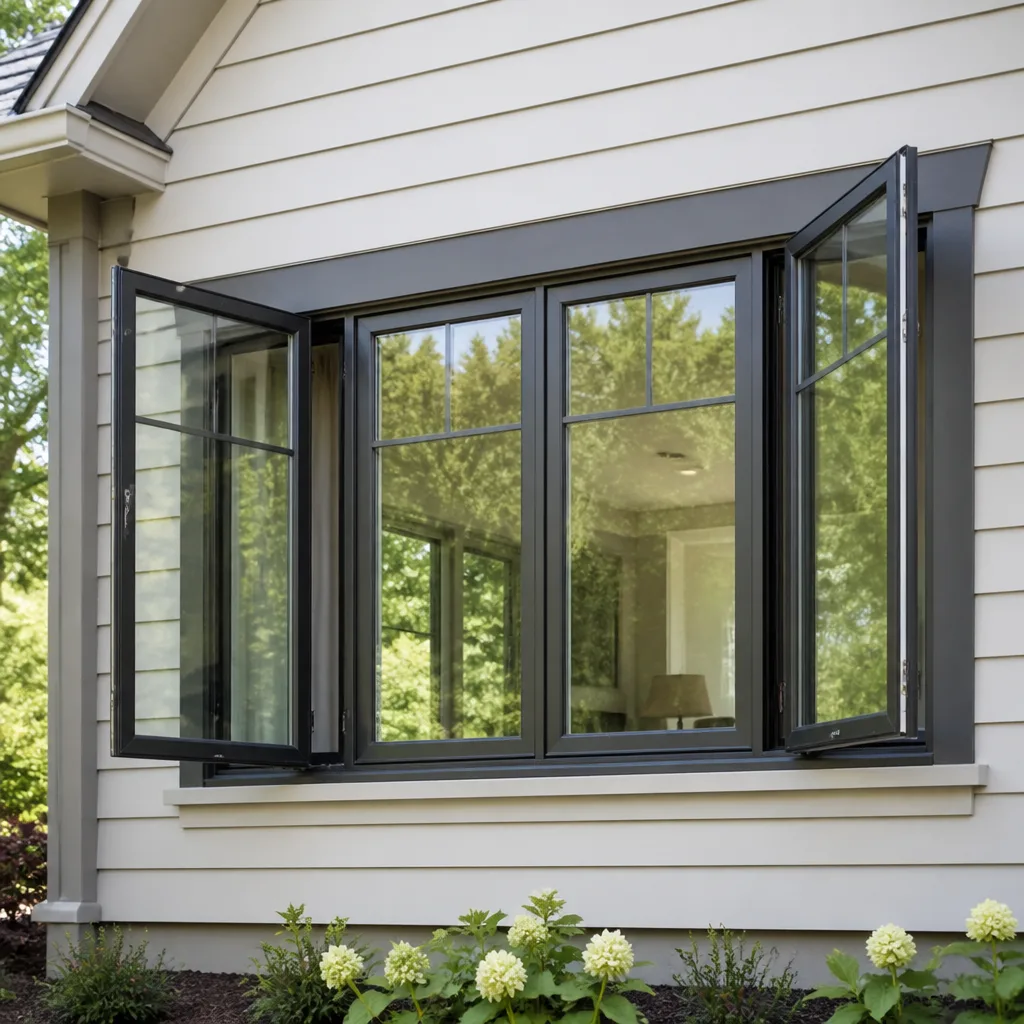 Casement
 Bay & bow
 Entry doors
 Impact garage doors
 PGT
 CGI
Free in-home measure and quote - PGT, CGI and CWS impact lines compared on your actual openings, style by style
Get your free estimateSeasonal Windows & Doors Care for Enterprise: Year-Round Homeowner’s Guide
October in Enterprise is a 30-day maintenance window that most homeowners waste. By the time temperatures drop enough to feel urgent, the adhesive on new door sweeps won’t cure properly below 50°F, a detail that sends plenty of DIYers back to the hardware store in January. The seasonal care calendar for this corner of the Mojave is not symmetric. A 110°F summer asks something completely different of a window or a door than a brief, genuinely cold December. This guide walks through month-by-month care built around how Enterprise actually feels, so you’re not over-maintaining in spring and missing the narrow fall window that matters most.
Quick Answer
Windows and doors in Enterprise need three things on a year-round rhythm: shade and heat relief for frames and seals through the brutal summer, a properly timed weatherstripping and threshold refresh in October and November before desert nights drop below 40°F, and an interior condensation check each December to separate a ventilation issue from a failed glass seal. Spring and early summer are mostly about dust, screens, and drainage channels; fall is the load-bearing season for preparation.
Styles & brands we work with
- Single hung
- Double hung
- Horizontal roller
- Casement
- Bay & bow
- Sliding glass doors
- Entry doors
- Impact garage doors
- PGT
- CGI
Table of Contents
- Why Enterprise’s Climate Is Asymmetric
- The Month-by-Month Care Calendar for Enterprise
- Summer Care: UV, Heat Expansion, and Dust Storms
- Monsoon Season and the One Moisture Risk Enterprise Windows Face
- The October and November Weatherstripping Sequence
- Winter Glass Care and Interior Condensation
- Spring Refresh: Screens, Tracks, and Hardware
- Common Mistakes to Avoid
- When to Call a Professional
- Frequently Asked Questions
Why Enterprise’s Climate Is Asymmetric
Most homeowner guides treat four seasons as four equally demanding periods. That’s the wrong model for Enterprise. Here the summer is the long, dominant event, and winter is a short, sharp visitor. The asymmetry matters because your maintenance effort should follow the calendar the weather actually follows, not a calendar designed for a temperate climate.
The summer pushes above 100°F for weeks at a stretch and often reaches the 110°F range. That sustained heat does real physical work on your window and door components. Vinyl frames expand and contract with a wider swing than they would anywhere cooler. Weatherstripping adhesive softens. Door hardware that felt silky in April can feel stiff by August, then suddenly loose again when the frame relaxes in October. Interior humidity from cooking, showers, and laundry is also concentrated against glass that’s shaded from the outside sun, which is precisely the setup for condensation problems in winter.
Winter here is short, but December and January nights drop into the 30s and sometimes lower. That’s a real thermal load on glass, seals, and thresholds, even if it doesn’t last long. The briefness is what catches homeowners out: there’s a narrow window in October and early November to get sealing work done and cured before the cold arrives. Miss it, and you’re doing weatherstripping in temperatures where the adhesive can’t bond. The right window for your home, in Enterprise terms, means knowing when cares should happen as much as what should happen.
What follows is a care calendar we walk homeowners through regularly. Our technicians have up to 11 years of experience with these conditions, and the sequence below reflects what actually holds up here versus what gets wasted effort.
The Month-by-Month Care Calendar for Enterprise
If you want a single reference to stick on the fridge, this is it. Each row tells you what to focus on and why that month specifically.
- January: Check interior condensation on glass each morning. Distinguish ventilation from failed seal. Keep door sweeps clean and pressed against the threshold.
- February: Hardware check on doors and sliding windows: any screws that loosened during the summer heat get snugged again.
- March: Clear window drain channels of winter debris. Wash glass and frames with a mild detergent to remove dust film.
- April: Inspect screens for sagging and bent frames. Test the fit of sliding screens and door rolls.
- May: Apply UV protectant to vinyl frames and rubber seals if the manufacturer’s maintenance guidance permits it. Verify that window weep holes are clear.
- June: Lubricate door hardware, hinges, and sliding tracks. Note the interval: high-heat expansion means hardware benefits from re-checking more often than the typical once-a-year habit.
- July: Monsoon season begins. Check drainage channels and weep holes monthly through September. Clear any dust accumulation that would block water flow.
- August: Continue channel and screen checks. Watch for water spotting at threshold areas that suggests a compromised sweep.
- September: Walk the interior of each window during and after rain events to spot entering water. This is the last chance to address issues before cold seals go in.
- October: Prime weatherstripping month. Replace sweeps, thresholds, and gaskets while temperatures are still warm enough for adhesive to cure.
- November: Second chance to finish sealing work. Confirm door alignment and threshold contact before nights are consistently cold.
- December: Winter glass and condensation checks. Watch for fogging between panes on insulated units.
Two of these months, October and November, carry most of the year’s weight. We’ll cover them in depth further down.
Summer Care: UV, Heat Expansion, and Dust Storms
Summer in Enterprise is when windows and doors take the most physical punishment, and it’s also when most homeowners do the least because the heat discourages outdoor work. A focused pass each June and July pays for itself over the rest of the year.
UV protection for vinyl frames
Vinyl window frames are engineered to withstand sun, but UV exposure over years still causes fading, chalking, and surface hardening. Ask the manufacturer what protectant, if any, they recommend for your specific product. Some brands, including the vinyl systems we install from window installation lines, have specific maintenance guidance and shouldn’t be treated with just any product. If in doubt, wash and leave it at that.
Hardware lubrication in high-heat expansion
Door hinges, latch mechanisms, sliding window tracks, and roller assemblies all take more wear during summer because thermal expansion opens and closes tolerances. The annual lubrication habit that works in mild climates is not frequent enough here. In our experience, hardware in Enterprise benefits from a lubrication check every three to four months during the summer stretch. A tiny dab of appropriate lubricant on hinge pins and tracks can prevent the binding and stiffness that leads to hardware failures and door alignment problems later.
Screen maintenance under dust-storm exposure
Dust storms through the valley load screens faster than any other single factor. Screens that sit loaded with grit block airflow, put stress on frames, and can eventually sag or tear. Rinse them with a garden hose on low pressure once a month during dry periods. If a screen frame has bent or the spline has slipped, replace it before the next storm; sagging screens have a way of tearing when wind whips them, and screen repair is cheapest before the mesh takes the abuse.
Weep holes and drain channels
Every exterior window has drain channels and weep holes that let water escape. Dust accumulates in these channels over the dry months. Clear them with a soft brush or a blast of compressed air each June and September. A blocked weep hole is one of the few ways summer dust becomes a winter leak.
Monsoon Season and the One Moisture Risk Enterprise Windows Face
The moisture season here runs roughly July through September, and it presents the single exposure risk Enterprise windows genuinely face. It isn’t persistent rain like the Pacific Northwest gets. It’s a handful of sudden, intense storm events over a short window, often with wind-driven rain that finds any weak point in a threshold or wall junction.
Moisture rarely enters through the glass itself; it enters through a blocked drainage channel, a worn door sweep, or a gap at the sill that was never sealed correctly. The practical work in monsoon season is keeping water moving away from the window and door assembly.
- Clear weep holes. Each exterior window has small drain slots at the sill. Clean them monthly from July through September with a thin brush or a puff of compressed air.
- Check interior tracks on sliding windows and doors. Grit and debris can clog the same channels water needs to escape. A dry cloth wipe gets most of it.
- Inspect door sweeps. The rubber or brush sweep under an exterior door is the most common leak path. If it’s cracked or no longer touches the threshold, water is finding its way in. Replace it before the next storm.
- Watch the exterior sill line. After a rain event, look for staining, bubbling paint, or soft spots near the sill. Those are signs water is getting behind the frame.
- Clear roof drip lines and overhangs above windows. Water from a roof edge landing directly on a window is harder on seals than falling rain alone.
The main thing to understand about this season is that it isn’t a season of worry, it’s a season of active checks. Do those five things and most issues that would go unnoticed until winter get caught while they’re still small and easy to address.
The October and November Weatherstripping Sequence
This is the most important section of this guide, because this is the window that gets missed. Weatherstripping, door sweeps, and threshold adhesive all depend on ambient temperature to cure and bond properly. Install them below 50°F and the adhesive can fail, the rubber hardens before seating, and you’ll be back at the hardware store in January trying to figure out why your new sweep fell off. In Enterprise, the reliable warm stretch runs from late September through most of October. That’s your working window. By November, you’re working against the clock.
The reason this matters so much here is that door sweeps and seals are the front line against winter cold and desert wind. A door that seals tightly and moves smoothly all winter keeps the conditioned interior inside, prevents drafts, and protects the threshold from the seasonal dust. A door that gets its seal installed in the cold, badly, will let cold air pour in night after night.
The prep sequence
- Inspect every exterior door sweep and threshold in October. Look for cracks, compression set, or a visible gap between sweep and threshold when the door is closed.
- Confirm the ambient temperature at install time. Check the manufacturer’s specified temperature range and don’t install below it. For most adhesive-backed sweeps, that’s above 50°F.
- Clean the threshold and door bottom thoroughly before installation. Dust and old adhesive prevent a proper bond. A dry fit before peeling and pressing gets the alignment right the first time.
- Replace door weatherstripping around the jamb if it’s hardened or compressed. Foam and bulb seals both degrade in high-heat summers and need refreshing.
- Check window weatherstripping at sliding tracks and casement seals. Replace where compressed.
- Adjust door alignment if you see daylight. A door that doesn’t sit square won’t seal no matter how good the sweep is. Hinge adjustments resolve most of these.
Repeat the adhesive work in November only if it was genuinely too hot or cold in October. Otherwise, November is a verification pass: check alignment, close the door, feel for drafts, and listen for rattles that suggest a loose seal. If you’re not comfortable doing the install yourself, this is exactly the kind of work our team handles as part of door installation services, and getting it done with a brand-appropriate seal is worth waiting on a professional rather than a rushed job.
Winter Glass Care and Interior Condensation
Come December, many Enterprise homeowners notice moisture gathering on the inside of their windows. It looks alarming, and the instinct is to assume the window has failed. Most of the time it hasn’t. Interior condensation in a desert home in winter is usually a ventilation problem rather than a glass-seal problem, and knowing which is which saves you from replacing windows you don’t need to replace.
The setup is recognizable. Interior air carries humidity from cooking, showers, laundry, and even breathing. When cold outside air drops the interior glass surface below the dew point of that humid air, moisture condenses on the glass. This is normal in a well-sealed, energy-efficient home that isn’t moving moisture out. The tighter your home, the more likely you’ll see some fogging on the coldest mornings.
How to tell ventilation condensation from a failed seal
- Location on the glass. Ventilation condensation usually appears on the interior surface, often near the edges and bottom of the pane. A failed seal shows fogging between the panes of a double- or triple-glazed unit, regardless of interior humidity.
- Timing. Interior condensation appears during cooking or showers and clears as humidity drops. A failed seal fog doesn’t clear.
- Response to airflow. Run a bathroom or kitchen exhaust fan and the interior condensation fades. Over time, a wiped pane will re-fog within a day if the humidity hasn’t been managed.
- Touching the glass. Interior condensation can be wiped off from inside. Fog between panes cannot; it’s trapped inside the sealed unit.
If the moisture is on the inside face and responds to ventilation, you have a home humidity management task, not a window replacement. Running exhaust fans during cooking and showers, keeping interior air moving, and in some cases adding a dehumidifier during the coldest weeks solves most cases. If you see fog or stains between the panes, or water pooling inside a frame, the sealed unit or the glazing has failed and it’s time for a professional look. That’s a call worth making quickly, because a failed unit with moisture inside performs poorly all winter and stress cracks can follow.
Spring Refresh: Screens, Tracks, and Hardware
March and April are the reset months for an Enterprise home’s windows and doors. The worst of the dry dust season is behind you, and you have weeks before the summer heat begins to work on your components again. Use this stretch to get everything into shape so the maintenance burden is lower through the intense summer months.
Wash glass and frames
Wash with a mild detergent and water. Skip harsh solvents and abrasive pads; they can cloud vinyl and scratch glass coatings. A soft cloth and a squeegee keep glass clear and remove the dust film that builds up over the dry months.
Screens
Remove and inspect each screen. Rinse, dry, and check for bent frames, loose spline, and tears. Replace mesh if needed. For sliding screen doors, lubricate rollers and check that the door tracks cleanly. A screen that rattles or doesn’t seat is a small fix now and a bigger one later.
Tracks and rolling hardware
Clean window and sliding-door tracks with a vacuum brush attachment and a dry cloth. Dirt in the tracks stresses rollers and causes the sticking that leads homeowners to force doors and windows, which then exacerbates alignment problems. Lubricate rollers and sliding hardware sparingly with a product appropriate for the track material. In our experience, tracks here benefit from a mid-summer recheck in addition to the spring pass, because summer dust accumulates fast.
Drain channel cleaning
Clear the exterior weep holes and drain channels once in March. If you missed the fall clear-out, this is the second chance to get them clean before summer and monsoon.
Spring is also the natural time to look at doors that have developed a little sticking or sagging from the previous year’s heat. If a door is dragging, the hinge or the alignment has drifted, and a check in spring avoids the surprise of finding out in October that your winter seal depends on a door that no longer closes flush.
Common Mistakes to Avoid
- Installing weatherstripping when it’s too cold. Below 50°F, adhesive-backed sweeps and seals often fail to bond and the rubber hardens before it seats. This is the single most common October-to-November mistake in Enterprise.
- Treating all four seasons as equally demanding. Spring gets over-attention while October, the month that matters most for the upcoming winter, gets skipped. Rebalance the effort toward fall.
- Blaming the window for interior condensation. Most winter fogging on the inside of glass is a ventilation and humidity issue in a desert home, not a failed seal. Diagnose before you replace.
- Ignoring weep holes until a monsoon leak. The small drain slots do most of the water management for your windows. Clear them monthly through the monsoon season and twice more in the year.
- Skipping hardware lubrication during the summer. High-heat thermal expansion accelerates wear on hinges and sliding hardware. The once-a-year habit that works elsewhere isn’t enough in Enterprise summers.
- Using the wrong cleaner on glass and frames. Abrasive cleaners and solvents dull vinyl and can strip low-E coatings or tints. Mild detergent and water, every time.
- Forcing a door that drags. Dragging doors are a sign of alignment drift or worn hardware. Forcing them damages the frame and makes future sealing work harder.
When to Call a Professional
Most of what’s in this guide is genuinely DIY-friendly. But some work crosses into territory where a trained eye and a professional install matters. Call a professional when you see fog or moisture between the panes of an insulated unit, when water is visibly entering around a frame or threshold regardless of how well you’ve cleared channels, when a door has drifted so far out of alignment that hinge adjustment alone doesn’t correct it, or when weatherstripping replacement on multiple doors and windows needs to be finished before the cold and you’re running out of the October window. A failed seal between glass panes is not a maintenance task, and a leak that bypasses the drainage system usually points to an installation or component issue.
Enterprise Windows & Doors offers free estimates in Enterprise, and we’ll walk your windows and doors with you to sort out what needs attention now versus later. If it’s a maintenance question, we’ll tell you; if it’s a replacement question, we carry eight brands (PGT, CGI, CWS, ES Windows, ECO Window Systems, Mr-Glass, Therma-Tru, and ViewLux) so we can match the product to the problem rather than the problem to the inventory. Call (877) 558-4821 to schedule a free estimate. We answer 24/7. Fast dispatch from 7am to 7pm, Sunday through Friday.
Frequently Asked Questions
October is the best month. Temperatures are still warm enough for adhesive-backed sweeps and seals to cure properly, and it’s before the cold arrives in December. Early November works if you catch a warm stretch; later than that, the risk of adhesive failure rises. In Enterprise, this is the single most important seasonal window in the year, and it’s the one most often missed.
Interior condensation in December is usually a ventilation and humidity issue, not a glass failure. Interior humidity from cooking, showers, and daily life condenses on cold glass surfaces. If the moisture wipes off from inside and fades when you run an exhaust fan, it’s ventilation. If the fog is trapped between panes, the sealed unit has failed and needs replacement. If you’re unsure, call (877) 558-4821 for a free estimate and we’ll help you tell the difference.
We recommend a check every three to four months during the hot months and a full lubrication pass in May or June before summer peaks. High-heat thermal expansion accelerates wear on hinges, latch mechanisms, and sliding hardware faster than in milder climates. A small amount of appropriate lubricant goes a long way. If hardware is binding or failing, that’s often a sign something needs more than lubrication, so call (877) 558-4821 to have it looked at.
It presents the main moisture risk your windows actually face, because the storms come as short, intense events with wind-driven rain. Water rarely enters through the glass itself; it enters through blocked weep holes, worn sweeps, or unsealed sills. Clearing drain channels monthly from July through September is the practical fix. If you find water intrusion despite cleared channels, call (877) 558-4821 for a free estimate.
Yes, if the fog doesn’t clear and the moisture is trapped inside the sealed glass unit. That’s a failed seal, and the unit will perform poorly all winter and can stress-crack over time. Interior surface condensation, by contrast, is a ventilation issue you can usually manage without replacement. Enterprise Windows & Doors offers free estimates to diagnose either case; call (877) 558-4821 to schedule one.
Rinse them with a garden hose on low pressure once a month during the dry months, and inspect for bent frames, loose spline, and tears. Loaded mesh blocks airflow and strains the frame. If you find a torn screen, replace the mesh before the next storm; wind-driven dust finds and widens every small opening, and a screen repair is cheapest before the mesh takes real abuse. If screens are beyond repair, our team can help source replacements from our Enterprise Windows & Doors product lineup.
See the difference
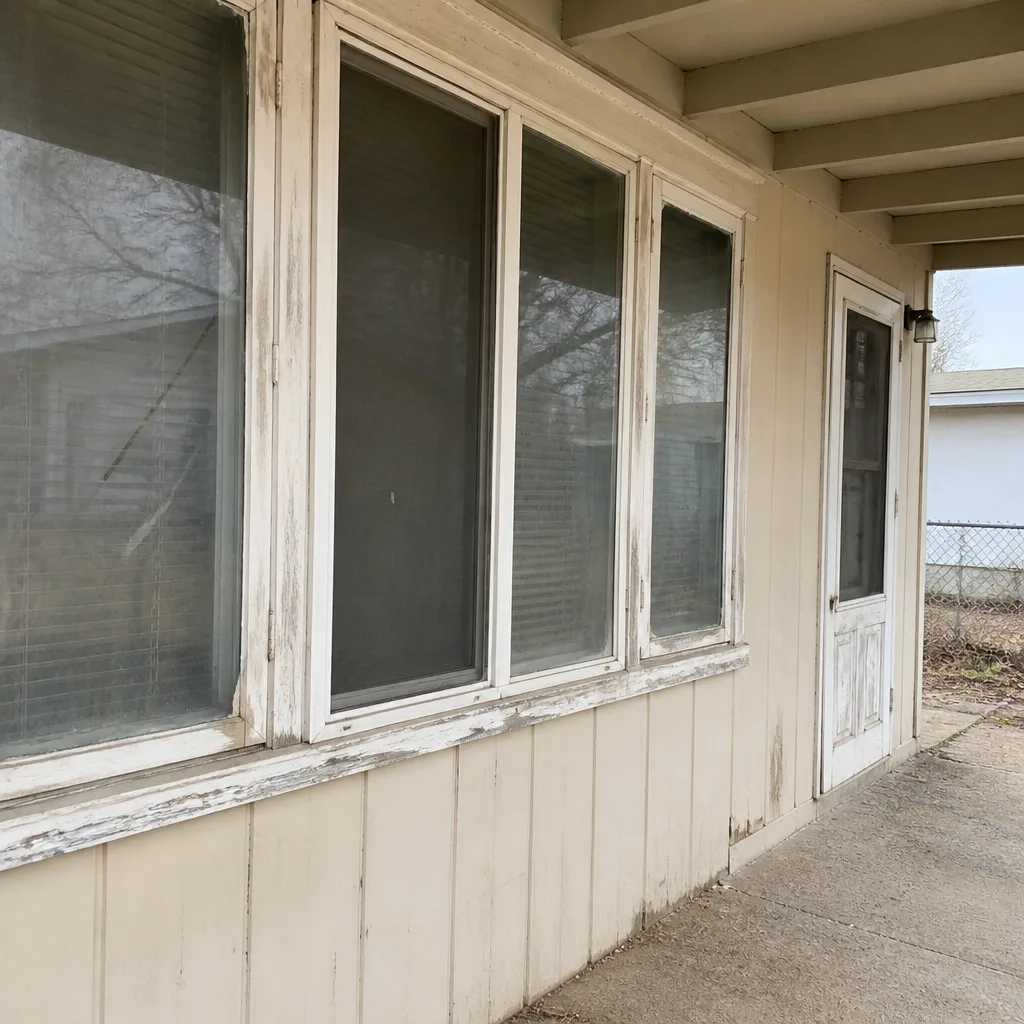 Before
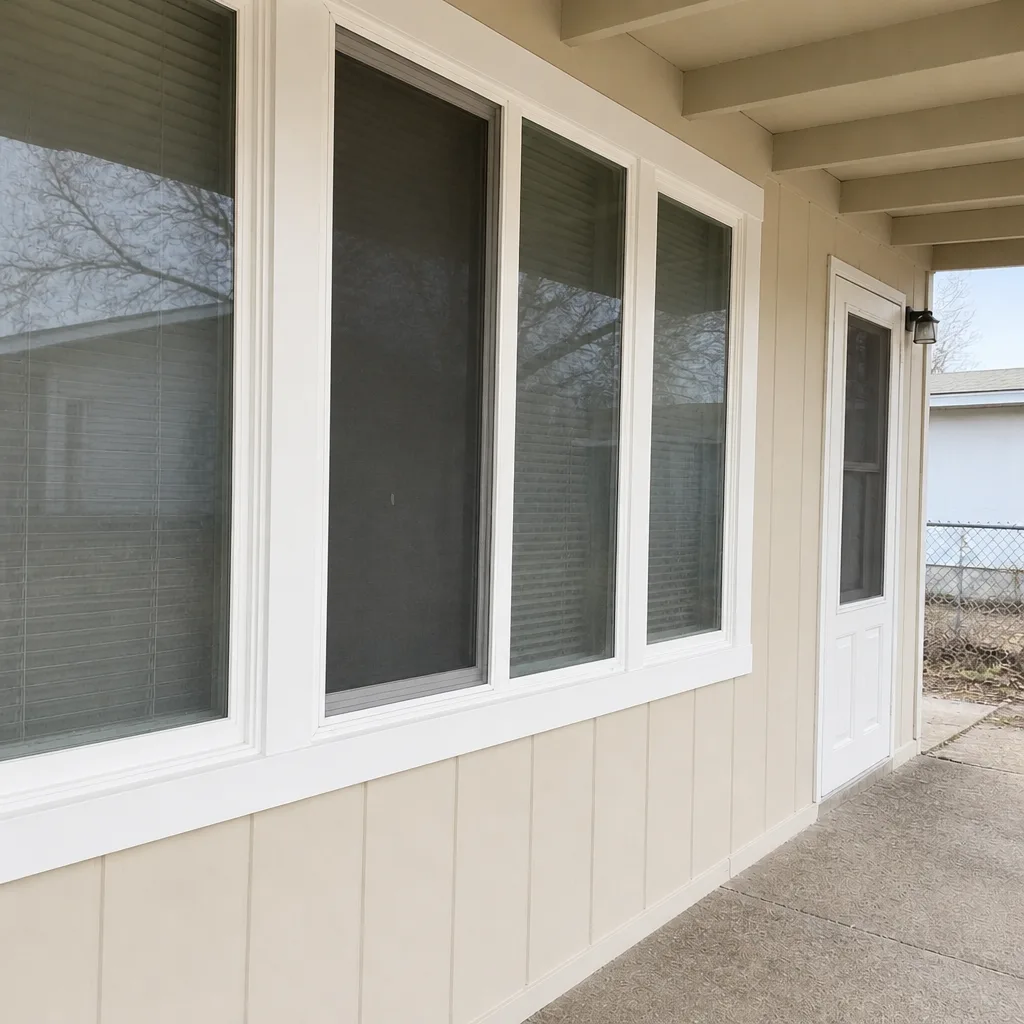 After
 Before
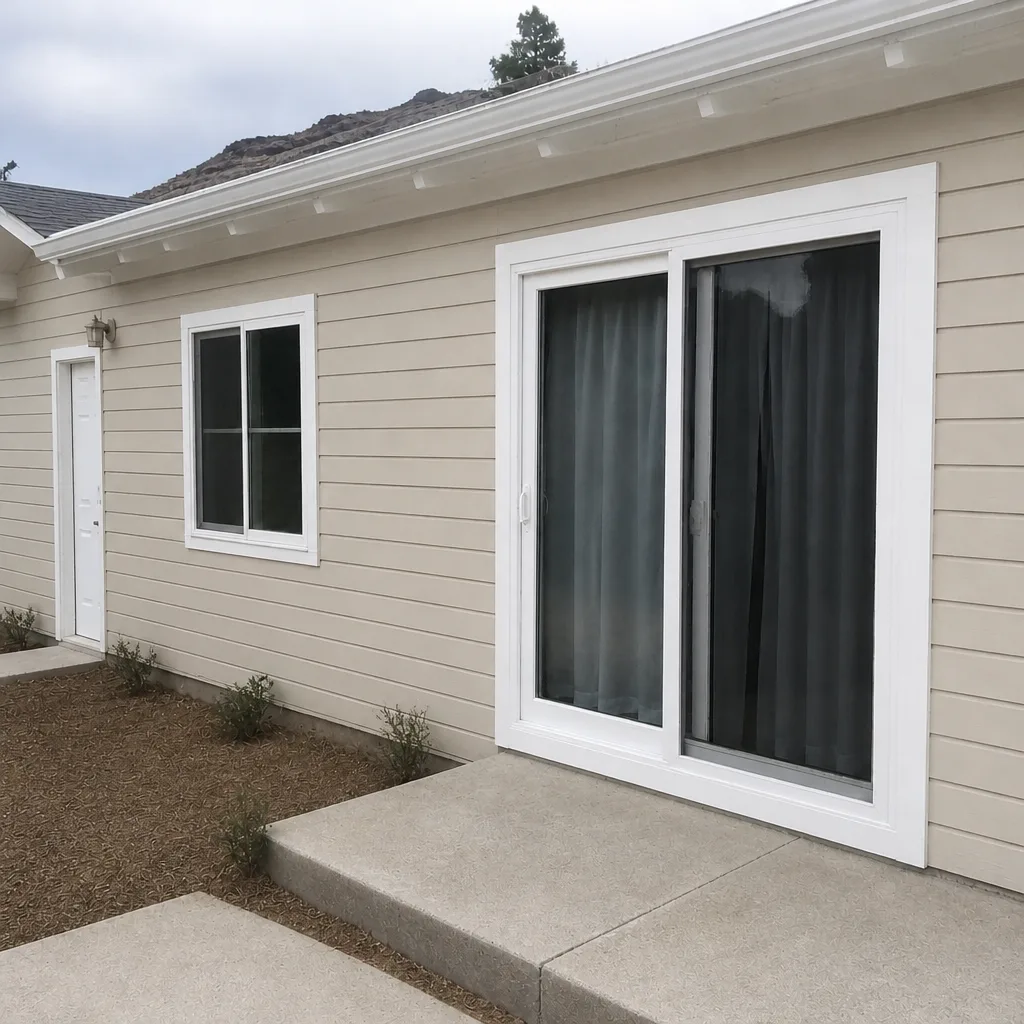 After
 Before
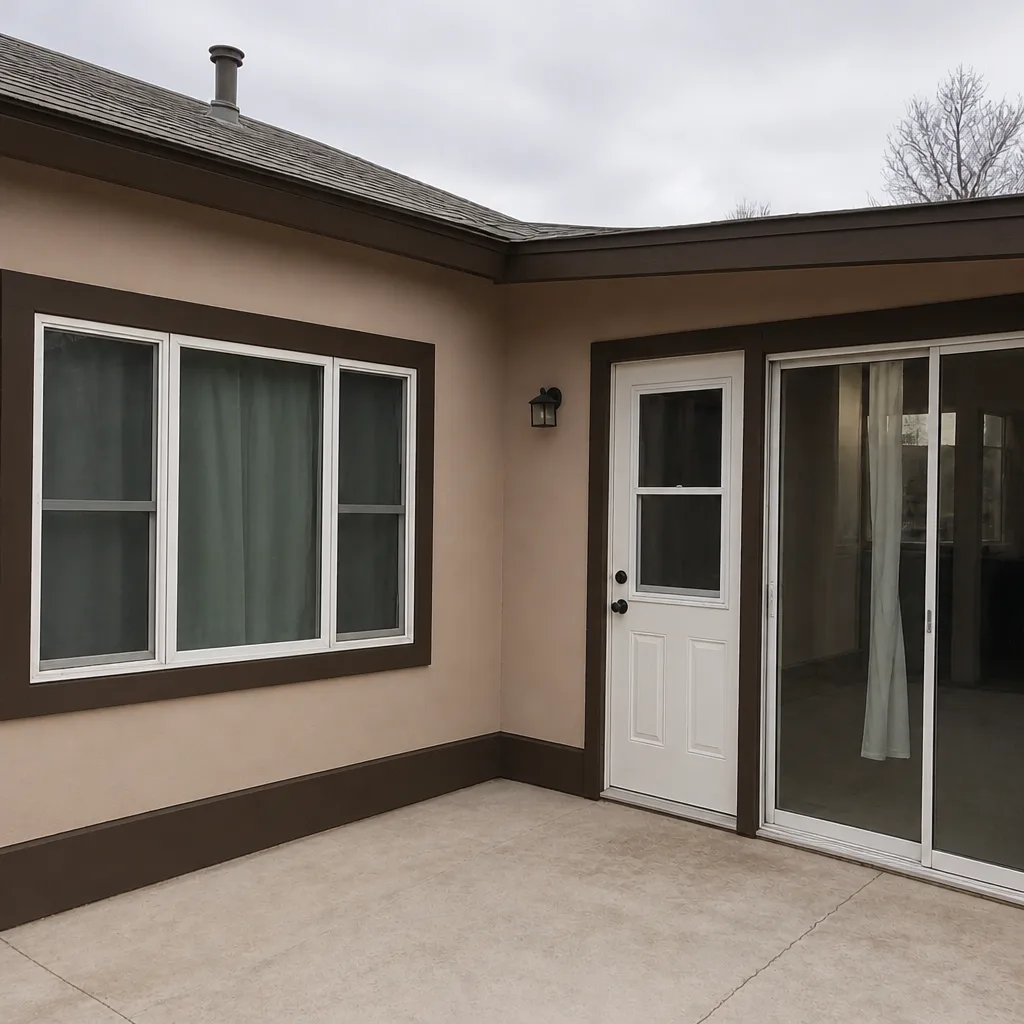 After
The Bottom Line
The seasonal care that matters most for Enterprise homeowners is not spread evenly across the year. October and November are the months that determine how well your windows and doors carry you through the brief, cold winter, and installing weatherstripping while the temperature is still above 50°F is the detail that makes the difference. Summer needs its own rhythm: UV care, quarterly hardware lubrication, monthly screen rinses, and channel checks. Monsoon season adds active monthly drain checks from July through September. And winter glass fogging is usually a ventilation question, not a replacement question. Get the calendar right and the maintenance burden is smaller than the four-seasons model would suggest.
Final Word
If you’re replacing aging windows or doors, upgrading for energy efficiency, or just want a walk-through on what needs attention before the next season, we’re here to help. Enterprise Windows & Doors focuses on windows and doors exclusively, and our eight-brand lineup (PGT, CGI, CWS, ES Windows, ECO Window Systems, Mr-Glass, Therma-Tru, and ViewLux) lets us match the right product to your home and its conditions. For energy-efficiency-focused projects, ECO Window Systems is a natural fit; for impact-rated performance, PGT and CGI are the lines we install; for premium door systems, Therma-Tru is a partnership that speaks for itself. For broader window replacement work, we’ll walk your home and give you a written, free estimate. Call (877) 558-4821. We answer 24/7. Fast dispatch from 7am to 7pm, Sunday through Friday.
Written by the team at Enterprise Windows & Doors.