Last updated November 18, 2026
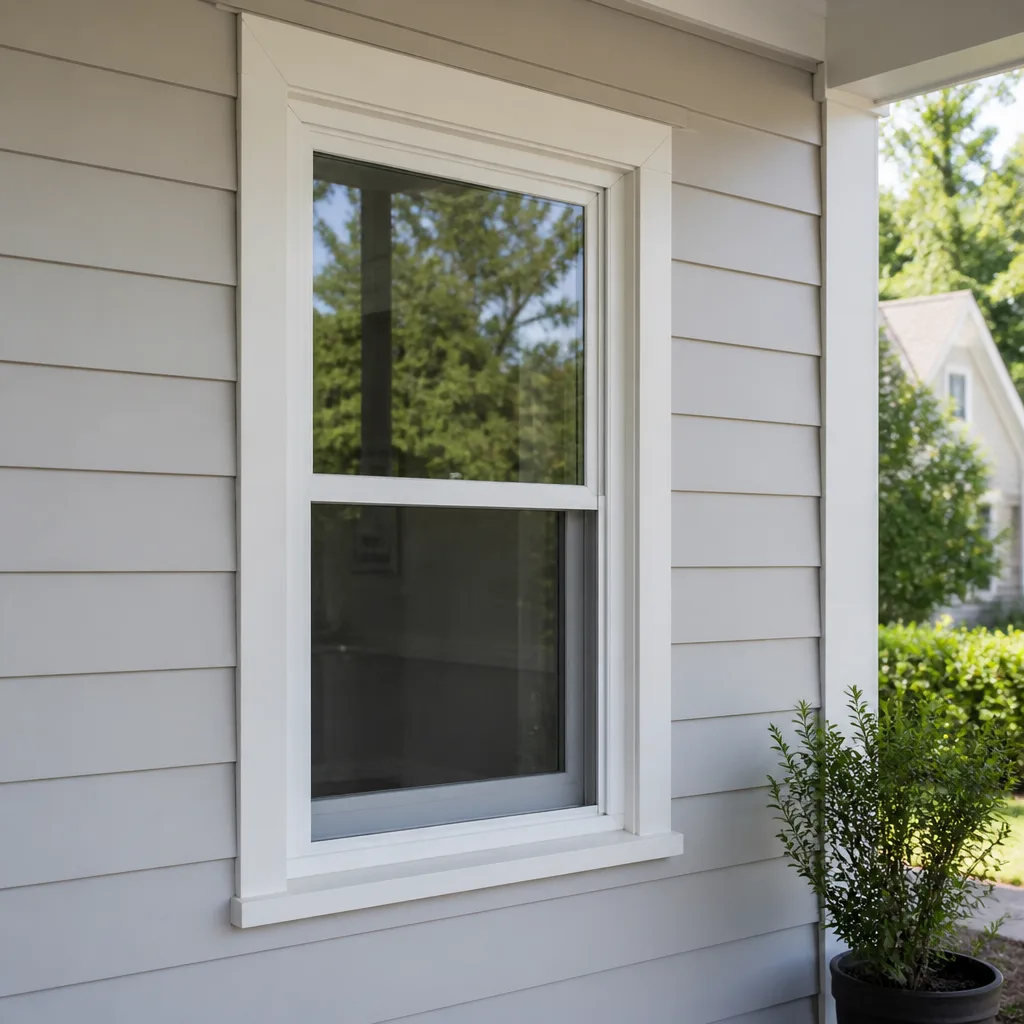 Single hung
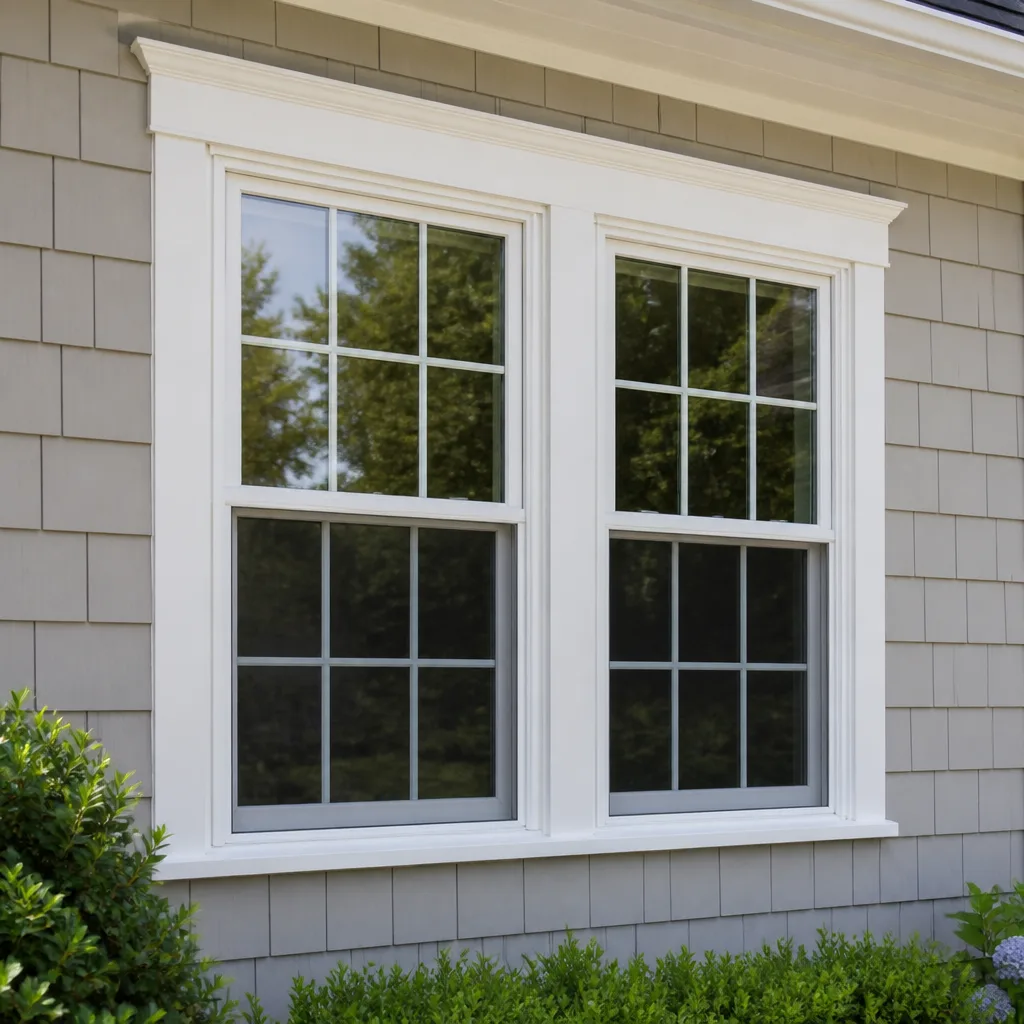 Double hung
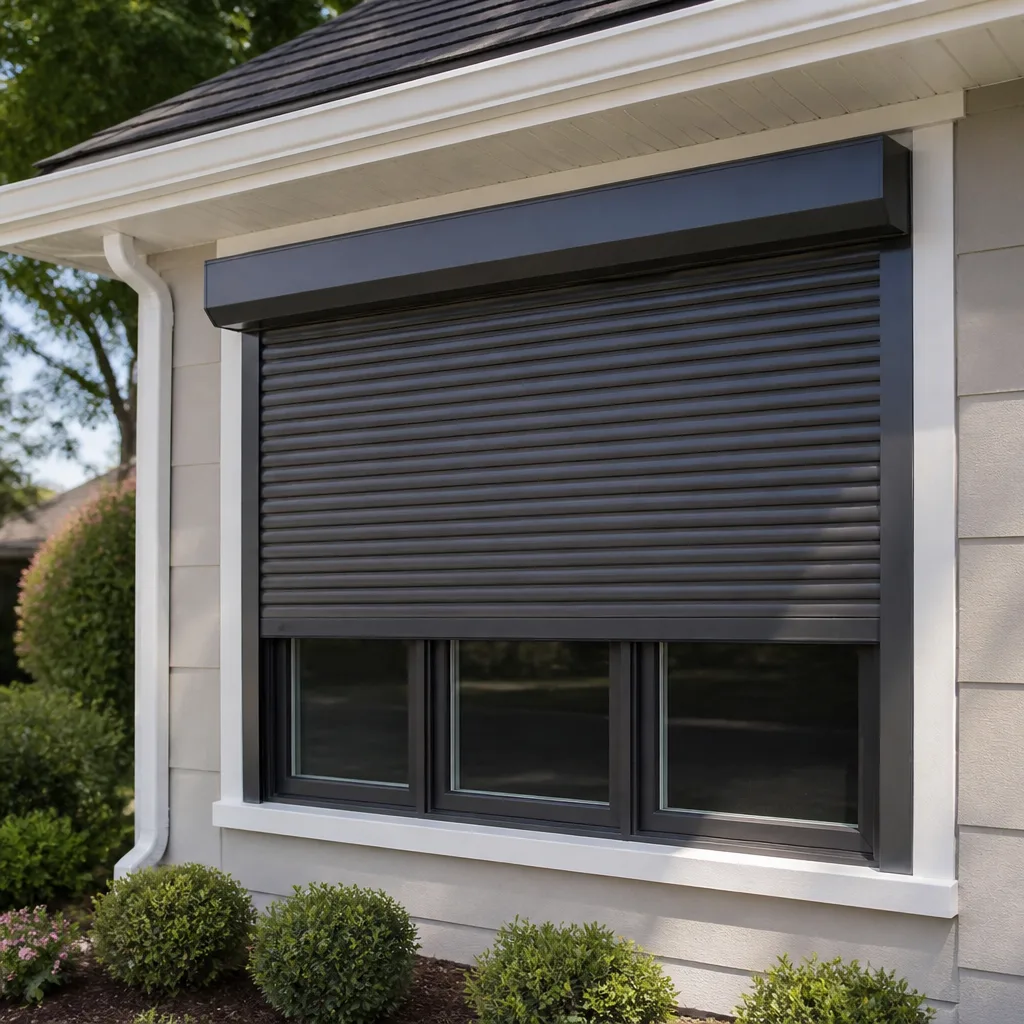 Horizontal roller
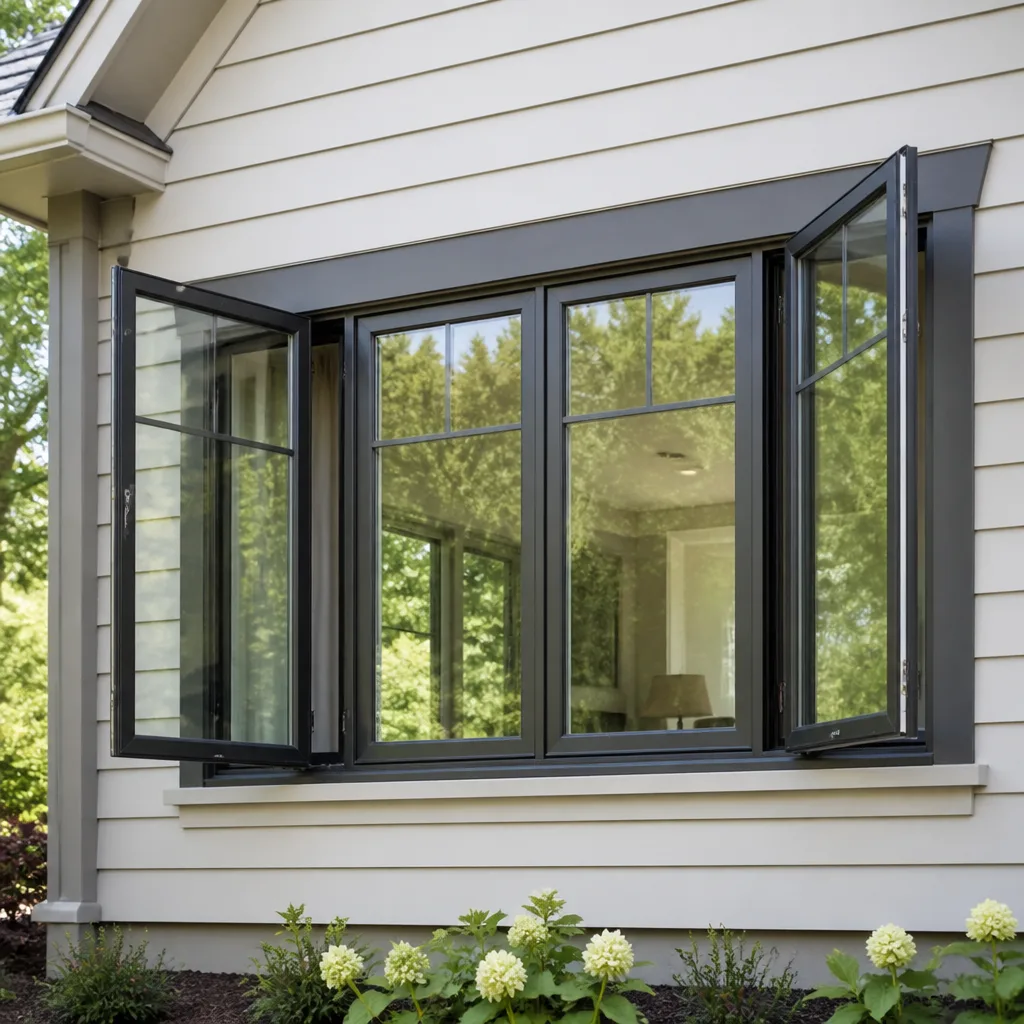 Casement
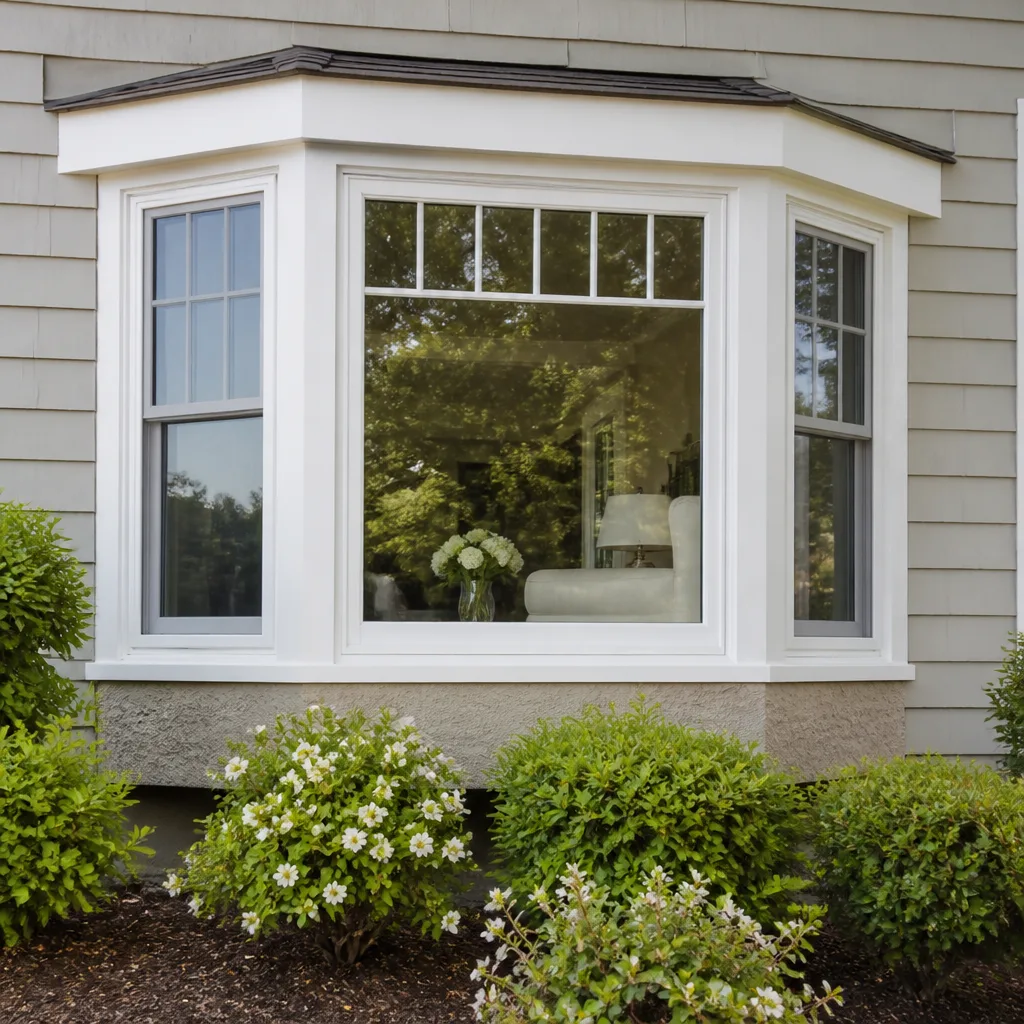 Bay & bow
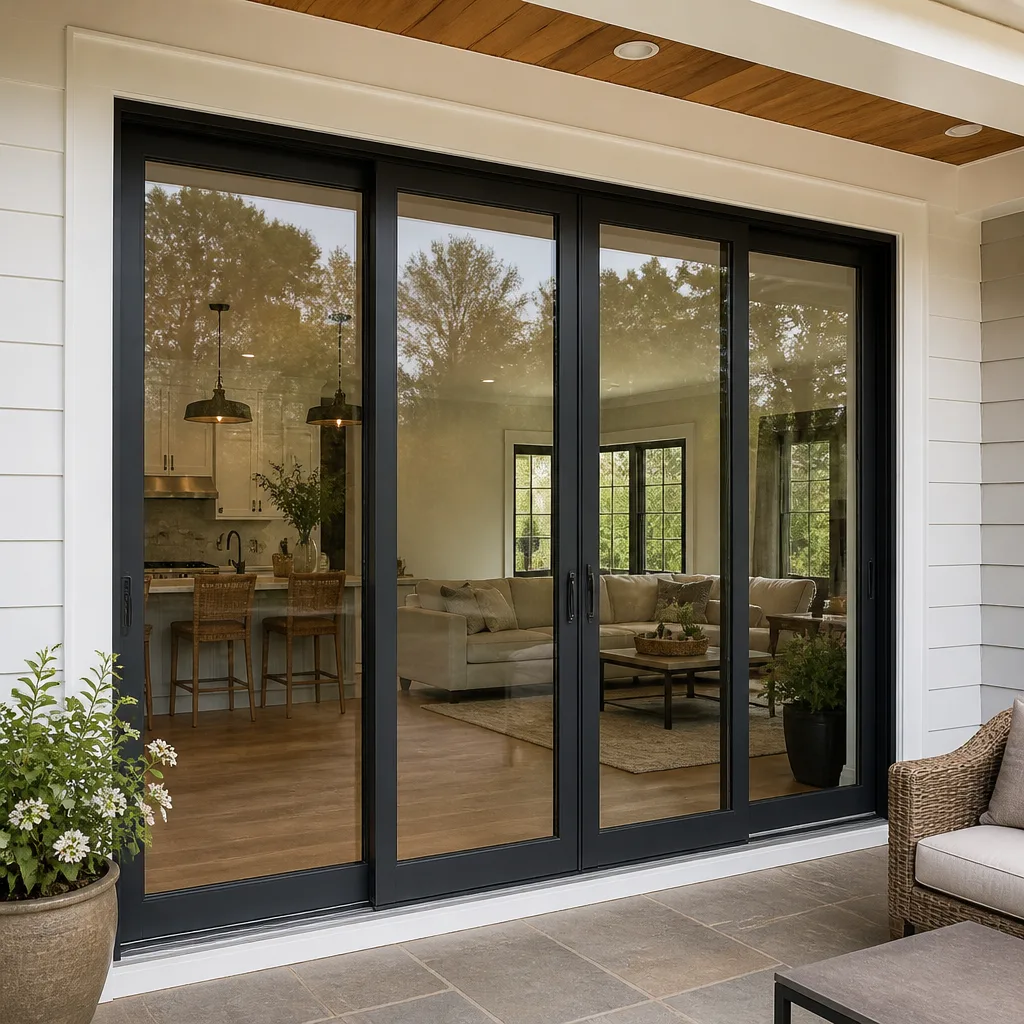 Sliding glass doors
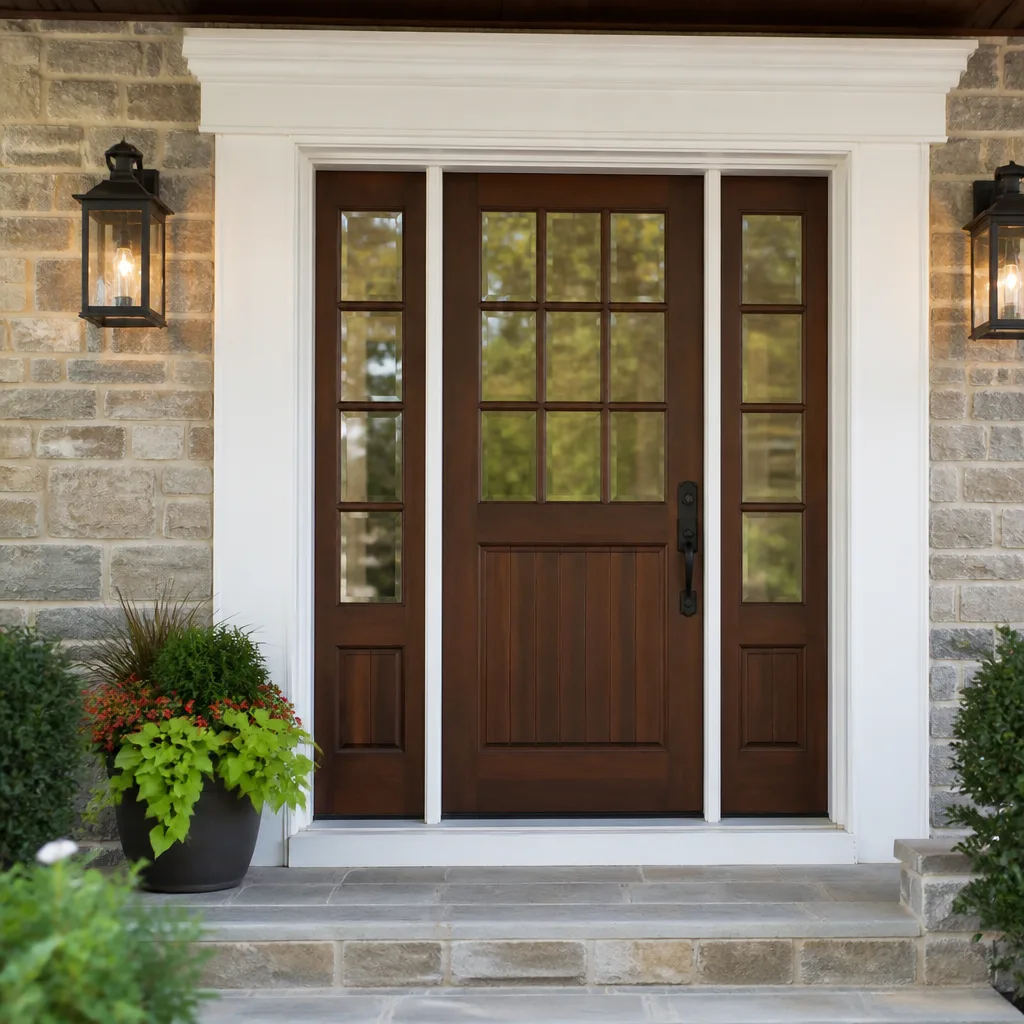 Entry doors
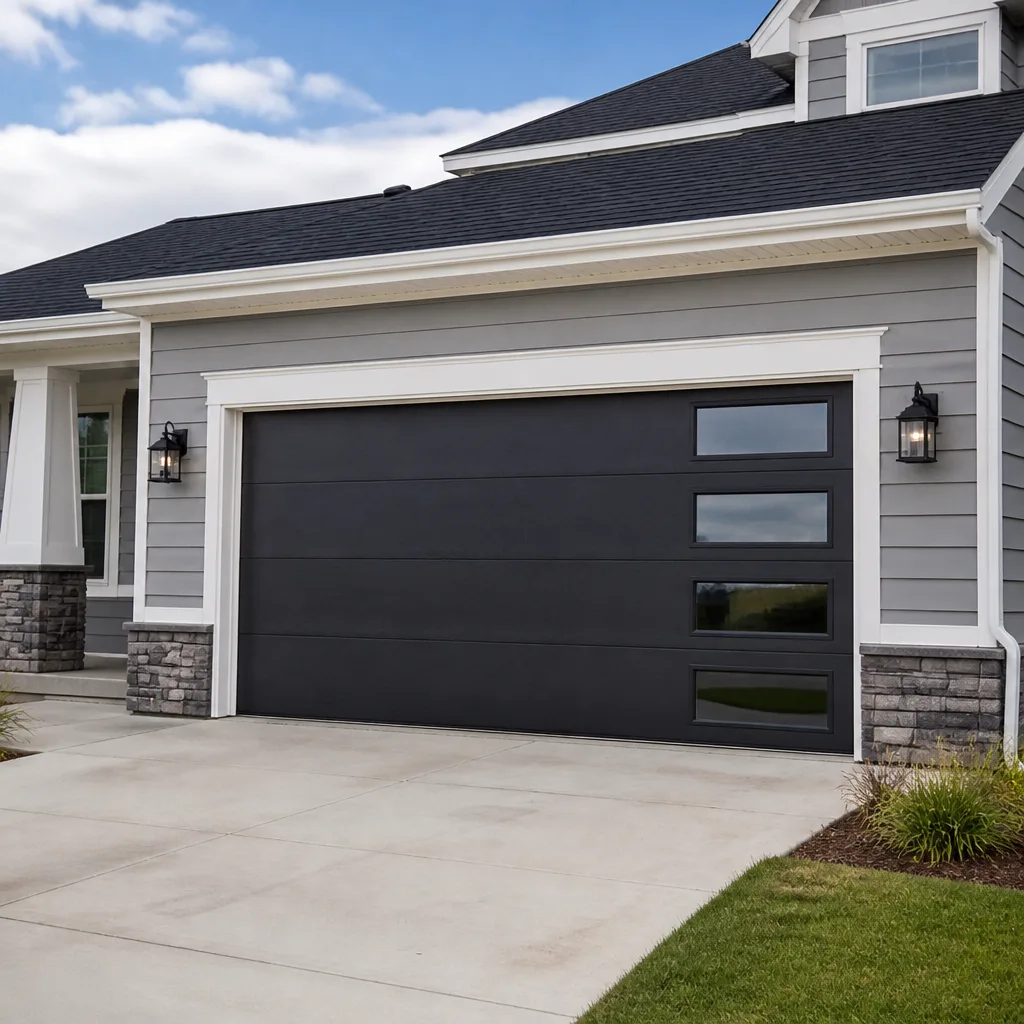 Impact garage doors
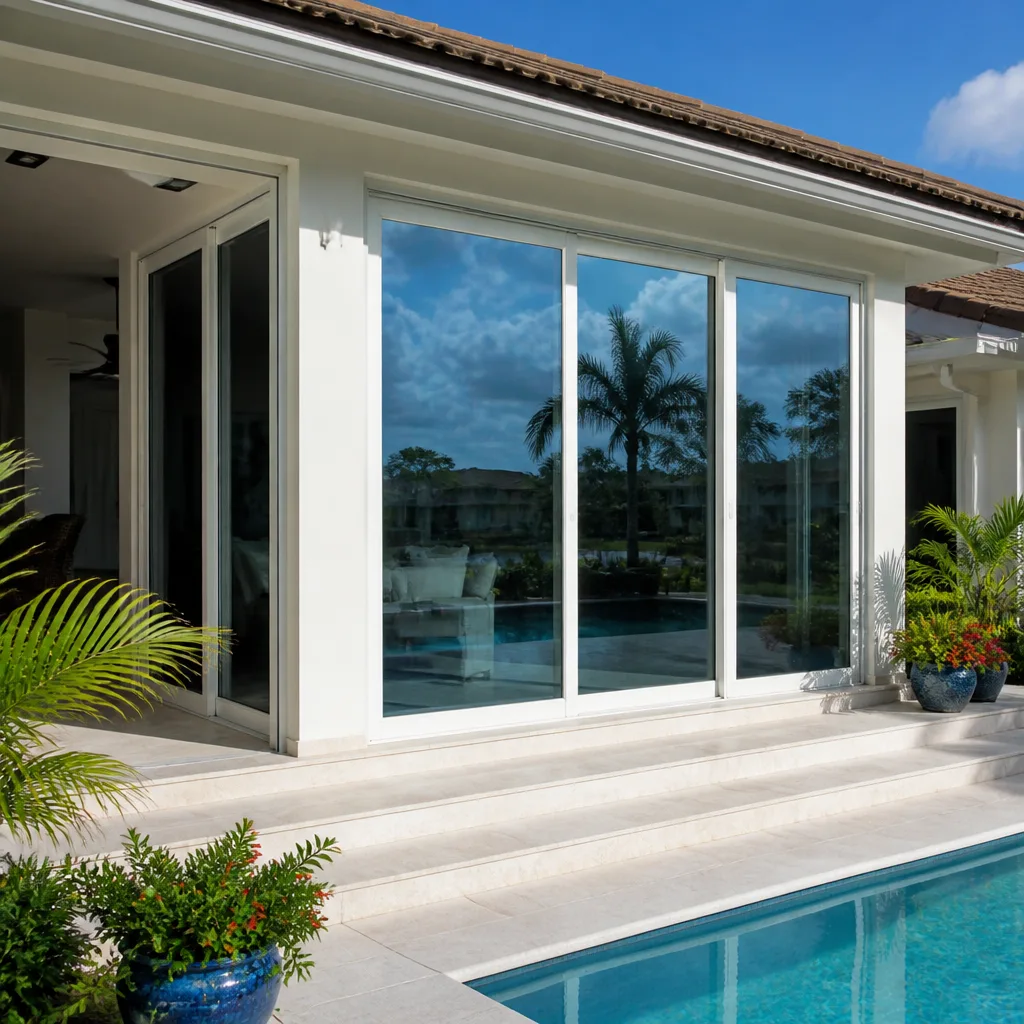 PGT
 CGI
Free in-home measure and quote - PGT, CGI and CWS impact lines compared on your actual openings, style by style
Get your free estimateWindow Replacement Maintenance Checklist for Enterprise Homeowners
UV radiation in the Mojave is roughly 25% more intense than the national average, so most window maintenance advice you find online is calibrated for a climate Enterprise does not have. Generic checklists tell you to wait for fog between the panes or a draft on a cold morning; here, exterior silicone and weatherstripping often show wear years before the glass itself gives any sign of trouble. This guide walks through a desert-specific inspection sequence, from UV-degraded caulk and frame oxidation inward to seal integrity, with simple tests you can run yourself, the thresholds that separate a repair from a replacement decision, and a seasonal matrix built around Enterprise’s actual seasons. Everything below is written from our vantage point at Enterprise Windows & Doors, a specialist that installs windows and doors only.
Styles & brands we work with
- Single hung
- Double hung
- Horizontal roller
- Casement
- Bay & bow
- Sliding glass doors
- Entry doors
- Impact garage doors
- PGT
- CGI
Quick Answer
A desert-climate window maintenance checklist for Enterprise starts outside, not inside: inspect and re-caulk UV-degraded exterior seals and look for frame oxidation before you ever test for drafts or condensation. Then check weatherstripping flexibility, operand hardware, and solar heat gain with a basic IR thermometer, and compare findings against replacement thresholds like failed seals, warped frames, or heat gain that has climbed noticeably. Most windows here need a real inspection twice a year, with the exterior pass scheduled after the harshest sun months rather than the traditional spring-and-fall pattern.
Table of Contents
- Why an Enterprise Checklist Looks Different
- The Desert Inspection Sequence: Outside In
- Testing Solar Heat Gain With an IR Thermometer
- Repair or Replace? The Threshold Indicators
- Maintenance Intervals by Frame Material
- The Seasonal Checklist Matrix for Enterprise
- When Maintenance Turns Into an Energy Upgrade
- Common Mistakes to Avoid
- When to Call a Professional
- Frequently Asked Questions
- The Bottom Line
Why an Enterprise Checklist Looks Different
Most window maintenance checklists are written for temperate climates, and their signature warning sign is condensation trapped between panes. That symptom still matters here, but it is rarely the first thing to fail. In a desert with 300-plus sunny days and extreme UV load, the exterior of a window takes the beating long before the sealed glass unit does. Sun exposure degrades silicone caulk, dries out weatherstripping, and oxidizes frame finishes on a timeline that the manufacturer’s generic maintenance schedule does not account for.
The practical result: a homeowner in Enterprise who checks windows the conventional way, from inside, can miss years of exterior deterioration. By the time a draft or a foggy pane shows up indoors, the caulk line behind it may have been failing for several summers.
Three climate factors drive the difference:
- UV intensity. Southern Nevada sun is harder on organic materials, from caulk and weatherstripping to vinyl and paint, than the national average. Exterior seals age faster than their published service life suggests.
- Low humidity. Dry air pulls moisture from weatherstripping and gaskets, so they stiffen and lose their spring before they visibly crack. A stiff seal stops sealing well before it looks worn.
- Extreme temperature swings. Desert days can run hot and nights cool, and that daily expansion and contraction works on frame joints, glazing seals, and hardware. Small gaps open gradually.
This is why our guidance at Enterprise Windows & Doors starts outdoors. The inside of the window is what you notice; the outside is what fails first. If you want a broader grounding in how these systems are built and what goes into choosing them, our overview of Enterprise Windows & Doors covers the product lines and the scope of work, but for now, keep the exterior at the center of your checklist.
The Desert Inspection Sequence: Outside In
The core of a desert-specific inspection is sequence. Check the exterior first, in this order, before you look at anything inside the house. Working in this pattern catches the failures that actually show up first in Enterprise homes and stops you from spending time on interior symptoms that are downstream of a simple exterior fix.
- Walk the exterior and look up. Check every window from the outside, including the frames above eye level. Look for caulk that has pulled away, cracked, or turned chalky, and for paint or finish that has chalked or oxidized. Sun-facing elevations take the most abuse and usually show it first.
- Test the caulk line, don’t just look at it. Press a fingertip into the bead where the frame meets the wall. Fresh caulk has a slight give; degraded caulk is brittle, crumbly, or peels away from the surface. Any section that fails the press test needs re-sealing, regardless of how it looks.
- Examine frame joints and corners. Look for oxidation (a chalky, faded appearance on aluminum or painted surfaces), hairline cracks at mitered corners, and any visible separation between sections of the frame. These are the early signs of joint movement.
- Check weatherstripping flexibility. Where accessible from outside, pinch the weatherstripping between thumb and finger. It should spring back. If it feels stiff, flat, or brittle, it is no longer sealing.
- Move inside and test the seal. Close the window and slide a piece of paper around the perimeter. If it slides through easily anywhere, the seal has failed at that point. Then check for interior condensation on a cool morning, which signals a compromised glass unit.
- Operate every window and door fully. Open and close each one. Note any drag, sticking, or grinding in the tracks and hardware. In a low-humidity climate, dust and grit in tracks is a common cause of drag and easy to fix.
Done right, this sequence takes an afternoon for a typical home. Done in the wrong order, it leaves you fixing symptoms. If your inspection turns up a door that no longer seals or a frame that has gone out of square, our window replacement work and door installation are handled by the same team under the same warranty conversation, so you are not coordinating two contractors for one opening problem.
Testing Solar Heat Gain With an IR Thermometer
You can tell whether your low-e coating has degraded without buying special equipment or hiring a technician. An inexpensive infrared (IR) thermometer, the kind sold for kitchen and automotive use, measures surface temperature when you point it at a target. Pointing it at the inside face of your glass on a sunny day gives you a rough reading of how much heat the window is letting through, and comparing windows from one year to the next reveals whether performance has slipped.
How to Run the Test
- Pick a full-sun day. Test in the afternoon when the sun is directly hitting the glass. Cloud cover or partial shade skews readings.
- Measure the interior glass surface. Hold the IR thermometer a few inches from the inside face of the glass, at the center of the pane, and hold it steady for a few seconds. Note the reading.
- Measure the same spot on several windows. Record readings for every window on the same elevation so you have a baseline to compare against. Newer windows in the same house make a useful reference point.
- Repeat the test a year later. Low-e coatings do not fail suddenly. They degrade slowly, and the only way to see it in a reading is to compare the same window across time.
Two practical notes. First, this is a comparison tool, not a precision instrument. Treat a large, consistent gap between a suspect window and the rest as a signal to investigate further, not as proof on its own. Second, if the low-e coating has failed, the fix is a replacement glass unit or a new window, not a surface treatment. When your readings suggest a coating has lost its effectiveness, that is a good moment to have the window evaluated.
For homeowners in Enterprise who want to know where they stand, this test is a low-cost starting point. Modern energy-efficient windows from lines like ECO Window Systems are built specifically for efficiency-focused builds, so if your readings suggest a house full of windows has lost its solar performance, you have a clear baseline for the conversation.
Repair or Replace? The Threshold Indicators
Most window maintenance decisions come down to one question: is this a fix or a replacement trigger? Maintenance fixes are exterior: re-caulking, re-sealing, cleaning tracks, adjusting hardware, replacing weatherstripping. Replacement triggers are structural or performance-based. The table below separates them.
- Exterior caulk and weatherstripping: typically a maintenance fix. Re-sealing is inexpensive and part of routine care. If the caulk fails repeatedly in the same spot, look for a deeper cause.
- Frame oxidation or chalky finish: usually a maintenance concern at the early stage. Deep oxidation, pitting, or finish failure that keeps coming back is a sign the frame is nearing the end of its service life.
- Failed glass seal (fogging, condensation between panes): a replacement trigger for that unit. A failed sealed unit loses its insulating value and will not recover.
- Warped, out-of-square, or misaligned frame: a replacement trigger. Warping distorts the opening, and no amount of re-sealing restores a frame that has lost its shape.
- Solar heat gain that has climbed noticeably against your own baseline: a replacement trigger for the affected window. Coating performance does not come back.
- Hardware that no longer operates, or tracks that will not correct with cleaning: depends on the window. Hard to source parts, especially on older windows, push the decision toward replacement.
The cost-decision logic is simple: if the repair is a matter of consumables (caulk, seals, weatherstripping) and the frame and glass are sound, maintain it. If the repair requires replacing a sealed unit, re-squaring a frame, or restoring lost solar performance, price the replacement before you commit, because the repair may not be your best value on an aging window. In our experience at Enterprise Windows & Doors, the windows that trigger replacement conversations most often are the ones that sat through years of UV exposure on the exterior without being re-sealed. If you want to understand the full replacement scope before making the call, our window installation page explains what a new installation involves from start to finish.
Maintenance Intervals by Frame Material
Frame material changes your maintenance schedule in the Nevada desert. High UV and low humidity stress different materials in different ways, and the intervals you use should reflect that.
Vinyl
Vinyl is the most common replacement frame for good reason: it does not need painting and holds up well in dry climates. The caveat is UV. Sustained sun exposure can fade, chalk, or discolor the surface, and over years it can make the material more brittle, especially on the sun-facing side of the house. Plan on an exterior inspection of vinyl frames at least twice a year, with a closer look at corners and joints after the hottest part of the year.
Fiberglass
Fiberglass is dimensionally stable, which means it resists the swelling, shrinking, and warping that temperature swings can cause in other materials. That stability reduces how often you need to check frame squareness. What still needs attention is the finish coat and the caulk line, both of which take UV exposure. A yearly exterior pass on finish and seals is usually enough, with joint checks twice a year.
Aluminum-Clad Wood
Aluminum cladding on the exterior protects the wood core, so the maintenance concern shifts from the wood itself to the clad surface and the joints. Oxidation and finish wear on the aluminum cladding is the first thing to look for, especially on sun-facing elevations. Caulk at joints deserves a close look at every exterior inspection, because small cladding gaps let water in behind the wood. Wood cores inside the home need less attention in low humidity, but check interior trim for cracking or separation annually.
What This Means for Your Schedule
- Vinyl: exterior inspection and caulk check twice a year; finish and fade check yearly.
- Fiberglass: exterior finish and seal check yearly; joint and squareness check twice a year.
- Aluminum-clad wood: cladding and joint inspection twice a year; interior trim inspection yearly.
Our technicians have up to 11 years of experience working with these materials and can tell you what the frame on your particular window needs. If you are choosing new frames, brands like Mr-Glass and ViewLux offer different options, and we carry both alongside other lines so the material matches your home rather than a single brand’s inventory.
The Seasonal Checklist Matrix for Enterprise
Generic checklists divide the year into spring and fall maintenance. That framing was built for places with hard freezes and wet seasons, and it does not map to a high-desert climate. Here is a matrix built around Enterprise’s actual seasonal pattern.
- Early spring (the sunny stretch): walk the exterior and check caulk and frame oxidation after the first run of warm, sunny weather. The sun-facing elevations take the first hit. Clean tracks and hardware, and test windows that have been closed all winter.
- Late spring (before summer heat): run the IR thermometer test on all full-sun windows and record the readings. Check weatherstripping flexibility. Tighten or adjust any hardware that loosened over the winter.
- Summer (peak UV load): this is the stretch that does the most exterior damage. Do a mid-season visual check for caulk cracking and finish chalking from the outside only. Note anything to address after the heat lets up.
- Early fall (post-summer repair window): re-caulk the sections that failed the press test, and replace stiff weatherstripping. This is the year’s main maintenance appointment. Re-run the IR test and compare to your spring readings.
- Late fall (before the cool nights): check the interior seal test on all windows and doors, and check door sweeps and thresholds.
- Winter (cool-season review): review your notes from the year, check interior condensation on cool mornings, and decide whether any windows should go on the replacement list.
One more note: the sun-facing side of your house usually needs its own schedule. If your home has a south or west elevation that takes the full afternoon sun, inspect those windows more often than the rest and expect their caulk and finish to need attention first. For those of you who take notes, our overview of Enterprise is a useful place to start building your own baseline, because local conditions are what the schedule is really built around.
When Maintenance Turns Into an Energy Upgrade
Maintenance keeps a sound window working. But if your inspection reveals that several windows are failing at once, the maintenance budget starts to compete with an upgrade, and the math changes. You are no longer weighing a re-caulk against a new window; you are weighing a series of repairs against a decision to redo the openings and lock in performance.
This crossover usually happens when a home’s windows were installed around the same time and are aging together. The seals fail in clusters, the exterior caulk needs redoing on multiple elevations, and the low-e coatings are showing their age. When it reaches that point, a piecemeal approach tends to cost more over time than replacing the affected windows as a set.
An energy-driven replacement has a few clear goals, and our brand-agnostic model lets us match them to your project rather than to a single product line:
- If heat gain is your main problem, the priority is glazing that blocks solar heat. Energy-efficient lines like ECO Window Systems are built for exactly this kind of efficiency-focused build.
- If protection is your main problem, impact-rated products are the answer. We carry PGT and CGI for high-performance protection, so storm performance and security are a real option, not an afterthought.
- If it’s a door as well as the windows, premium door systems from Therma-Tru let you handle both openings in one project under the same warranty conversation.
Because we carry eight brands under one roof, a homeowner is not forced to pick between the one line a dealer stocks and what the house actually needs. The right window for your home is not just the one we happen to stock. If your maintenance inspection suggests an upgrade is coming, call (877) 558-4821. We answer 24/7.
Common Mistakes to Avoid
- Checking the inside before the outside. Indoors is where you notice problems, but the exterior is where they start in a desert. Inspecting from inside first means you spend your time on symptoms while UV damage on the caulk carries on.
- Waiting for fog between the panes to act. A failed sealed unit is a real signal, but by the time fog appears you have already lost performance. Check the exterior regularly so you catch seal failures at the early stage.
- Assuming stiff weatherstripping is fine because it isn’t cracked. In low humidity, weatherstripping dries and goes stiff before it visibly fails. If it does not spring back when you pinch it, it is no longer sealing.
- Using a cheaper caulk rated for a temperate climate. UV-degraded sealant fails again in a hurry. Use a product rated for sun exposure and check the beads after the first full summer.
- Skipping the sun-facing elevations on your inspection. South and west walls take the most UV, so their windows need the most attention. Many people only inspect the windows they walk past most, which are often the shaded ones.
- Reading an IR thermometer once and calling it done. A single reading means little on its own. The measurement is a comparison over time; without a baseline, you cannot tell whether a coating has degraded.
- Replacing a window when a re-caulk would do it. Exterior maintenance is inexpensive and keeps sound windows in service. If the frame and glass are sound, maintain them; save the replacement budget for the windows that actually need it.
When to Call a Professional
Some items on this checklist are homeowner tasks: cleaning tracks, noting readings, checking caulk with a fingertip. Others are a job for a trained window specialist. Call a professional when you find:
- Sealed units that have fogged or failed, since replacement glass needs a proper fit and seal.
- Frames that are warped, out of square, or pulling away from the opening.
- Interior condensation on multiple windows that persists across the cool season.
- IR readings that show a consistent loss of performance on a window set.
- Doors that will not seal, bind, or operate smoothly despite adjusting the hardware.
Any of these signals a window or door problem that deserves a professional set of eyes, and a proper inspection tells you whether you are looking at a repair or a replacement. Enterprise Windows & Doors offers free estimates in Enterprise: call (877) 558-4821. We answer 24/7. Fast dispatch from 7am to 7pm, Sunday through Friday.
Frequently Asked Questions
Twice a year is the baseline: one exterior pass in early spring and one in late fall, with the year’s main re-caulking done in the early fall after summer heat has let up. Sun-facing windows should be checked more often than shaded ones because they take the most UV. If you have a full-sun elevation, treat those windows on their own, more frequent schedule.
Fog between the panes means the sealed glass unit has lost its seal, and it can happen in any climate. In a desert, the failure is often driven by the extreme temperature swings across the glass and by sun exposure breaking down the perimeter seal material. Once the seal fails, the unit cannot be repaired; it needs to be replaced. Call (877) 558-4821 for a free estimate on a replacement unit or window.
Use an inexpensive infrared thermometer to measure the interior glass surface on a full-sun afternoon, record the readings for each window, and repeat the test the following year. The change over time matters more than any single reading, so a consistent gap between a suspect window and the rest is the signal to investigate. A professional inspection can confirm whether the coating has degraded.
A handyman can handle caulking and simple hardware, but a window replacement involves fitting, sealing, and warranty implications that are best handled by a window specialist. Because we carry eight brands, our team matches the product to the opening and the home’s performance needs instead of offering whatever one dealer has on hand. Call us for a free estimate if you are unsure whether a fix or a replacement is the right call.
Fiberglass and aluminum-clad wood generally need less frequent joint and squareness attention than vinyl, because they hold their shape through temperature swings. All three still need the exterior caulk and finish checked regularly in high-UV conditions. The best fit depends on your home and the specific exposure; our team can compare the options with you.
Replacing aging windows can reduce heat gain, especially if the low-e coating has degraded or the seals have failed, but the amount varies by home, window count, and exposure. The honest way to size it is to test and compare first, then price the replacement against the savings you expect. A written estimate from us shows exactly what you are paying for. Call (877) 558-4821. We answer 24/7. Fast dispatch from 7am to 7pm, Sunday through Friday.
The Bottom Line
Window maintenance in Enterprise, Nevada has to be built for sun and dry air, not for the temperate-climate shortcut of waiting for fog between the panes. Inspect the outside first, test the caulk and frame, check weatherstripping flexibility, and run the IR thermometer comparison on a schedule. Re-caulk and re-seal in the early fall, check interiors before the cool season, and let your own year-over-year readings tell you when a window has crossed from maintenance into replacement. Do that, and a failed seal or a stiff gasket shows up before it turns into a bigger job. When a repair becomes a replacement decision, a free estimate from our team gives you real numbers to work with.
If this year’s inspection turned up failing seals, warped frames, or windows that no longer perform, give us a call. An estimate is free, the quote is written line by line, and our consultation is a matching process that starts with your performance needs. Call Enterprise Windows & Doors at (877) 558-4821 for a free estimate. We answer 24/7. Fast dispatch from 7am to 7pm, Sunday through Friday.
Written by the team at Enterprise Windows & Doors.
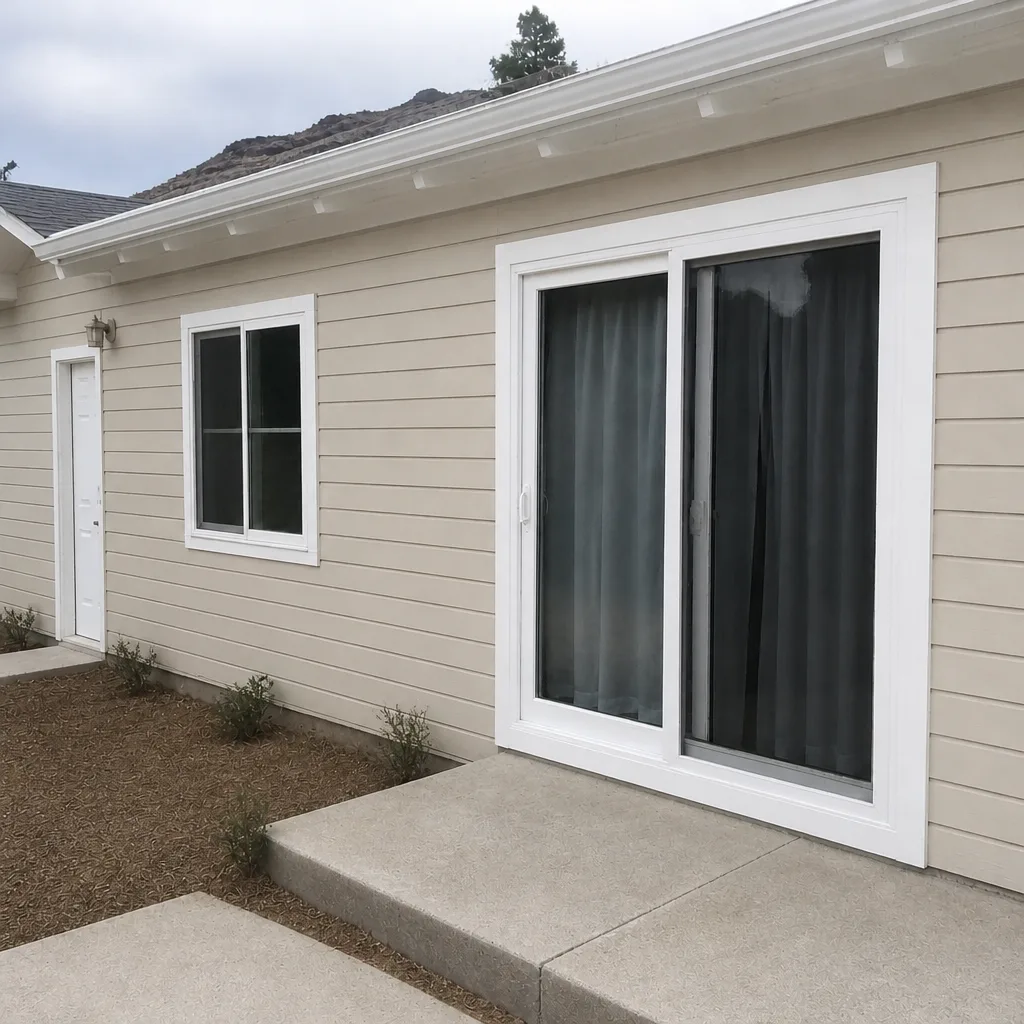
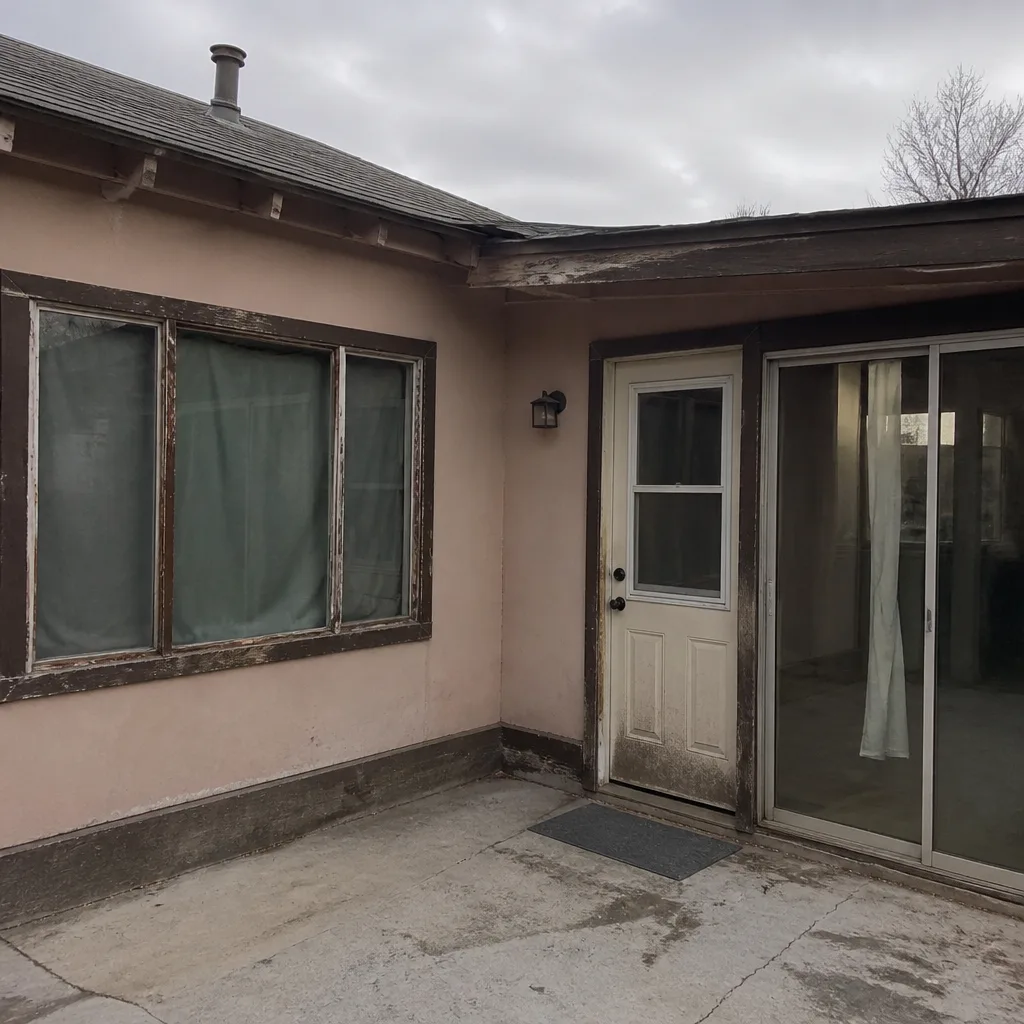
See the difference
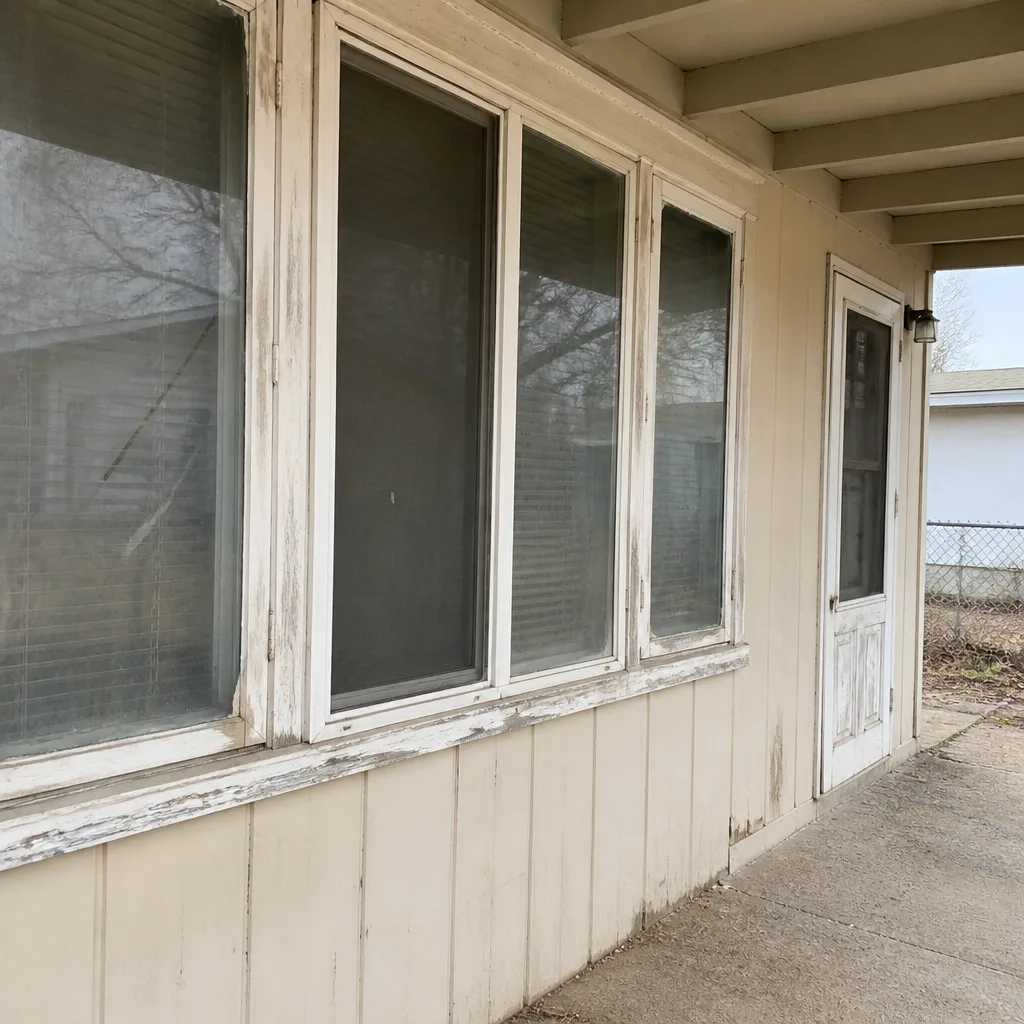 Before
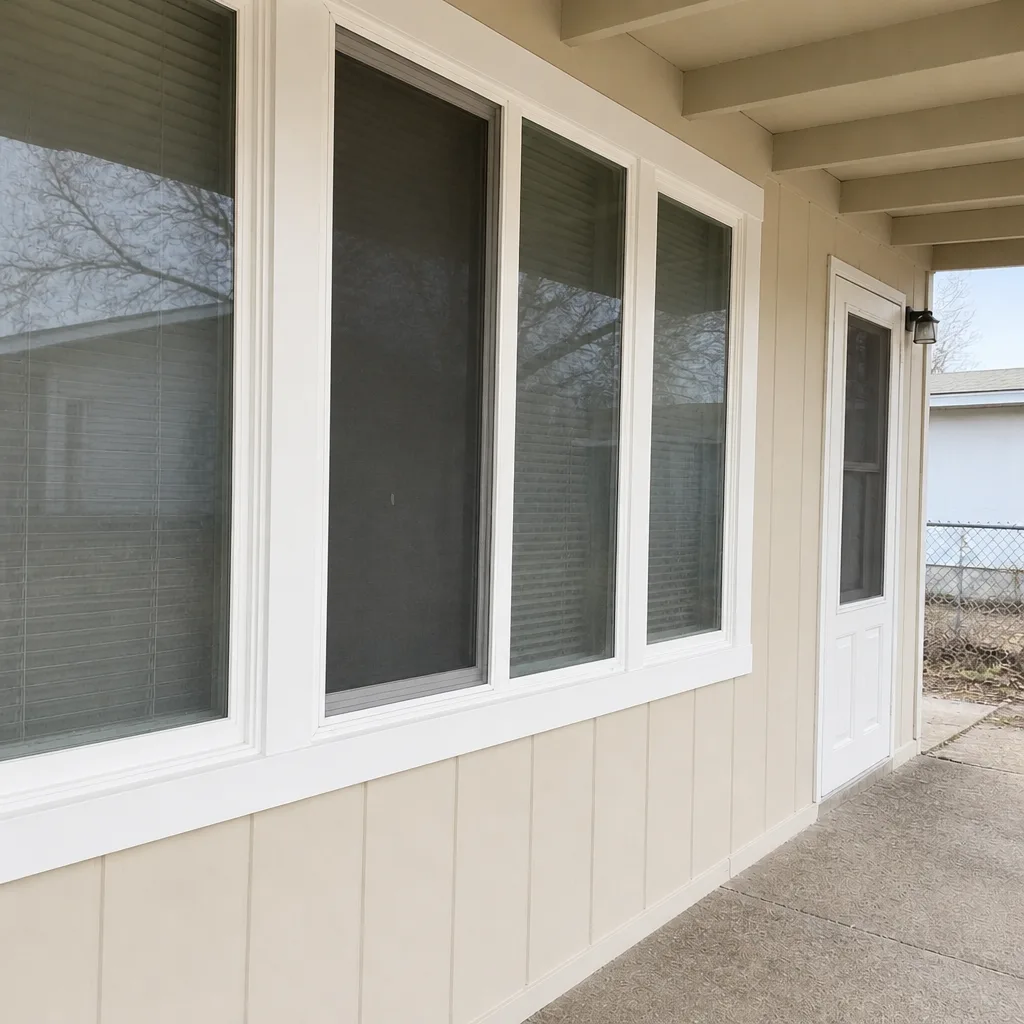 After
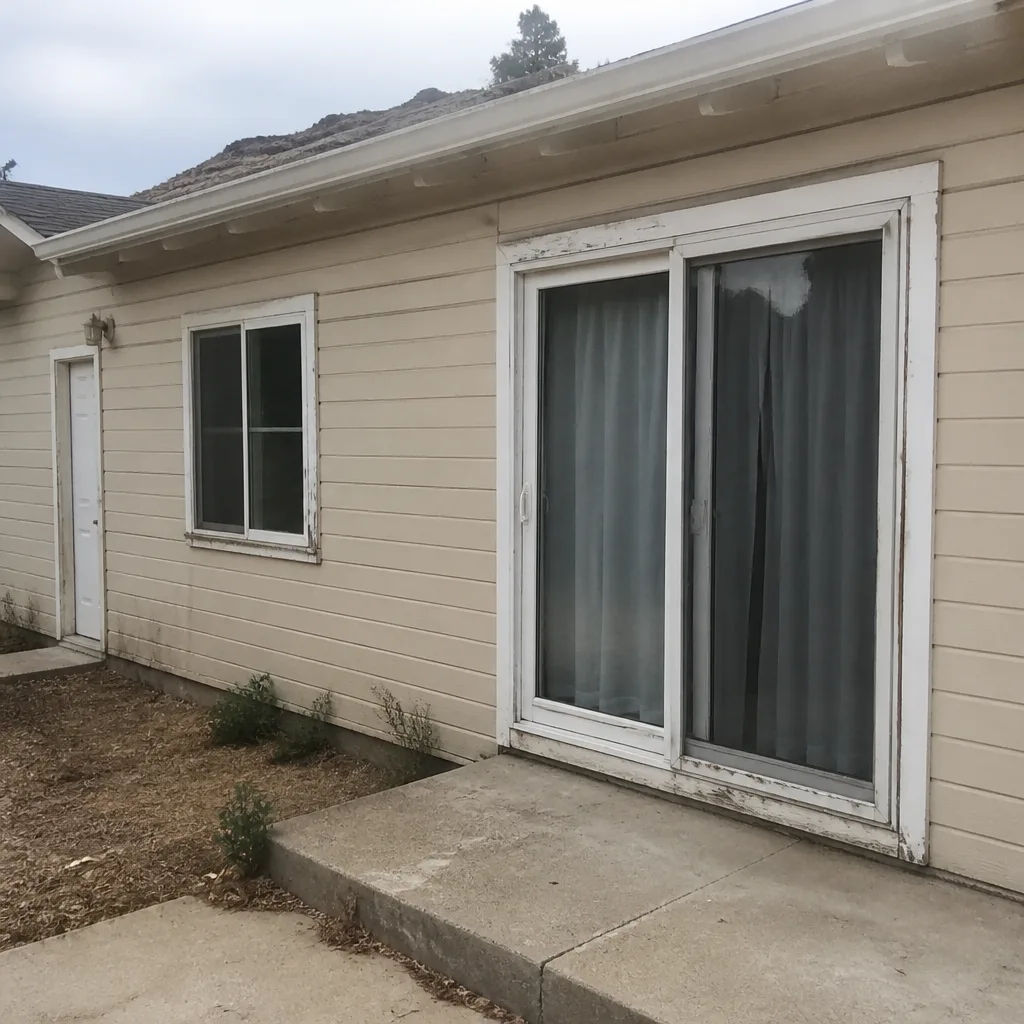 Before
 After
 Before
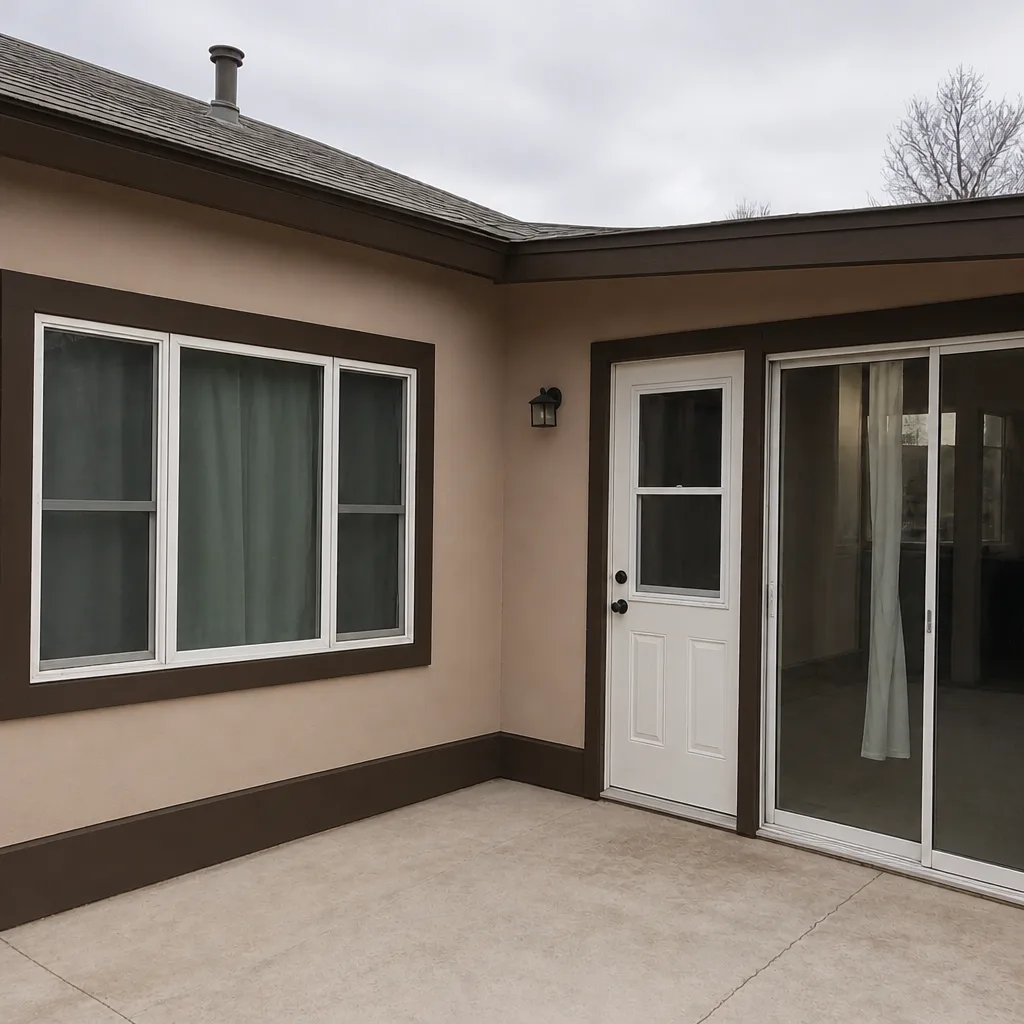 After