Last updated November 18, 2026
 Sliding glass doors
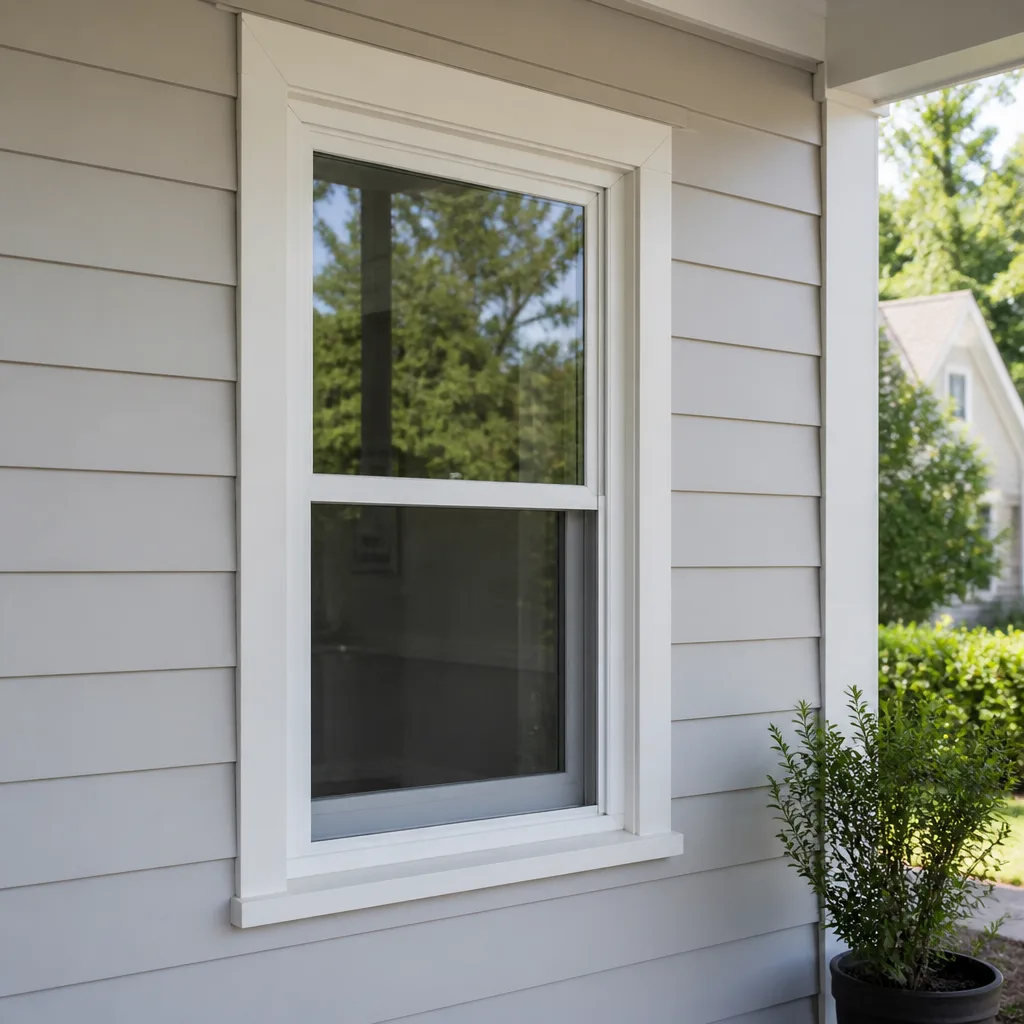 Single hung
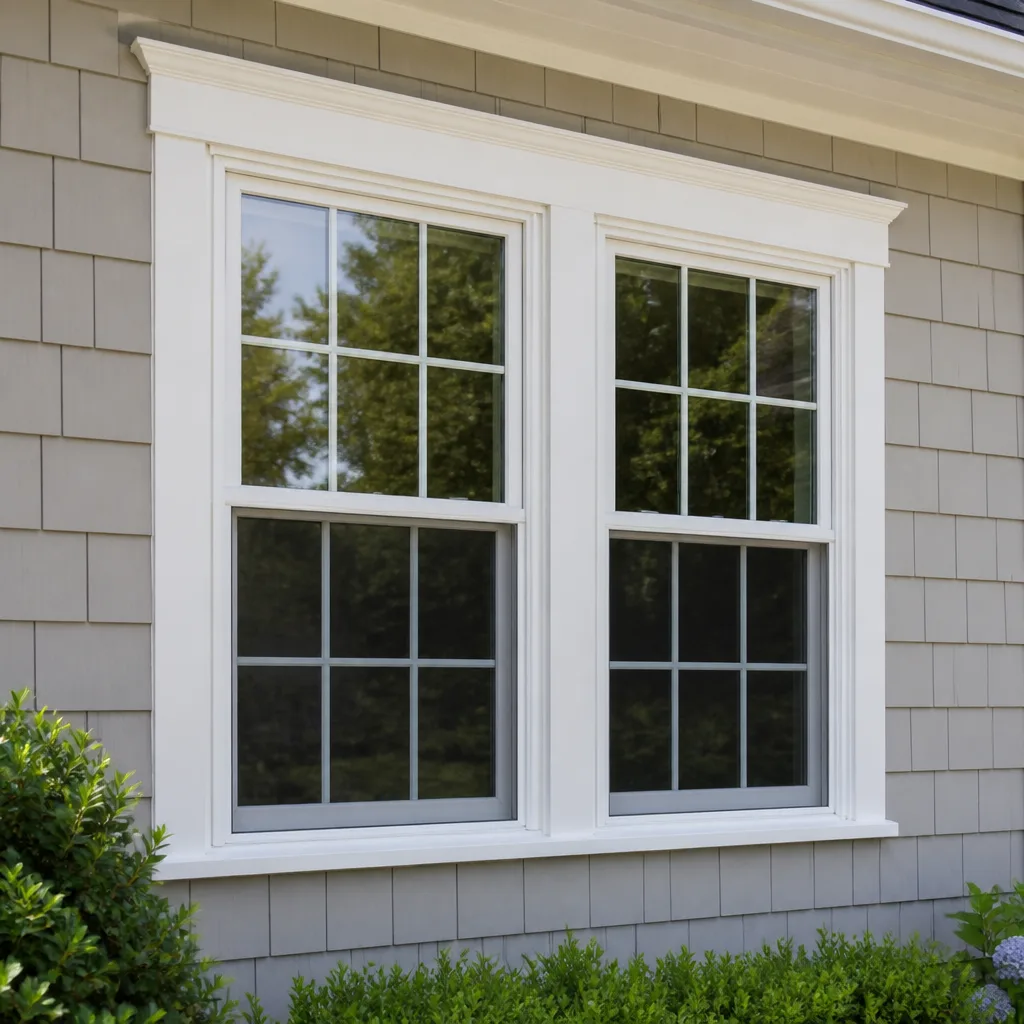 Double hung
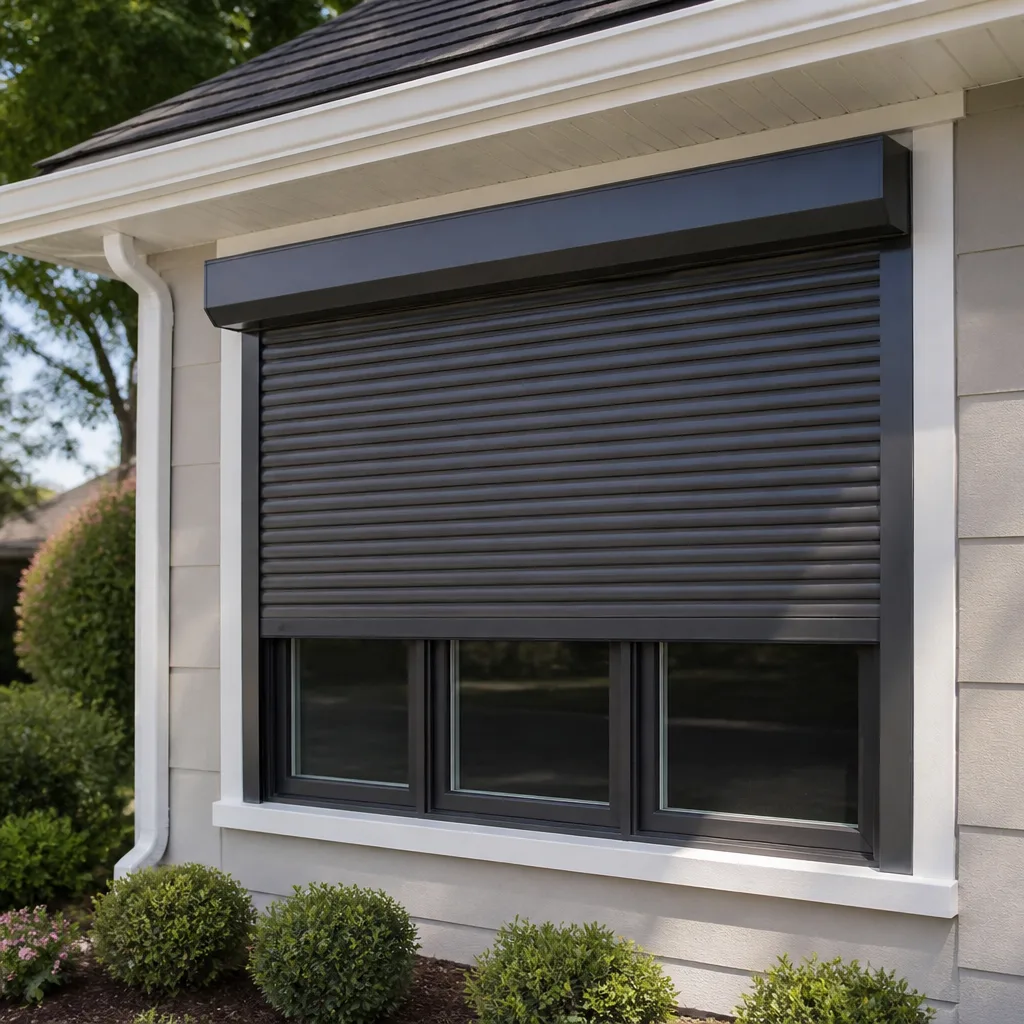 Horizontal roller
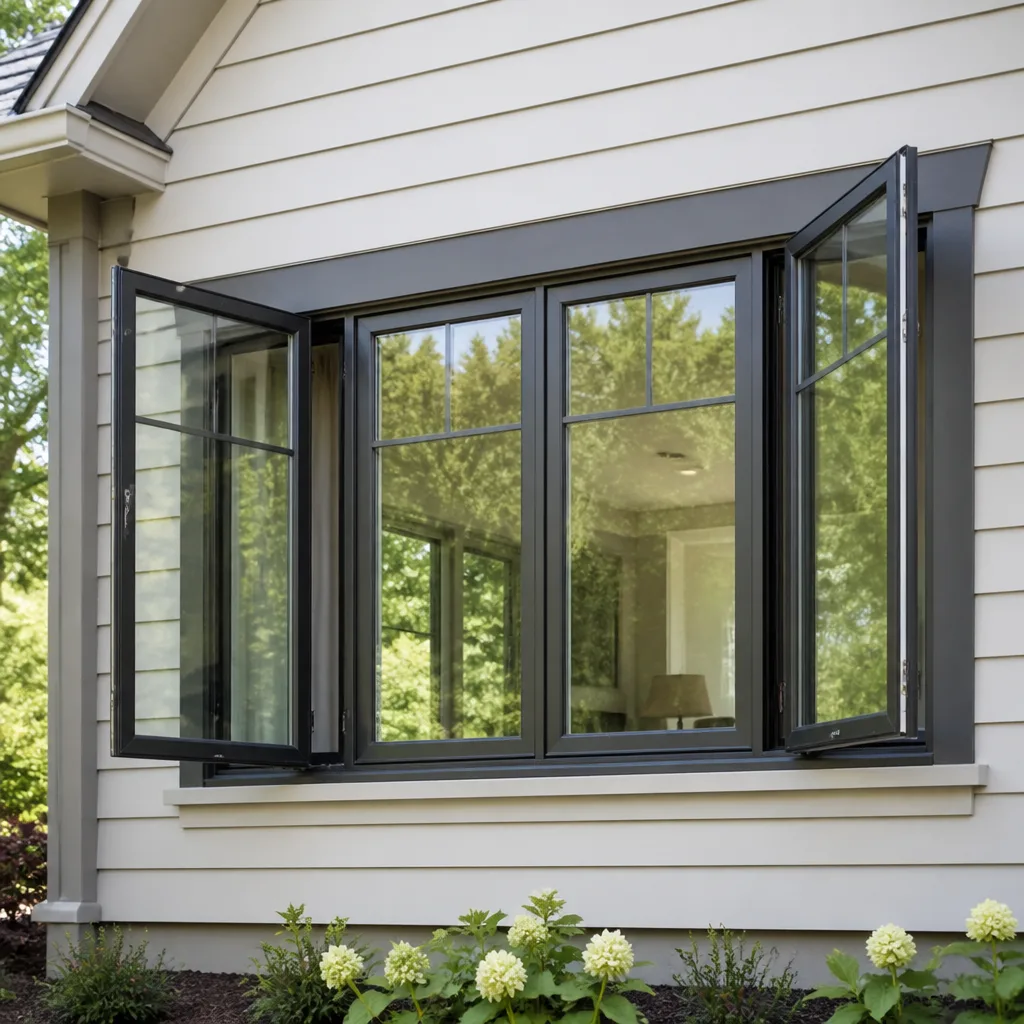 Casement
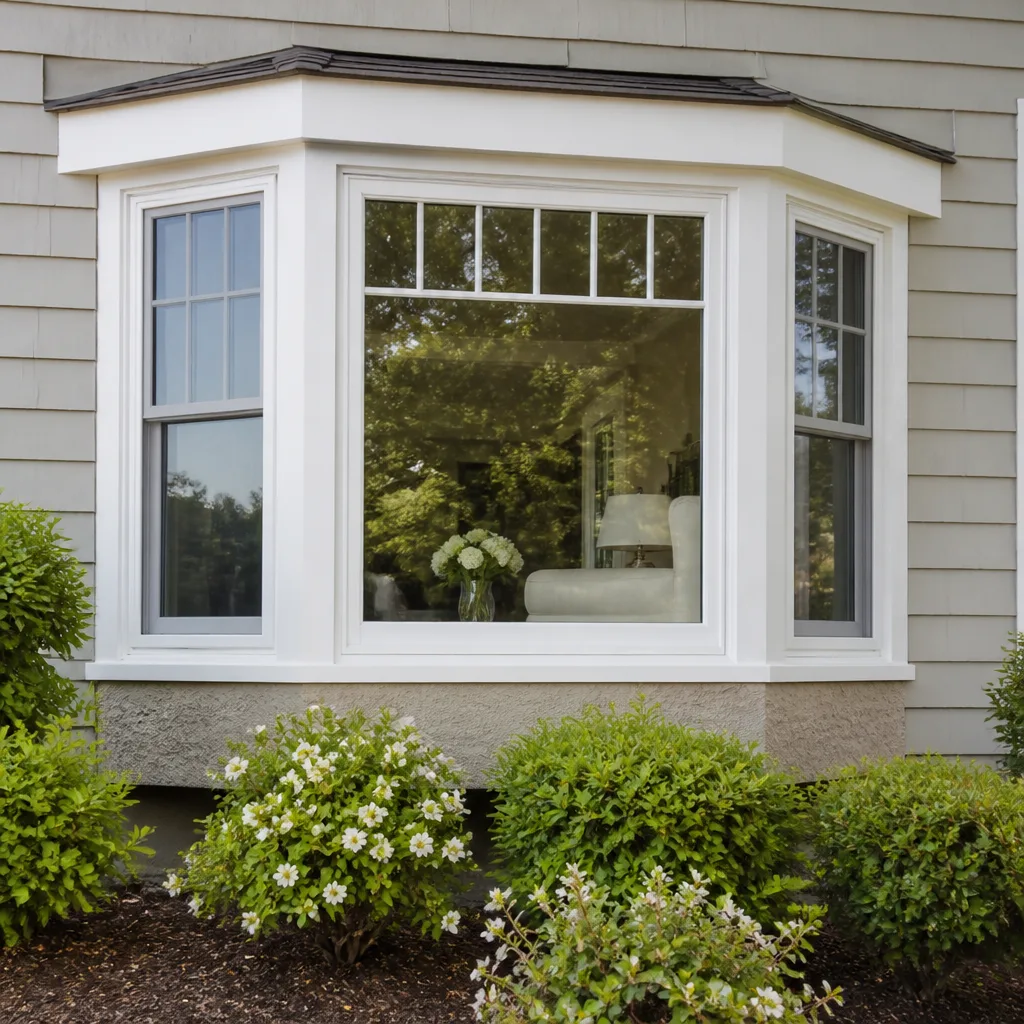 Bay & bow
 Entry doors
 Impact garage doors
 PGT
 CGI
Free in-home measure and quote - PGT, CGI and CWS impact lines compared on your actual openings, style by style
Get your free estimateDIY vs Professional Windows & Doors: The Enterprise Homeowner’s Decision Guide
A YouTube tutorial can teach you to swap a window in a wood-framed wall. It cannot teach you that the brand you bought voids its lifetime warranty the moment you skip the certified-installer requirement buried on page 11 of the product documentation. That single clause is where most DIY window and door budgets quietly fall apart. Homeowners in Enterprise run the numbers on labor and stop there, never opening the warranty packet that came with the box. This guide walks through the real math: what certified installation protects, which jobs are genuinely fair game for a handy homeowner, what Clark County permits actually demand, why stucco changes everything here, and how to build a break-even framework you can defend. Enterprise Windows & Doors put it together because we answer these questions on every call.
Quick Answer
For most Enterprise homeowners, professional installation is the financially safer choice because the labor you save on DIY is usually smaller than the warranty coverage you give up. That gap matters most with brand-name products: PGT, CGI, Therma-Tru and similar lines condition their product warranties on installation by an approved installer, and a failed seal or cracked glass unit five years down the road lands on your ledger instead of theirs. DIY stays reasonable only in narrow cases: same rough opening, direct-set replacement, no HOA, and a product whose paperwork you have actually read. Stucco exteriors, impact-rated units and anything requiring a permit tilt heavily toward a licensed pro.
Styles & brands we work with
- Single hung
- Double hung
- Horizontal roller
- Casement
- Bay & bow
- Sliding glass doors
- Entry doors
- Impact garage doors
- PGT
- CGI
Table of Contents
- What the Warranty Paperwork Actually Says
- What “Certified Installer” Really Means Across Brand Tiers
- Three Enterprise Scenarios Where DIY Is Genuinely Reasonable
- Four Scenarios Where DIY Creates Material Risk
- Clark County Permits: The Inspection Math Nobody Runs
- Why Stucco Integration Rewrites the Rulebook in Enterprise
- Building Your Own Break-Even Calculator
- Resale, Disclosure, and What Buyers Ask
What the Warranty Paperwork Actually Says
Most window and door warranties are conditional documents, not blanket promises. The product is covered against manufacturing defects, but that coverage attaches to installation performed a specific way, often by a specific class of installer. Read the fine print on a PGT or Therma-Tru unit and you will find language tying validity to approved installation methods and, in many lines, to installation by a trained or certified installer. Skip that requirement and the warranty does not disappear entirely; it narrows. Glass seal failures, which are among the most common and most expensive warranty claims, often fall outside coverage once the installation method is in question.
Here is how the requirements tend to break down by tier:
- Entry-level and builder-grade lines: warranties are shorter and often silent on installer certification, but they cover less to begin with. A voided seal warranty here costs less, which is one reason DIY is more defensible on this tier.
- Mid-tier energy-efficient lines such as ECO Window Systems: the warranty usually hinges on correct flashing and sealing at the rough opening, and the manufacturer can request photos of the installation before honoring a claim. Documentation is your burden.
- Impact-rated lines such as PGT and CGI: these carry the strictest installation language because the product’s rated performance depends on how it is anchored and sealed. An improperly set impact unit may fail its intended purpose and the warranty claim along with it.
- Premium door systems like Therma-Tru: warranties on door slabs and frames are frequently tied to installation by a qualified installer, and frame squareness and threshold sealing are the inspected details.
The pattern is consistent: the more performance the product promises, the more the manufacturer cares who installed it. That is not an accident. It is how the brand protects itself, and it is also how it protects you, if you let it.
What “Certified Installer” Really Means Across Brand Tiers
Certified installer status is not one credential; it is a family of programs with different requirements. At the strict end, a manufacturer trains and audits the installer, requires specific flashing and anchoring methods, and can revoke status if work falls short. At the looser end, certification amounts to a dealer agreement and an installation guide, with no site verification at all. Knowing where a given brand sits tells you how much protection you are buying when you hire.
In practice, when you work with a dealer who is an authorized installer, the chain of accountability closes. If a unit leaks, the manufacturer cannot point to the installer and the installer cannot point back to the manufacturer without someone resolving it. When you install it yourself, you become the installer of record, and every party in the chain has a clean reason to decline the claim. We see this play out in consultations: homeowners who bought product online and installed it themselves, then discovered the warranty required a professional. It is one of the most common reasons people end up replacing a window twice.
Enterprise Windows & Doors is an authorized dealer and installer for eight brands, including PGT, CGI, CWS, ES Windows, ECO Window Systems, Mr-Glass, Therma-Tru and ViewLux. That lineup matters for this decision because it means you can compare warranty terms across brands before you commit, instead of accepting whatever one dealer happens to stock. If warranty validity is your deciding factor, seeing several sets of terms side by side is worth more than any single quote.
Three Enterprise Scenarios Where DIY Is Genuinely Reasonable
We are not going to tell you every job needs a professional. That would be dishonest and, frankly, bad advice. There are real situations where a capable homeowner can install a window or door and come out ahead. Here are the three we consider defensible.
- Direct-set replacement into the same rough opening. If the new unit is sized to drop into the existing opening with no framing changes, and the old unit comes out cleanly, the job is closer to a careful swap than a construction project. The risk concentrates in flashing and sealing, so a homeowner who understands those details can do the work responsibly.
- Non-HOA property with a low-tier product. HOAs in planned Enterprise communities often require approved products and licensed installers, and violating that rule creates its own cost. If you are outside HOA jurisdiction and using a builder-grade unit whose warranty does not hinge on installer certification, DIY is a fair calculation.
- Interior doors and non-structural door replacements. An interior door swap is carpentry, not envelope work. There is no flashing, no weather sealing, and no permit. The same holds for some non-structural exterior door replacements where the opening is unchanged and the product warranty does not demand a certified installer.
Notice what all three have in common: no change to the building envelope’s weather barrier, no impact-rated product, and no HOA or permit entanglement. If your project checks those boxes, the DIY math can work. If it does not, keep reading.
Four Scenarios Where DIY Creates Material Risk
The risk cases are not about skill; they are about consequence. A careful homeowner with a level and a caulk gun can still create an expensive problem if the job triggers a warranty clause or a permit inspection. Here are the four situations where we would steer anyone toward a professional.
- Any impact-rated product in a high-performance line. PGT and CGI units are engineered to a rated standard, and installation method is part of that rating. If the unit is not anchored and sealed per the manufacturer’s instructions, the warranty and the performance both become questionable. The savings rarely justify the exposure.
- Any project that requires a permit with inspection. A failed inspection means correction and re-inspection, and the reinspection cost can exceed the labor you saved. We cover the math in the next section.
- Stucco exteriors. Most Enterprise homes are finished in stucco, and stucco integration is a genuinely demanding detail. A tutorial filmed on wood siding will not translate. Cracks, poor flashing and improper patching are the usual outcomes, and fixing them is a specialty repair.
- Any new rough opening or structural change. Cutting a new opening, enlarging one, or altering framing crosses from installation into construction. That is an engineered job and a permit job, and it is not a reasonable DIY project for most homeowners.
One more: anything with a lifetime warranty attached to a premium line. The whole point of paying for a Therma-Tru or ViewLux product is the coverage. Installing it yourself and forfeiting the warranty is paying premium prices for builder-grade protection.
Clark County Permits: The Inspection Math Nobody Runs
Nevada allows homeowners to pull their own permits for work on their primary residence, and that is a genuine convenience. It is also where a lot of DIY budgets go sideways. When you pull the permit, you also own the inspection. If the inspector finds that the flashing is wrong, the anchorage is insufficient, or the stucco integration was not done to code, you get a correction notice. You then fix it, and you pay for a re-inspection. Depending on the scope, the correction and re-inspection can cost more than the labor you saved by skipping a professional in the first place.
Here is how the sequence usually goes when a professional installer handles permits:
- The scope is defined in a written estimate that names the permit requirement.
- The permit is pulled under the installer’s credentials, so the installer carries the inspection burden.
- The rough-in and flashing are inspected before the final finish goes on, which is the moment a failed inspection is cheapest to fix.
- Final inspection closes the permit, and the paper trail supports the manufacturer’s warranty and any future resale disclosure.
When you pull your own permit, steps two through four shift to you. That is not a reason to avoid permits; it is a reason to understand that the permit changes the risk profile of DIY. Call your city’s building department to confirm the requirements for your specific project before you buy materials, and read what the county expects before you start demolition.
Why Stucco Integration Rewrites the Rulebook in Enterprise
Not every guide you will find online is written for a stucco market. The online consensus assumes wood-siding construction, where a flanged window is screwed to sheathing, flashed, and trimmed. Stucco is different. The weather barrier has to integrate with the stucco itself, and the finish around the window has to move with the building. Get it wrong and you get water intrusion, cracked finish, and a warranty question at the same time. In a hot, dry climate like Enterprise’s, that water intrusion is often invisible during the dry months, then shows up as a soft wall and cracked stucco when the occasional rainstorm finds the gap.
The details that matter most:
- The weather-resistive barrier behind the stucco must be lapped correctly around the opening, or water that gets behind the stucco has a free path inside.
- The flashing and the stucco weep screed have to work together so moisture can exit the wall assembly.
- Patching stucco to match the surrounding finish is a craft in itself. Homeowners can usually spot a patched section from across the street.
This is where a specialist trade focus earns its keep. Because we only work on windows and doors, the stucco-integration detail is not an afterthought at Enterprise Windows & Doors; it is part of every window installation plan. If you are replacing a window in Enterprise and the exterior is stucco, the integration plan belongs in the estimate, not in the fine print.
Building Your Own Break-Even Calculator
The useful way to think about this decision is to put every cost on the same sheet, including the ones that do not show up on the receipt. Here is a framework you can adapt to your own project. Fill in your own numbers; the point is the categories, not the example figures.
- Professional labor bid. Get a written estimate from at least two installers and separate the labor line from the product line.
- Your DIY time cost. Be honest. Most replacement jobs take a genuinely capable homeowner at least a full weekend, often more once finish work is counted.
- Warranty void risk. If your product line conditions warranty on certified installation, estimate what a glass unit or seal replacement would cost out of pocket. Even an occasional hit makes the DIY savings look small against the years of remaining coverage you forfeit.
- Permit and inspection risk. Add a contingency for a corrective re-inspection, especially on any envelope-touching job.
- Stucco patching. If you are in a stucco home, price matching the finish. This number alone can erase the entire labor savings.
- Resale and disclosure. Unpermitted or improperly documented work can surface as a buyer objection later. Add a line for the negotiation you never want to have.
Add the lines up, and a pattern usually appears: the upfront labor savings is the smallest number in the calculation. The bigger numbers are the ones you only pay if something goes wrong, and those are the ones to weigh when you decide whether to hire. When the risk-weighted cost of DIY exceeds the professional bid, the math has made the choice for you.
Resale, Disclosure, and What Buyers Ask
Windows and doors show up in nearly every home inspection, and buyers have learned to ask two questions: who installed them, and is there paperwork. A professionally installed unit with a permit trail and warranty documentation is a selling point. A self-installed unit with no record is a question mark, and buyers tend to price question marks conservatively. This is one of the reasons we recommend looking at a window or door replacement as part of the home’s record, not just its appearance.
Manufacturer warranty coverage typically transfers to a subsequent owner, which is part of the value you are buying when you choose a brand-name product. When the installation is documented and covered, that transfer is straightforward. When it is not, the buyer’s inspector may flag it, and the negotiation can cost more than the original installation. Enterprise Windows & Doors keeps documentation with every job, because we know the closing table is where this decision gets re-evaluated. To look at the full-service window replacement option, or to talk through the difference between an install and a replacement, a free estimate is the place to start.
Common Mistakes to Avoid
- Skipping the warranty paperwork before purchase. Most homeowners read the product spec sheet and ignore the installation requirements. Read both, and note whether certification is required before you buy.
- Assuming tutorials transfer to stucco. A video filmed on wood siding will not solve a stucco integration. Find installation guidance specific to stucco walls before you plan the job.
- Pulling a permit without budgeting for the correction. A failed inspection requires a fix and a re-inspection, and that cost is yours when you pull the permit. Add the contingency before you begin.
- Buying an impact-rated unit online and self-installing. Impact-rated lines like PGT and CGI are rated to an installation standard. Self-installing a rated unit typically forfeits the warranty that made the product worth the price.
- Ignoring HOA rules in Enterprise. Planned communities here often specify approved products and licensed installers. Check the HOA paperwork before ordering anything.
- Mismatching the product to the project. A premium line is wasted if it is installed by someone the manufacturer does not recognize. Match the product to the installer, not just the exterior.
- Treating a door slab as a window job. Door installation has its own warranty requirements, its own threshold and frame-squareness details, and often its own code language. Do not assume the window rules apply.
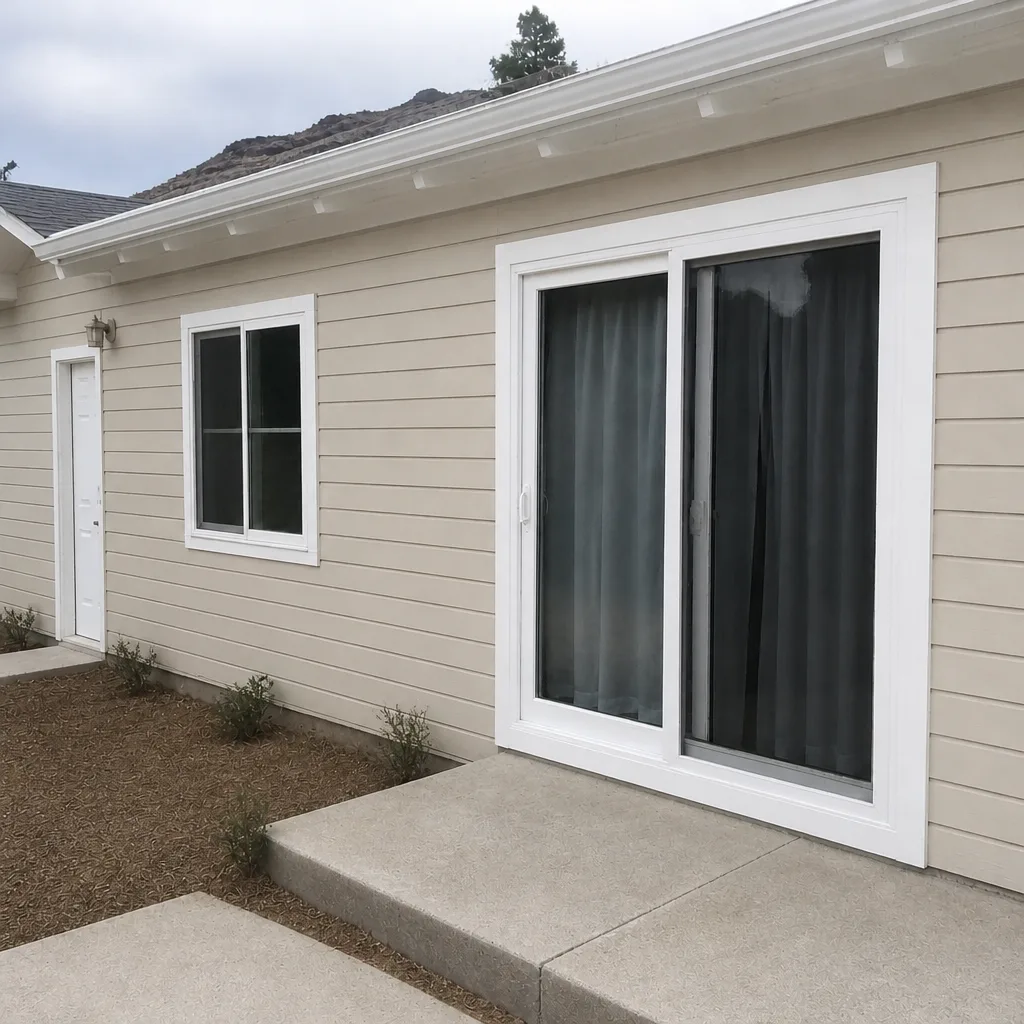
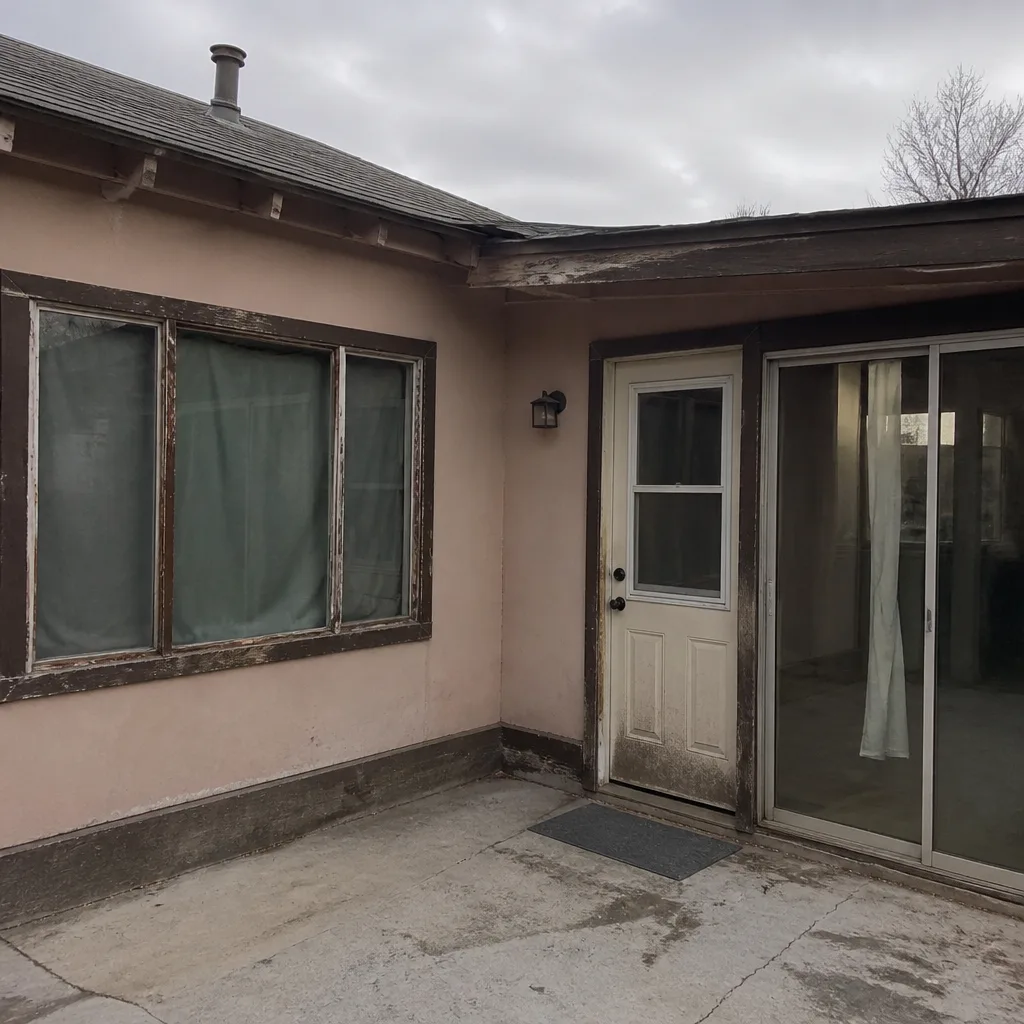
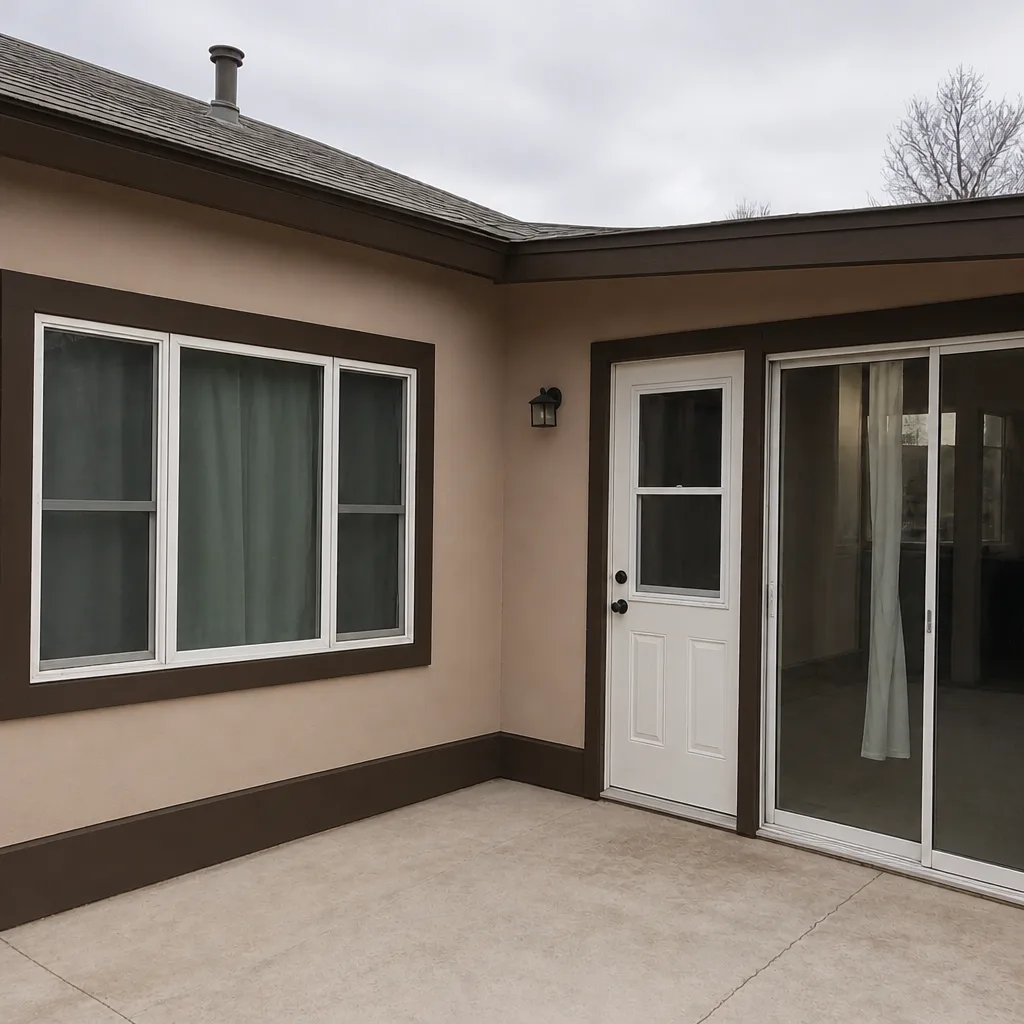
See the difference
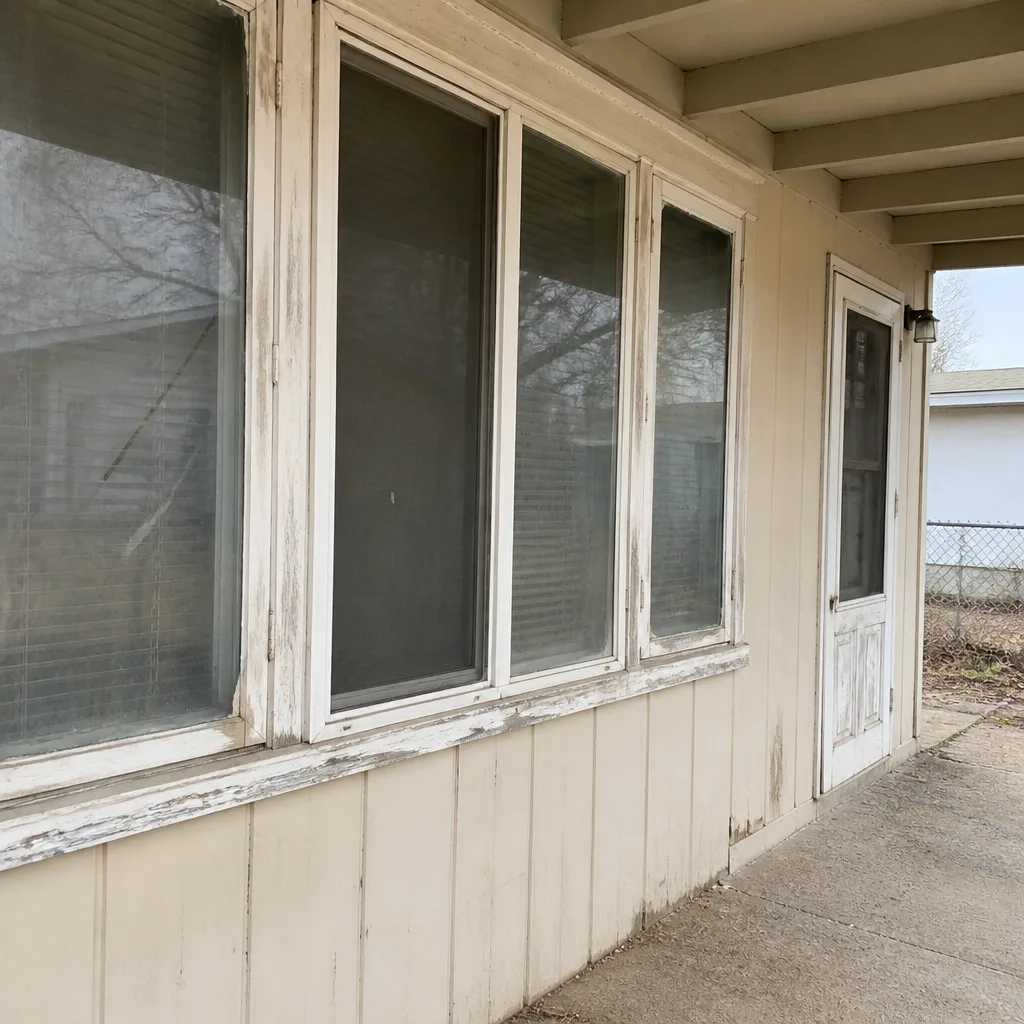 Before
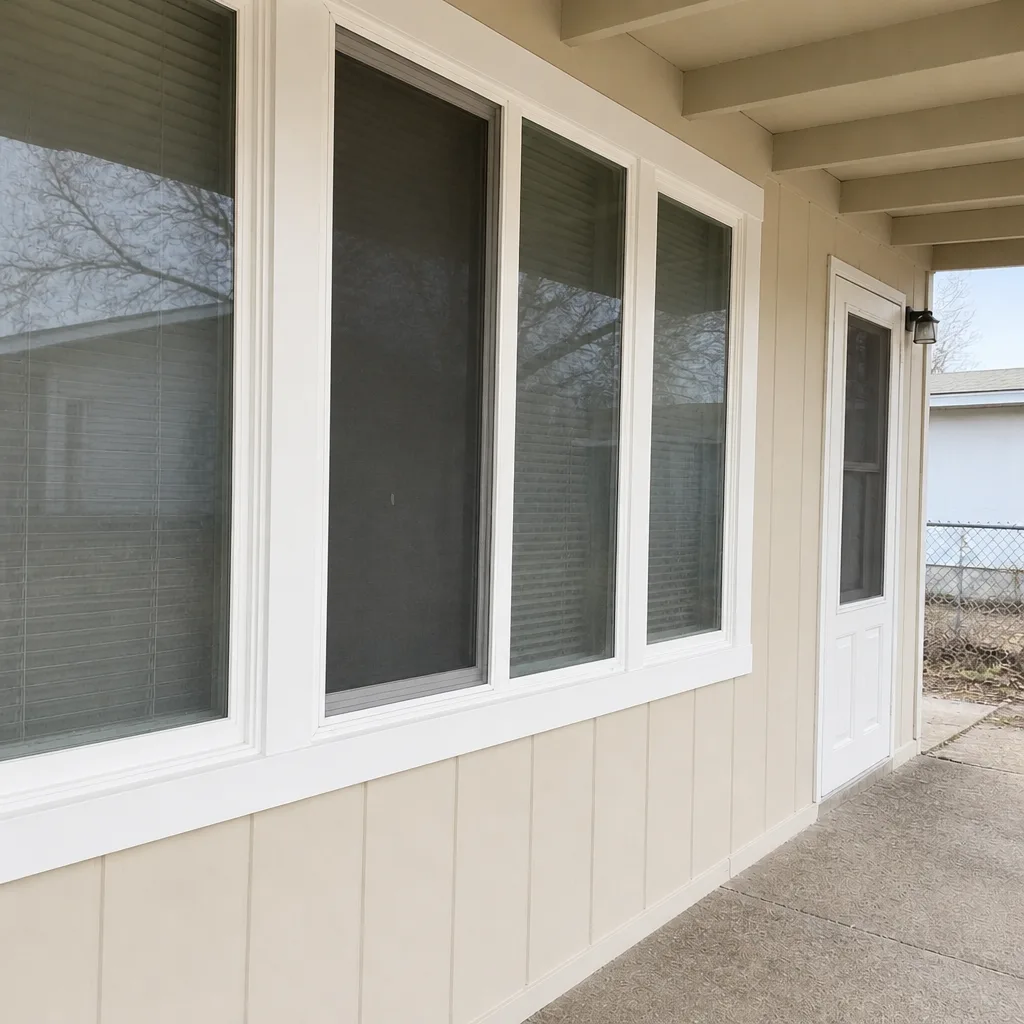 After
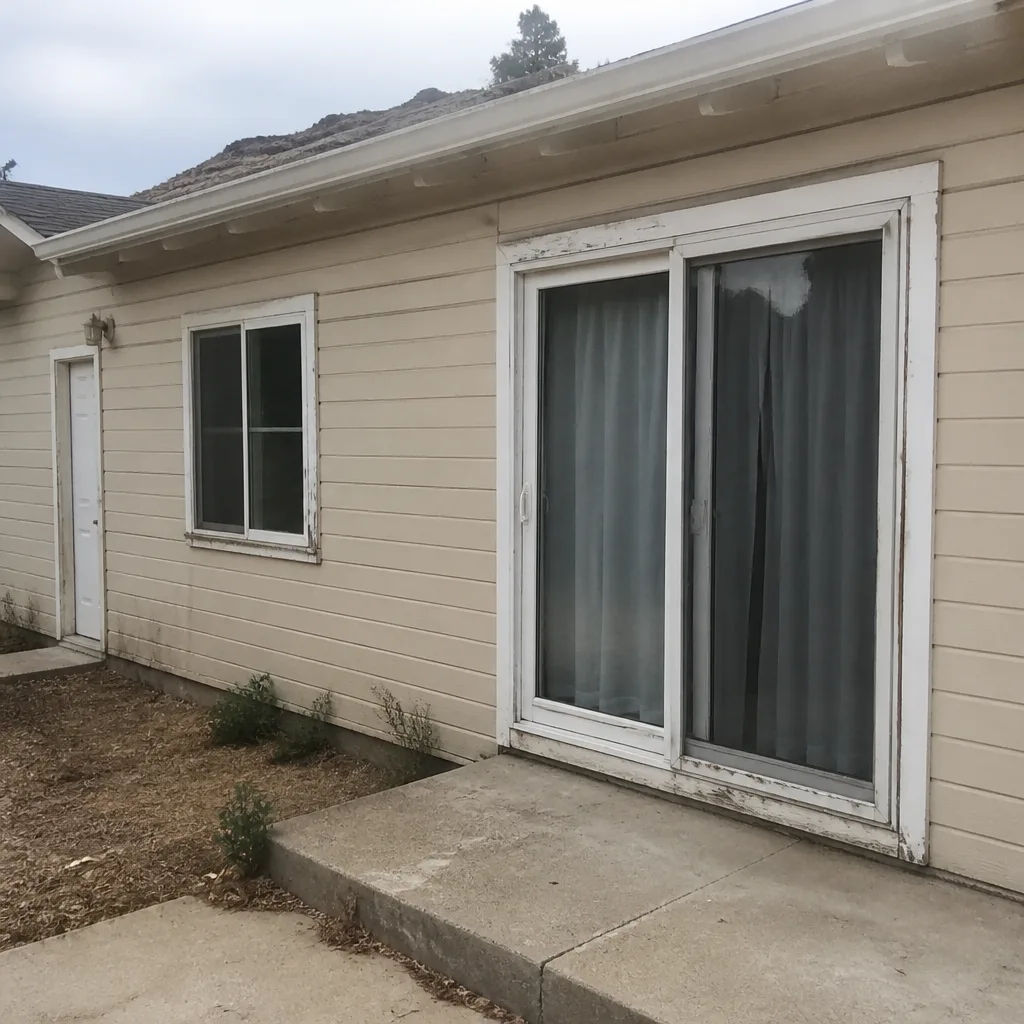 Before
 After
 Before
 After
When to Call a Professional
Call a professional if your project touches the envelope in stucco, if it uses an impact-rated product, if the rough opening changes, if the HOA requires a licensed installer, or if the product line’s warranty conditions coverage on certification. The same is true if the permit inspection is one you do not want to own, or if the door you are replacing is structural. In our experience, those conditions cover the large majority of replacements in Enterprise. If your project is a same-opening swap of a low-tier unit with no HOA and no permit, the DIY math may genuinely favor you, and we will tell you so. Enterprise Windows & Doors offers free estimates in Enterprise. Call (877) 558-4821. We answer 24/7. Fast dispatch from 7am to 7pm, Sunday through Friday.
Frequently Asked Questions
In many brand-name lines, yes, at least partially. PGT, CGI, Therma-Tru and similar brands often condition their product warranty on installation by a certified or approved installer, so a DIY install can leave you paying for glass and seal repairs yourself. Read the warranty terms for the exact product you are considering, and call (877) 558-4821 for a free estimate if you want to weigh the coverage you would keep.
Nevada allows homeowners to pull permits for work on their primary residence, with some exceptions. Pulling the permit also means you own any correction and re-inspection costs, which can exceed the labor you saved. Confirm the specific requirements with your city’s building department, and call (877) 558-4821 to compare with a professional estimate.
Yes, in three specific cases: a direct-set replacement in the same rough opening, a non-HOA property with a builder-grade product, and interior or non-structural door swaps. Those jobs avoid the warranty, permit and stucco complications that make DIY risky. For anything else, call (877) 558-4821 for a free estimate before you decide.
Stucco requires the weather barrier and flashing to integrate in a specific way, and the finish has to be patched to match once the work is done. In many Enterprise homes, stucco integration is the single most demanding detail of a window replacement, and a tutorial built around wood siding will not cover it. Call (877) 558-4821 to get the integration plan into your written estimate.
Certified installer status is a manufacturer program with requirements ranging from training and audits to a dealer agreement. Impact-rated lines like PGT and CGI tend to require stricter installation, while energy-efficient lines like ECO Window Systems focus on flashing and sealing. Ask specifically which certification applies to your product, or call (877) 558-4821 for a brand-by-brand comparison.
Manufacturer coverage often does transfer to a subsequent owner when the installation is documented and covered, which is part of what you are buying with a brand-name product. A self-installed unit without paperwork is a question mark at resale and can invite a price negotiation. For a written estimate and documentation, call (877) 558-4821.
The Bottom Line
The DIY-versus-professional decision for windows and doors comes down to financial logic, not skill. In Enterprise, the labor you save on a DIY install is usually the smallest number in the calculation; the warranty coverage, permit inspection and stucco integration are where the real money sits. The three DIY-friendly cases are a direct-set replacement in the same opening, a non-HOA property with a low-tier product, and non-structural door swaps. Every other scenario tilts toward a licensed professional. Enterprise Windows & Doors carries eight brands so the product can match the project, and our technicians have up to 11 years of experience. Visit Enterprise Windows & Doors or call (877) 558-4821 for a free estimate. Serving Enterprise, Nevada and the surrounding area.
Written by the team at Enterprise Windows & Doors.